Is influencer marketing quietly changing again right before our eyes? What worked yesterday already feels either outdated or overdone. As creators and their followers evolve together, influencer marketing trends in 2026 are moving towards deeper trust, depth and long-term value. This goes for brands as well. They no longer look for vanity metrics like total number of followers, views or shares.
The rise of 2026 influencer marketing trends shows a clear move towards authenticity, smarter data and meaningful partnerships. The following blog explores 7 key shifts that are shaping how creators collaborate, brands invest and people engage. If your aim is to stay relevant and future-ready, these trends deserve your attention now. Read ahead to know what will define the upcoming era.
Rise of nano and micro influencers
Large-scale viewership means no longer a guarantee of stronger influence in 2026. Both micro and nano influencers are gaining attention for their tight-knit and highly engaged communities. Their recommendations feel personal, trustworthy and conversational rather than promotional.
These creators often have a deep level of bond with their followers. This is what makes a brand mention feel like a genuine suggestion to them. Their engagement rates tend to be higher this way, even with smaller reach.
Brands are also realizing that budding creators offer flexibility to them. They adapt faster, understand niche-based audience better and communicate more honestly. Their campaigns feel less scripted and more human this way.
Another key advantage lies in their cost efficiency. Brands can collaborate with multiple micro creators instead of one large influencer and spread visibility across diverse audience groups naturally.
In 2026, influence will be measured by connection instead of numbers. Nano and micro influencers prove that trust always performs better than scale.
AI-driven creator discovery and campaign insights
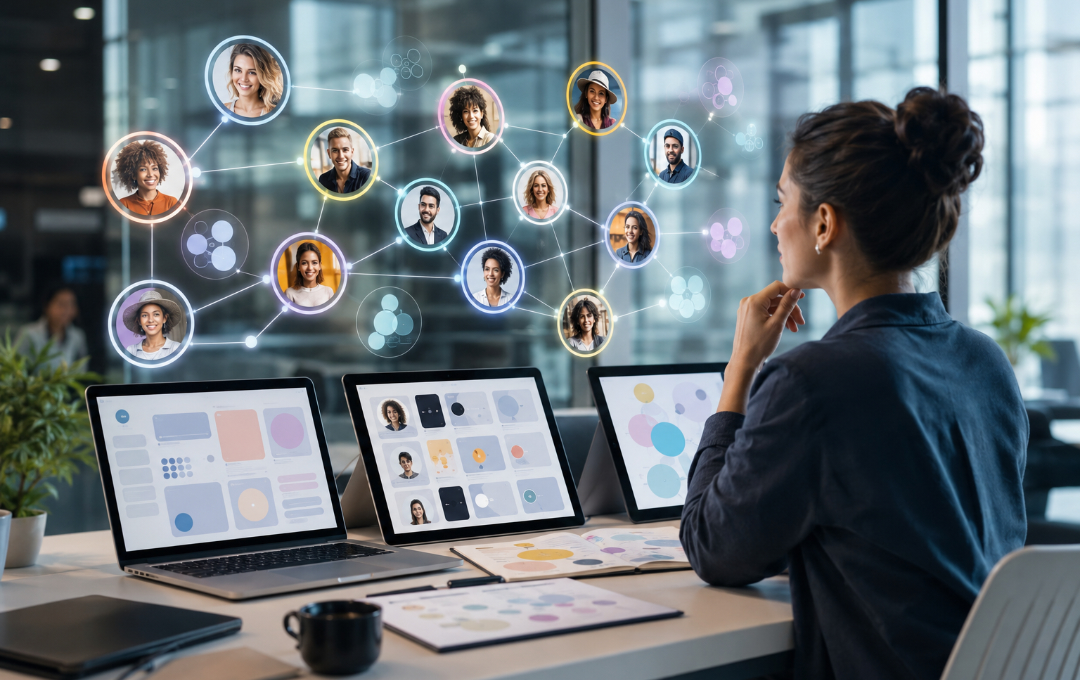
AI is changing how brands make their influencer marketing decisions. In 2026, brands are going to rely less on guesswork and more on intelligent data. AI-powered tools are helpful in identifying creators whose audience behaviour aligns well with brand goals. Beyond demographics, AI also analyses sentiment, engagement quality and content patterns.
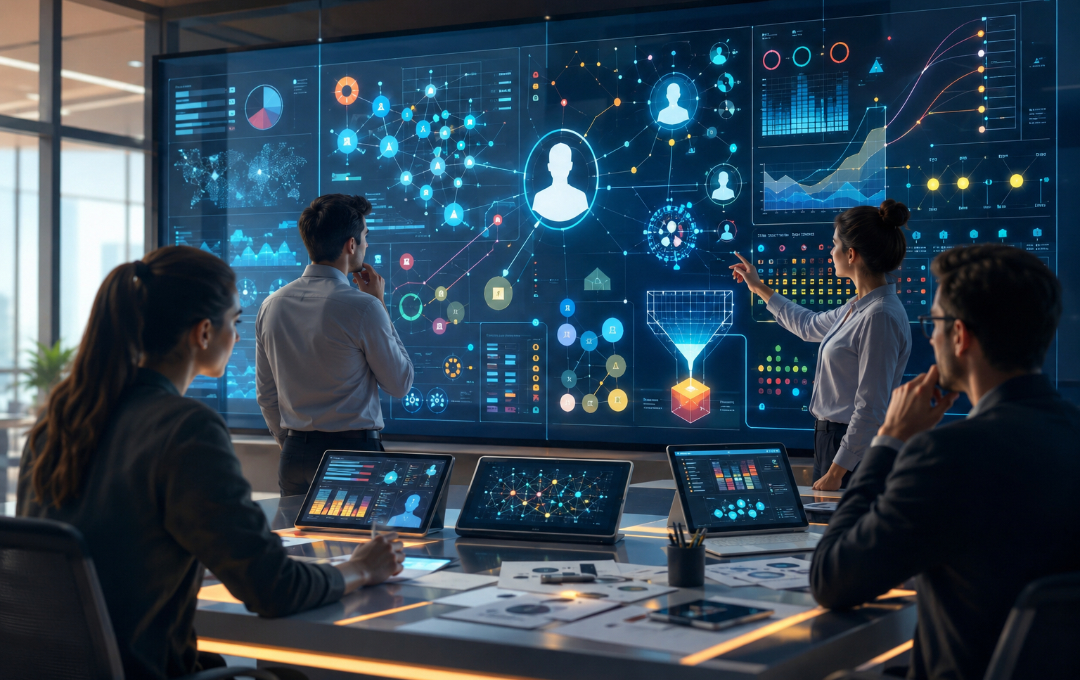
Campaign insights are also becoming more predictive because of AI. Brands can now forecast performance, optimize timelines and refine messaging in real time. This shift reduces any kind of risk and improves the results gained across global influencer marketing efforts.
Overall, AI does not replace creativity but supports smarter collaborations. The result it gives is better matching, improved ROI and highly strategic influencer partnerships altogether.
Authentic and low-production content
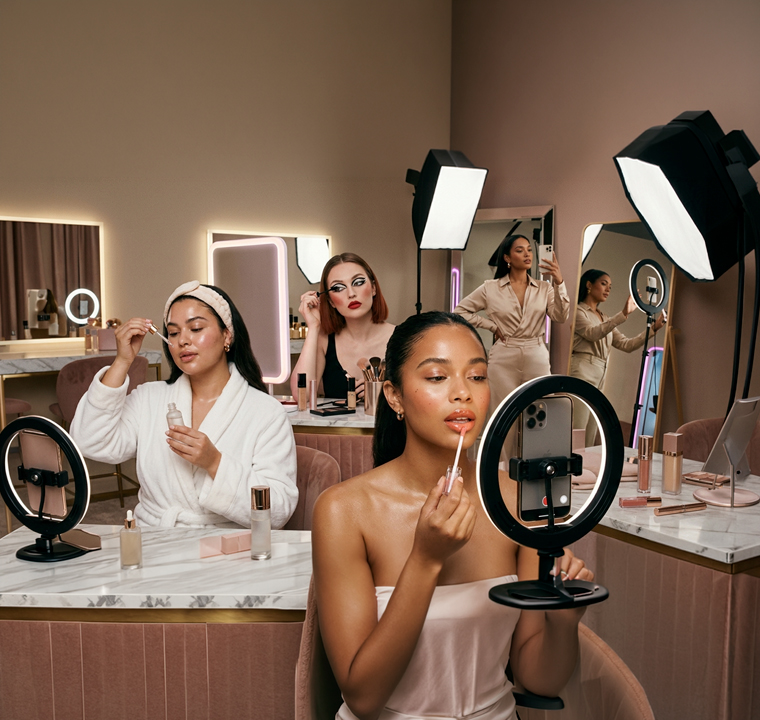
Highly polished content is slowly losing its charm. People now prefer raw, honest and relatable creator content. Low production videos feel spontaneous and real. They mirror everyday life instead of staged perfection. This leads to creators maintaining trust and emotional relatability among their followers.
Brands benefit highly when creators speak naturally without any heavy scripting. The message feels personal and believable. This reflects a larger shift in all trends in influencer marketing. Authenticity now matters more than visuals or edits. In 2026, imperfect content will outperform perfect campaigns.
Creator-led communities over one-off campaigns
One-time campaigns no longer build lasting impact. In 2026, creators are focusing on building long-term communities instead. These communities grow around shared interests, values and conversations. Brands that enter these spaces respectfully gain a deeper level of trust. Instead of selling, they simply participate.
Creator-led communities encourage interactions beyond likes and views. Followers engage through comments, discussions and repeated touchpoints. This strengthens their overall emotional connection.
Brands benefit highly from sustained visibility. Community-driven campaigns keep brand messages relevant over time. Creators also gain creative freedom. They integrate brands naturally into ongoing narratives instead of forced placements.
This shift transforms influencer marketing into relationship marketing. When brands invest in communities, they gain loyalty, advocacy and long-term relevance.

Performance based influencer partnerships
Accountability is becoming more and more essential in influencer collaborations. In 2026, brands are seeking measurable results and outcomes. Performance-based partnerships focus on conversions, clicks, sign-ups or sales. Creators are rewarded for their real and genuine impact.
This entire model builds fairness on both the sides. Brands see clear ROI whereas creators feel valued for their results. It also encourages strategic content creation further. Creators become more invested in campaign success. They understand products better and communicate value clearly.
Brands benefit significantly from transparency and improved decision-making. Their campaigns become optimized, data-driven and scalable. As performance-based models push influencer marketing towards maturity, they align creativity with business goals while maintaining authenticity.
Long-term creator-brand collaborations
Short-term partnerships are giving way to long-term relationships. Brands now seek creators who align deeply with their values. Speaking of long-term collaborations, they allow stories to unfold naturally. People see repeated and consistent brand mentions over time. This builds familiarity and trust altogether.
More than that, creators also benefit from stability and creative growth. They understand the brand better and integrate it seamlessly into content. These partnerships reduce campaign fatigue. Messaging feels organic instead of repetitive or forced.
Relationships deepen when creators move from ambassadors to co-creators or partners. In 2026, consistency will outperform frequency. Long-term collaborations will define sustainable influencer marketing success.
Influencers shaping brands
Influencers are no longer just promoters. They are actively shaping brand narratives and identities. Creators bring audience insights, cultural relevance and creative direction. Brands now actively listen to creator feedback during product launches and campaigns. This collaboration results in more relevant messaging. Products feel aligned with real consumer needs.
Influencers also help brands stay culturally relevant. They understand trends, language and audience sentiment deeply. This evolution reflects the future of influencer marketing trends in 2026. Creators move from execution to strategy. When influencers shape brands, marketing feels more human, adaptive and impactful.
Conclusion
Influencer marketing in 2026 is going to be more thoughtful than ever. It has already started to prioritize trust, community and meaningful collaborations. From nano creators to AI insights, every trend points towards depth. Brands are choosing relationships over reach and authenticity over perfection. Influencer marketing platforms like Adintors are enabling this shift by helping brands and creators build transparent and value-driven collaborations.
Creators are no longer going to be just content producers. They are going to be partners, storytellers and brand builders. These shifts will redefine how influence works in a digital-first world. Brands that adapt early will stand out longer. The future of influencer marketing belongs to those who build connections instead of just campaigns.