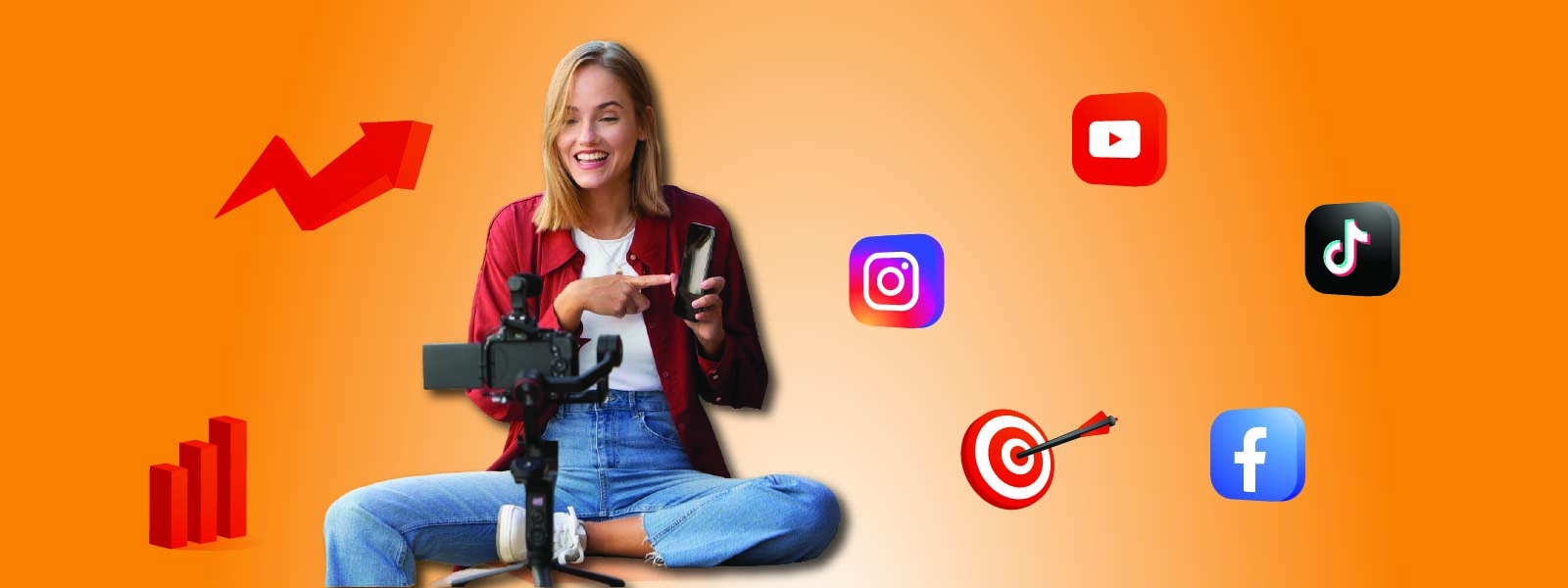
One of the most powerful ways of connecting with people naturally is influencer partnerships. However, the twist is presence of several social media platforms today. People don’t stick to one platform or application anymore. In fact, a lot of them consistently download newly launched apps to escape boredom. One moment there’s a quick scroll on Instagram and the next you’re on YouTube watching movie trailers. Therefore, brands today need a strategy that extends across platforms. This is where multi-platform marketing and cross platform marketing come into play.
Today, it is important to create campaigns based on multiple platforms’ strengths to maximise impact, engagement and reach. Additionally, a unified brand tone, style and voice is required. Therefore, we bring you the following blog to guide you on how to make cross-platform influencer marketing work effectively.
Set clear goals and align platforms
Before considering influencer marketing, it is important to be clear about goals and objectives. Clarify if your goal is to raise awareness or leads. Are you aiming for sales increase or high visibility? Different objectives go with different platforms. Here’s how:
- 1. Instagram: If your goal is to raise brand awareness, this is the perfect platform. Collaborate with micro influencers who create visually stunning content. For example, a travel influencer showcasing different destinations through reels.
- 2. YouTube: If your goal is to educate people about your products, choose this platform. With its feature of uploading long-form content, you can share detailed product educational videos. Partner with YouTubers who can communicate in-depth product information skillfully.
- 3. LinkedIn: If you want a suitable platform for B2B storytelling, this is it! Perfect for career-focused content, LinkedIn is a professional platform where business owners, entrepreneurs and leads share industry insights. For B2B storytelling, you can simply share infographics, articles, and creative posts.
- 4. Facebook: If you want to build a community and strike conversations, Facebook is the best platform. You can use Facebook “Groups” feature to build niche-based communities and host live sessions.
It is important to note that you don’t upload the same post everywhere. In cross-platform marketing, repurposing content is necessary. Adapt to different platform’s tone and style.
Select the right influencer
Selecting the right influencer is all about finding the right fit for your brand. Often, people confuse the process with analysing the number of followers counts than beliefs or values of an influencer. In multi-platform marketing, one creator may thrive on Instagram while another thrives on LinkedIn. The following points are a breakdown of what to consider while selecting an influencer:
- 1. Alignment of audience: Analyse demographics and interests of chosen influencer’s followers. Do they align well with your brand’s target audience’s demographics and interests? Audience alignment helps in creating a sync of who the product is made for and where to buy the product from.
- 2. Quality of content: Find an influencer who posts content that resonates with your target audience. For example, a professional and trained individual will be good for LinkedIn whereas a fun cheerful individual will be good for Instagram.
- 3. Engagement rates: Often, brands pick influencers based on their number of followers expecting good amount of engagement rates. However, not all of them serve the same expectations. Passive followers can lower the engagement rates and therefore, it is important to prioritize checking engagement rates than follower counts first.
- 4. Type of influencer: Nano influencers have highly loyal and responsive communities. In case you are looking for quality engagement, choose nano influencers. On contrary, if you aim for wider reach and visibility, select macro influencers.
| Influencer Type | Follower Count | Benefits |
|---|---|---|
| Nano Influencer | Up to 10K followers | High Engagement Rates |
| Micro Influencer | 10K to 100K followers | Targeted Reach |
| Macro Influencer | 100K to 1M followers | Broad Visibility |
| Mega Influencer | 1M+ followers | Brand Exposure |
Selecting the right influencer helps in conducting authentic and powerful campaigns across platforms. A major reason behind the success of cross-platform influencer marketing lies the authenticity of influencer and alignment of audience. Therefore, choose well.
Aim for authentic collaborations
Authentic collaborations engage people naturally. They don’t feel like those collaborations are ads but real stories and events. Therefore, work on the following factors to create authentic collaborations:
- 1. Give creative freedom to influencers: Every influencer has their own style or tone. Collaborating while allowing the influencer to be themselves creates a natural flow in the content. It helps in keeping the collaboration authentic.
- 2. Form long-term relationships: Short-term campaigns bring visibility but long-term campaigns build trust. Think about Nike’s ongoing collaborations with athletes who embody their brand ethos. Form long-term relationships similarly.
- 3. Work on exclusive content: Influencers can create a buzz or hype around a brand or product by sharing behind-the-scenes clips and previews. Provide them the allowance to create exclusive content.
Consumers are sharp today. They instantly spot an ad or commercial. By following the above stated suggestions, you can create authentic collaborations.
Leverage multi-platform synergy
Making multiple platforms work together is exciting. Do cross promotion strategically. Create a teaser content for YouTube and story content for Instagram. Share Facebook highlights on Twitter and LinkedIn reach success on Instagram. Keep the followers engaged and curious for more.
Measure and optimize performance
Measure campaign impact with the help of metrics like number of conversions, amount of website traffic and revenue growth percentage. Use tools like Instagram Insights and YouTube Analytics. Influencer marketing thrives when data meets creativity. By measuring results and optimizing strategies, you’ll keep campaigns fresh, relevant, and impactful in a fast-changing digital world.
Conclusion
Multi-platform influencer marketing is all about managing content creation well. Setting clear goals, aligning platforms, finding the right influencers and aligning audience together forms the core of the process. Authentic collaborations with complete creative freedom to influencers matter in building trust and credibility with the audience. Leverage multi-platform synergy by cross promoting strategically.
Lastly, measure and optimise campaign performance through metrics like conversions, website traffic and revenue growth. Remember, influencer marketing is based on trust and storytelling skills. When you use multiple platforms to reach people, have strategies that build trust while engaging and inspiring them to make a purchase.