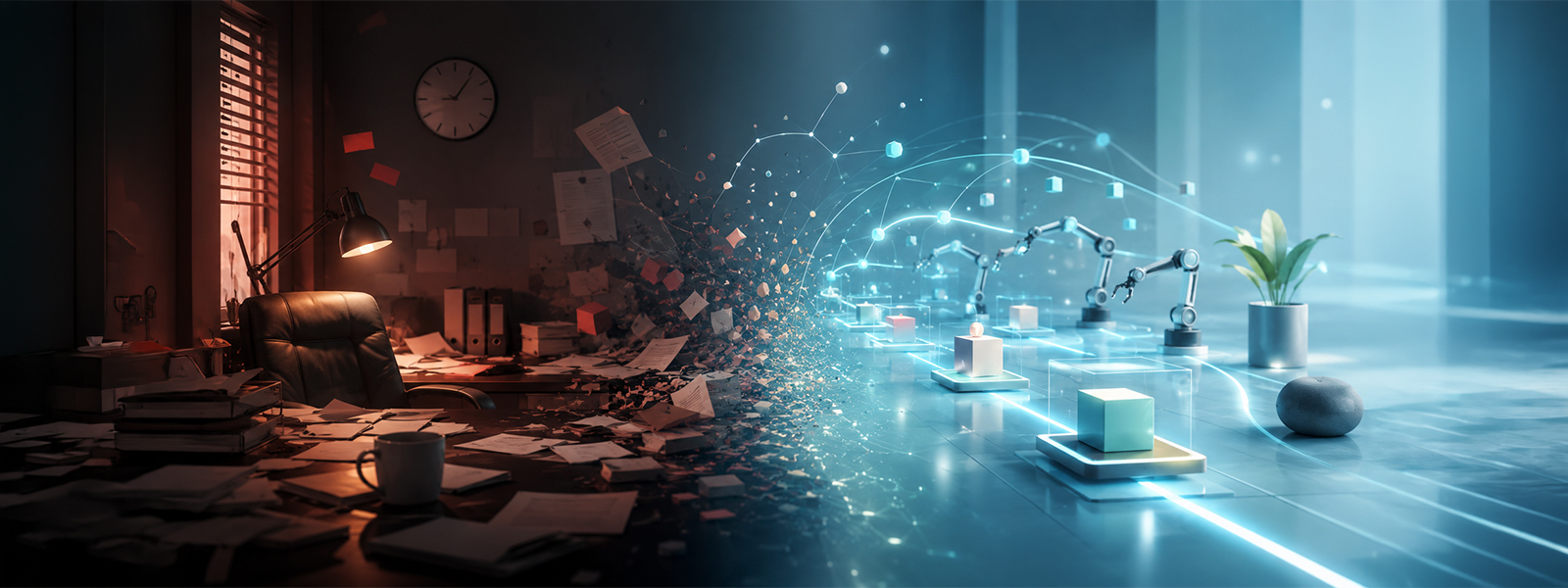
Busy days are a part of modern work. However, feeling overwhelmed constantly can drain your energy and motivation. Many professionals spend hours switching between emails, updating information, scheduling meetings, organising files, writing reports and repeating the same tasks every day.
Similarly, creators often juggle with content planning, scripting, filming, editing, designing, tracking performance and the list goes on. While every task is important, handling everything manually every day can become exhausting and time-consuming. Over time, these repetitive responsibilities can leave very little room for creative thinking, planning or meaningful work. This often results in increased burnout, especially when workloads continue to grow without better systems in place.
Fortunately, technology is making work more manageable. Instead of spending hours on repetitive activities, people can now use smart tools to simplify everyday processes. The conversation around burnout and AI is becoming increasingly relevant because automation creates opportunities to work more efficiently while maintaining productivity and balance.
Root cause of burnout
Burnout rarely appears overnight. It often develops through repeated pressure, constant multitasking and endless routine work. Many daily tasks demand attention throughout the day. While some tasks may seem small, their combined efforts can become mentally exhausting with time.
Some of the most common causes of burnout include:
- Repetitive manual tasks: Doing the same activities every day consumes time and mental energy.
- Continuous switch of context: Moving between emails, meetings, messages and projects reduces focus.
- Limited time for meaningful work: Administrative tasks often replace creative thinking and strategic planning.
- Growing workloads: As responsibilities increase, maintaining balance becomes more challenging.
Many people are now exploring how burnout and AI can work together to create healthier workflows. Instead of trying to do everything manually, modern solutions allow routine work to be completed more efficiently.
Repetitive work adds up

Little tasks often occupy more time than expected. Replying to messages, updating documents, scheduling appointments, organising information and tracking progress may seem simple, but repeating them every day gradually adds pressure.
As these activities continue to grow, they reduce the time available for creative work and thoughtful decision-making.
This is where AI automation begins to create value. Rather than spending hours completing repetitive activities, professionals can rely on technology to manage routine processes more efficiently.
An automated routine creates more space for planning, innovation and meaningful work without increasing workload.
How AI automation helps
Automation is changing the way people manage their daily responsibilities.
Instead of replacing creativity, AI-powered automation handles repetitive work, allowing people to focus on higher-value activities.
Some practical ways AI supports everyday work include:
- Automating repetitive tasks: Routine activities such as scheduling, reminders and document organization become faster and more efficient.
- Improving workflow management: Modern AI systems organise information, prioritize tasks and simplify daily operations.
- Supporting content creation: Many professionals use AI and productivity tools to generate ideas, draft content and improve efficiency.
- Saving valuable time: Automation reduces manual effort, making it easier to focus on creativity and strategic thinking.
Many organisations also use AI projects to improve internal processes and simplify complex workflows. As automation becomes more accessible, AI reduces burnout by removing unnecessary manual work from daily routines.
Create more, stress less

When repetitive work requires less attention, creativity naturally receives more space.
Instead of spending hours managing routine activities, professionals can focus on developing ideas, solving problems, and producing meaningful work.
AI-powered automation creates opportunities to work with greater clarity and confidence. It supports productivity without requiring people to constantly extend their working hours.
Many individuals now combine AI and productivity tools with better planning to create balanced and sustainable workdays. This approach allows creativity to flourish while reducing unnecessary pressure.
Work better every day
Productivity is not always about doing more. It is often about doing the right work more efficiently.
Smart workflows encourage better organization and consistent progress. Modern AI systems simplify everyday responsibilities and reduce unnecessary interruptions throughout the day.
As routine work becomes easier to manage, people gain more time for collaboration, learning, and innovation.
This is one reason AI reduces burnout while supporting healthier and more productive work habits. Small improvements made every day often create meaningful long-term results.
Balance beats burnout

Sustainable productivity depends on balance rather than constant activity.
Working smarter creates more opportunities to maintain creativity, energy, and focus over time. Instead of managing every small task manually, AI automation allows professionals to concentrate on work that truly matters.
Better workflows also improve time management and reduce unnecessary pressure throughout the day.
Finding the right balance between technology and human creativity leads to better outcomes. Automation manages routine responsibilities while people continue making thoughtful decisions and building meaningful ideas.
Conclusion
Burnout is often linked to repetitive work rather than meaningful work itself. As responsibilities continue to grow, smarter systems become increasingly valuable.
Modern automation allows people to spend less time on routine tasks and more time on creativity, planning, and innovation. Rather than replacing human abilities, technology strengthens them by making every day work more manageable.
The future of productivity is not about working longer hours. It is about working with better systems. By combining thoughtful planning with intelligent automation, individuals and teams can build healthier workflows, reduce unnecessary pressure, and create sustainable success for the long term.