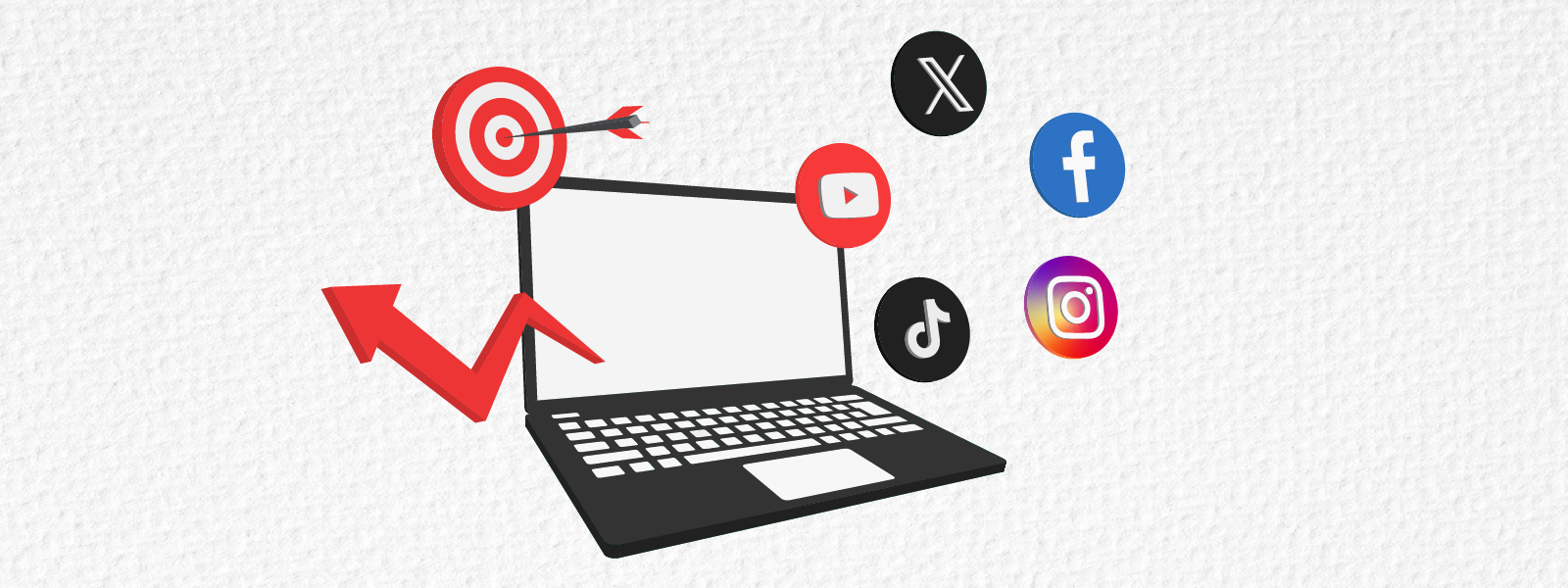
With over hundreds of social media platforms available today, selecting the right one for your brand can be a daunting task. Every platform comes with its own unique features, audience type, content style and benefits. What works on YouTube, may not work on Instagram. Similarly, what works on Facebook may not work on LinkedIn. Therefore, it is important to clarify which platform serves the best for your brand. By carefully identifying your target audience, clarifying your marketing goals and understanding the strengths of every platform, you can create impactful strategies to market your brand effectively. Let us learn how to choose the right platforms wisely.
Identifying your target audience
Before scrolling through platforms, it is important to identify your target audience. You must know who you’re speaking to. Success on social media platforms comes with the right recognition of the target audience.
- 1. Demographics of your audience: Consider statistical data related to your target audience. Define their age, gender, profession, income level, location, lifestyle and more. You may find younger audiences on Instagram or Snapchat while older audiences on LinkedIn or Facebook.
- 2. Interests of your audience: Research about your target audience’s interests and preferences. What are their hobbies? What are they passionate about? Clarify their likes and dislikes. For example, a person with great interest in photography may like Pinterest more compared to other platforms.
- 3. Online behavior of your audience: Process where your target audience spends most of their time. People interested in visuals may spend most of their time on Instagram whereas people looking for long-form content videos may switch to YouTube the most.
- 4. Preferred content type of your audience: What type of content do they like? Do they prefer videos more? Or are they interested in images and articles? Find this information and match your content type with the platform.
When you are clear about your target audience, you avoid spreading your brand too thin and focus on platforms that deliver meaningful connections.
Defining your marketing goals
Consider what your brand is trying to achieve through marketing. Your marketing goals will help you jot down the most suitable platforms for you.
- 1. Brand awareness: Are you looking to increase your brand visibility? Do you aim for wider reach? Consider Facebook, YouTube or Instagram for improved brand awareness.
- 2. Engagement: Do you want better interaction rates? Think of utilizing features like Instagram stories, YouTube challenges or Twitter threads to encourage active participation.
- 3. Lead generation: If you are aiming for B2B and B2C lead generation, consider LinkedIn or Facebook. Features like targeted ads on these platforms will help you boost your leads.
- 4. Sales conversion: If you want to boost sales, consider Instagram, Pinterest or Facebook. Many brands use “Instagram Shopping” and “Facebook Shops” features to boost their sales.
- 5. Thought leadership: If you want to establish your brand’s expertise, professionalism or authority in professional circles, consider LinkedIn.
Understanding platform strengths and content types
Every platform comes with its own unique features and benefits. There are different types of people, content and formats available on every platform. It is important to understand every platform’s strength and content types to conduct successful brand marketing campaigns.
- 1. Facebook
Facebook is a platform focused on connecting with friends, family and communities through personal profiles, posts, photos and videos. Therefore, it can best suit for broader demographic reach. Goals like building a community, promoting an event and advertising based on specific groups can be achieved through it. Share a mix of videos, pictures, articles and updates for maximum results.
- 2. Instagram
Instagram is a platform focused on visuals where users share short-form video content with pictures to engage. It is the most ideal for lifestyle, fashion, food and beauty brands. You can post a mix of reels and stories to drive high engagement here.
3. YouTube
YouTube is a platform most-suited for video production and engagement. Posting long-form videos, quality tutorials, demos of your products and storytelling-based content will work best here.
4. LinkedIn
LinkedIn is a professional networking site useful for B2B marketing, employer branding and leadership. It is ideal for posting articles, sharing industry insights and professional content. Additionally, it is helpful in building professional networks.
5. Pinterest
Pinterest is a discovery-based visual-focused platform useful for inspiration or ideas driven content like recipes, travel, lifestyle, home décor, fashion and so on. It is powerful in driving traffic to websites.
6. Twitter/X
Twitter/X is a platform focused on microblogging, social networking and posting real-time conversations. It is best for sharing news, trends and updates. Brands looking to increase customer engagement can select this platform.
You can maximize brand impact by creating content based on platform strengths. Instead of recreating one post everywhere, adapt the format to fit the platform.
Analyzing competition and industry trends
Analyzing your competition can provide important insights while choosing a platform to market your brand. Research your competitors’ activities. Where are they most active and which platforms are helping them gain maximum engagement? Analyze their content performance. Observe what kind of content posted by them gets the maximum interaction. Look for whether they are video-form content, infographics or stories.
Surf through industry insights regularly. Staying updated with industry trends helps in staying ahead of the competition. Look for the latest features of the platforms you select. For example, Instagram “reels” feature was launched much later than the launch of the platform. Utilizing it early brought quality engagement to the profiles.
Conclusion
Choosing the right social media platform for brand marketing is about thoughtful actions, not guesswork. Researching, planning and strategizing matters. Identify your target audience, list down your marketing goals and understand platform strengths based on them. It is not important to be everywhere but rather be present on the most valuable platform. Master the platform you select and upscale gradually. Lastly, stay updated with industry trends and competitors’ strategies. Avoid trial and errors and conduct quality campaigns.