The COVID-19 pandemic period introduced several emerging technologies that made a huge impact on the digital marketing landscape in the 2020s. Businesses adapted to a digitally driven environment using AI, augmented reality, blockchain and IoT (Internet of Things) to counter offline operations. Gradually, subscription models, social commerce and interactive online experiences increased while transforming the way digital landscape used to function earlier. Therefore, it is important for today’s marketers’ and business owners’ to be aware of these recent trends to create effective marketing strategies.
Impact of the latest technology in digital marketing
The newest technologies in digital marketing are focused on changing the way companies connect with people. They make it possible to personalize marketing using AI and machine learning. These tools also help in automation of tasks which makes it easier for marketers do more work in less time. With big data and advanced analytics, they can make smarter decisions about how to reach potential customers and convert them. To sum up, these technologies are making marketing more effective and efficient. They are helping businesses grow and connect with their customers in better ways.
Speaking of latest technologies in digital marketing, let us understand some key examples of it below.
1. Artificial Intelligence (AI) and Machine Learning
AI and machine learning are transforming digital marketing by enabling more personalized and effective marketing strategies. Customization: Sources like browsing history, search history, purchase history and more helps AI examine data to understand the preferences along with behaviour of a user. This allows it to recommend content or products based on those examinations. Chatbots: AI-driven chatbots have become an important customer support and service tool. With the ability to manage multiple client issues and requests, these bots are also curated to respond immediately with an availability of 24/7. Predictive Analytics: Algorithms with the machine learning feature can predict future trends and behaviour of users easily. This is due to the ability to analyse historical data on a consistent basis. With the use of these significant tools, marketers get to plan more technically and strategically. 2. Voice Search Optimization
Voice search optimization is a powerful tool today for marketers due to the rise of voice-activated assistants. Voice SEO: Queries based on voice searches are typically longer than text searches. Marketers today should focus on native language processing by using long-tail keywords. Optimizing for featured snippets (which voice assistants often read out) is also crucial. Local SEO: Many voice searches are local. For example, searches based on nearby regions or specifically, “near me” searches. Using local keywords and providing clear answers to common questions like these increases ranking. 3. Augmented Reality (AR) and Virtual Reality (VR)
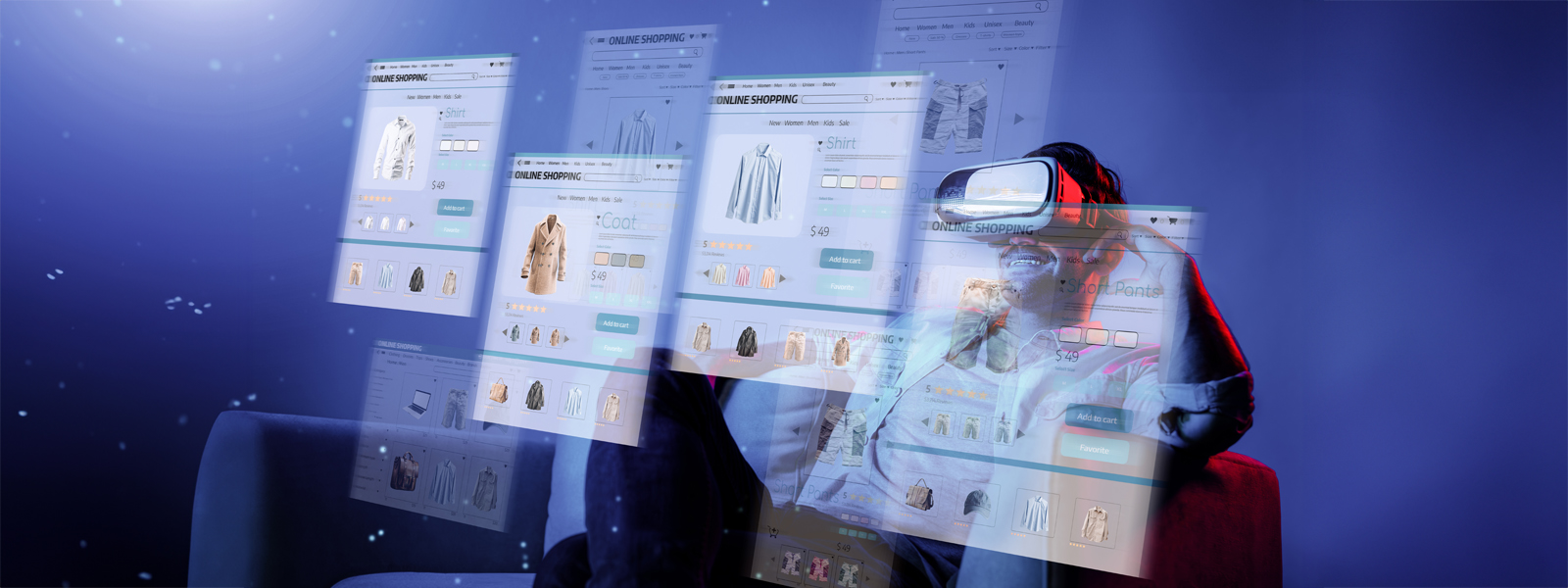
AR and VR have started developing complete experiences that allow brands to interact with customers in newer and attractive ways. Product Visualization: AR helps in visualizing products digitally which helps in clarifying an idea effectively. With the creation of digital images, businesses can get a clear idea of how a thought or idea will look in reality. This reduces uncertainties and less looked upon factors. Virtual Try-Ons: Especially popular in the fashion and beauty industries, VR and AR technologies allow users to virtually try on clothes, accessories or makeup. This interactive experience can lead to higher customer satisfaction and lower return rates for a business. 4. Blockchain Technology
Blockchain's decentralized structure improves transparency and security in digital marketing. Ad Fraud Prevention: Blockchain technology can verify clicks and views to reduce ad fraud which assures that marketers only pay for real interactions. Consumer Privacy: Another key benefit of blockchain technology is its feature of providing users control over their data. This makes them decide better about which data to share with the marketers and which to retain. 5. 5G Technology
The introduction of 5G networks has the potential to improve digital marketing drastically by delivering faster and more reliable internet connections. Enhanced Mobile Experiences: 5G technology provides faster speeds of data which leads to more engaging mobile experiences. This includes high-quality video streaming, augmented and virtual reality apps and real-time interactive content. 6. Social Commerce
E-commerce combined with social media is called social commerce. It allows people to shop directly from social media channels or platforms. This can attract huge number of people as the process will feel hassle-free and more convenient. Shoppable posts: Platforms like Instagram, Facebook and Pinterest have introduced features that allow users to purchase products directly from the posts. This reduces the steps present in the purchase process and makes it more convenient for the users to buy. Influencer Marketing: Social commerce enhances influencer marketing by making it easier for followers to purchase recommended products. This integration can lead to higher conversion rates. 7. Privacy and Data Security Technologies
With growing concerns over data privacy, new technologies are emerging to ensure data protection and compliance. GDPR Compliance Tools: Businesses need to have tools that help them follow data protection rules like the General Data Protection Regulation (GDPR). These tools make it easier for businesses to handle things like getting permission from users to use their data. Secure Data Transfer: Technologies that ensure secure data transfer and storage are becoming more important to protect consumer data. This includes encryption, secure data centres, and secure communication protocols. The potential of the new technologies in digital marketing
The digital marketing industry is undergoing a major transformation with new technologies like artificial intelligence (AI), machine learning (ML) and augmented reality (AR) driving change. These innovations are reshaping the way brands connect with audiences which makes the campaigns smarter, more customized and highly efficient.
AI can process massive amounts of data in real time, allowing marketers to predict customer behaviour, identify trends and deliver hyper-targeted messages. This leads to campaigns that resonate more effectively with the right audience at the right time. Machine learning takes this further by continuously optimizing ad targeting, automating content recommendations and enhancing customer segmentation based on evolving user preferences.
Meanwhile, augmented reality is redefining user engagement by offering interactive and immersive experiences. From virtual product try-ons in retail to immersive brand storytelling, AR bridges the gap between online and offline interactions with the creation of memorable connections.
For businesses, embracing these technologies is no longer optional, it is necessary. In a world where consumer expectations are rapidly evolving, integrating AI, ML and AR enable brands to remain competitive, build lasting trust and deliver experiences that feel personal and impactful. Ultimately, these tools empower companies to create stronger relationships and drive sustainable growth.
Conclusion
The digital marketing landscape is changing fast with emerging technologies leading the way. Artificial intelligence, machine learning, AR/VR, blockchain and 5G are transforming how businesses engage with customers. These tools enable hyper-personalized experiences, greater transparency and stronger data security, helping brands build deeper connections.
Social commerce and voice search are reshaping buying behaviours while advanced analytics empower smarter, data-driven decisions. For businesses, adopting these innovations is no longer optional but essential to remain competitive. By using them strategically, companies can improve efficiency, elevate customer experiences and achieve sustainable growth in today’s digital-first world.