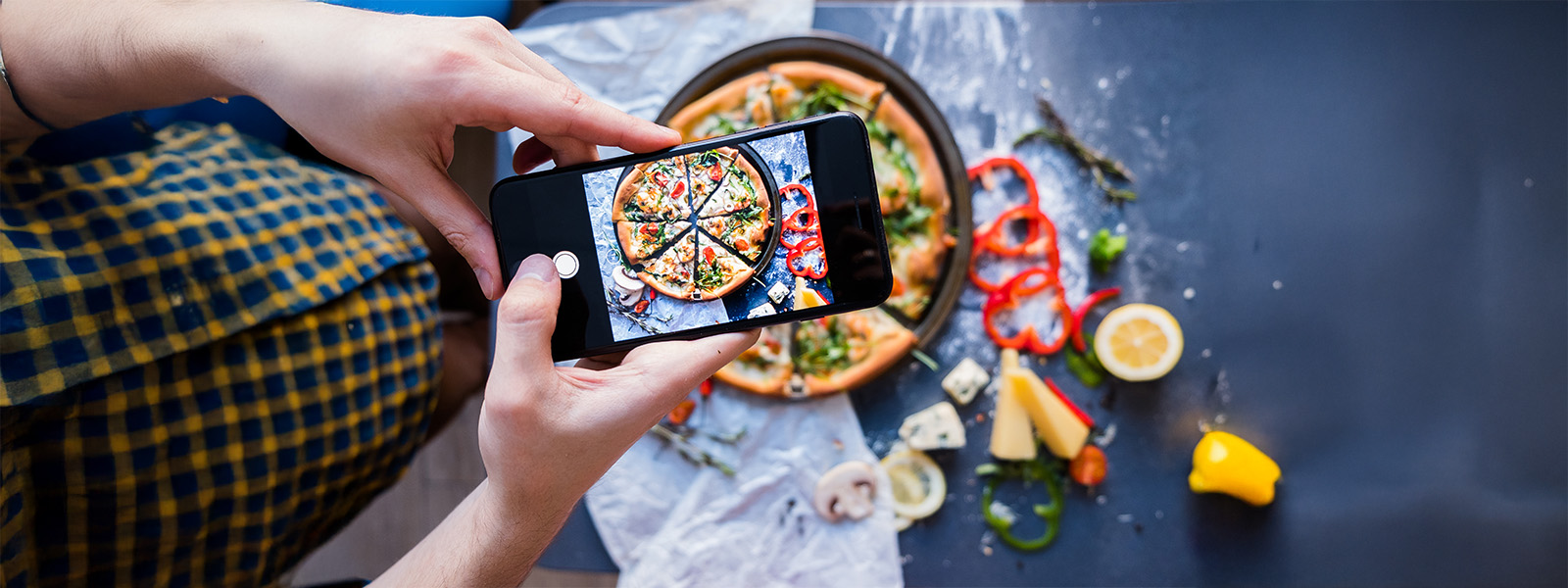
Have you noticed how our dinner table talks have changed lately? A few years ago, we just ate “food” but now we talk about macros and microbes. This shift didn’t just happen by accident. Social media creators, or say foodfluencers, have changed our vocabulary completely. They take complex nutritional ideas and turn them into viral food terms.
Whether it’s a colourful bowl or a specialized food concept, the following viral foods or food terms dominate our feeds at first and eventually, our grocery lists. Let’s explore the most popular food terms that moved from our phone screens to our daily lives.
Vegan/Veganism
Veganism was earlier seen as a strict, niche-based lifestyle. However, food creators have now turned it into a vibrant and mainstream movement. They have showed us that you don't need dairy products or meat to enjoy a burger or a creamy pasta. By sharing colourful and visually appealing food recipes, they made "vegan" feel like an aspirational choice than a sacrifice.
It’s no longer just about what you can’t eat but about discovering a whole new world of plants. Today, being vegan is a global badge of health-conscious and eco-friendly living. A lot of “greenfluencers” now advocate plant-based diets as a primary tool for environmental healing.
Plant-based
While veganism is a lifestyle, “plant-based” became the “friendlier” version of it that everyone can try. Creators popularized this term to help people eat more veggies without any guilt of not eating them. It’s a very simple concept where you fill your plate with plants!
The term went viral because it feels inclusive. You can now find a “plant-based” yogurt or milk at any local shop around the world. It’s a gentle way to focus on whole foods like grains, nuts and fruits. Creators made it trendy to put plants at the centre of the plate and a lot of us followed.
Keto
The "Keto" craze took the internet by storm because it flipped the old food pyramid upside down. Influencers started posting videos of sizzling bacon and cheesy avocados, claiming you could lose weight while eating fats. This high-fat and ultra-low-carb approach became a viral food term instantly. The reason behind this turns out to be the results that seemed like magic to many followers.
Creators simplified the science by focusing on "ketosis" as a goal. Suddenly, everyone was tracking their fat intake and swapping bread for lettuce wraps. They turned a medical diet into a massive social media lifestyle that changed how we view butter and oil.
Clean eating
Clean eating is all about getting back to the basics. Creators made this term mainstream by showing us “unprocessed” foods in their natural state. The idea is simple, if it comes in a box with a long list of ingredients, it is not “clean.” On social media, this looks like bright salads, clear broths and raw nuts.
It’s a very refreshing way of looking at nutrition that excludes chemicals and preservatives. By focusing on “real food,” creators made us realize that the best ingredients often don’t have a label at all. It’s about eating for pure energy.
Low-carb
“Low-carb” is a classic term that got a second life thanks to creative cooks online. Instead of just “dieting,” influencers chose to learn how to make zucchini noodles and cauliflower pizza crusts. These clever swaps made cutting on carbohydrates feel like a fun kitchen experiment rather than a boring chore.
The term stayed popular because it’s flexible. People got conscious and learnt about the concept. The fact that you don't have to go full “keto” to be low-carb attracted everyone. All you have to do is be mindful of bread and sugar. This practical approach made it a staple in the modern health conversation. It proved that we can still love “pasta” and not feel guilty about eating it.
Intermittent fasting
The concept of intermittent fasting is not about what do you eat, but when do you eat. This term went viral when creators started sharing their “eating windows” and “fasting timelines” online. It felt like a secret productivity hack for the human body. By skipping breakfast or finishing your dinner early, people felt they had more energy and better focus.
The simplicity of the “16:8” method made it easy for anyone to try the concept without much efforts. Creators turned a basic biological process into a trendy routine. Today, it’s extremely common to hear people talk about their fasting schedules over a cup of coffee or tea.
High-protein diet
If you have seen anyone shaking a protein bottle at the gym, then you know this trend. Creators shifted the focus from “eating less” to “powering up’ with protein. They shared endless ways to sneak protein into oats, pancakes and even snacks. The term became mainstream because it’s linked to feeling strong and staying full.
It’s no longer just for bodybuilders but for anyone who wants to stay active. From Greek yogurt bowls to chicken meal preps, the high-protein movement is everywhere today. It’s all about building a body that is fuelled, energized and ready to go.
Detoxification
The word “detox” sounds like a fresh start which is exactly why it went viral. Creators popularized “detox waters,” green juices and herbal teas meant to “cleanse” the system. While the human body does this naturally, the idea of a “reset” after a weekend of heavy eating is very appealing. It became a creative way to encourage drinking more water and eating more antioxidants.
Beautifully filmed videos of lemon-infused water and celery juice made “detoxification” feel like a spa day for people online. It’s soon became a popular way to celebrate health and start a new habit.
Gut health
“Gut health” became a massive trend once we realized our stomachs are like a “second brain.” Creators started talking about “probiotics” and “fermented foods” like kimchi and kombucha. What used to be a boring biology topic became a vibrant kitchen trend. We started seeing “gut-friendly” recipes everywhere. We also saw how they looked promising for better moods and clearer skin. The term became highly popular because of how it connects the way of eating to how we feel emotionally. It’s a holistic approach to wellness that focuses on the tiny microbes living inside us.
Conclusion
It is amazing how a few hashtags and some beautiful filming can change the way the entire world eats. These terms started as small ideas but grew into global movements, thanks to the power of the internet. We have now learned to look at our plates with more curiosity and care.
While trends may come and go, the focus on feeling better through food is here to stay. Next time you see a new term trending, remember that it’s just another way to explore the wonderful world of nutrition. Stay hungry for knowledge and keep enjoying your food journey!