
Marketing

How Gen Z is Reshaping the Future of Brand Marketing

14 Nov 20256 Min Read
 How Gen Z is Reshaping the Future of Brand Marketing

You must have noticed how advertisements don’t have the same formats anymore. Earlier, most of the ads were present on TV or through billboards. However today, things have changed. Question yourself this, when did you see a TV commercial last and believed it? Now also ask yourself, when was the last time you believed your favourite creator recommending something?

That’s the power of Gen Z in today’s times. It is a generation born between 1997 to 2012 and is changing how brands connect with people. They not just focus on products but value stories, beliefs and experiences as well. They seek purpose behind products. Why do you think is this difference present? How are Gen Z different from other generations?

How are they reshaping the future of brand marketing in several ways? Let us understand step-by-step ahead.

Why does Gen Z value authenticity over traditional advertising?

Gen Z finds buzz and hype in authenticity. Therefore, it is a non-negotiable term for them. Below are the reasons behind it:

  • They grew up online: Gen Z customers have seen all kinds of advertisements. As a result, they can spot anything that is forced, fake or polished easily.
  • Relatability matters: Gen Z prefer everyday creators and voices that feel genuine, relatable and honest. They are past viewing staged or scripted ads.
  • Prioritizes trust: For Gen Z people, transparency in Gen Z products matters. Trust comes first for them. If brands stay real and honest about their products, Gen Z is very likely to stick around.
  • Peer voices over brand voices: Gen Z trusts honest reviews, recommendations, tutorials and suggestions. They prefer user generated content more than commercial ads.
  • Authenticity is equal to loyalty: After finding a brand they connect with, Gen Z stay loyal with it and also share it with their friends and beyond.
  • For Gen Z and brand marketing, scripts or traditional formats doesn’t work. They believe more in creators or influencers sharing how a product changed their lives more than commercials or polished ads. Successful Gen Z branding is all about keeping authenticity at the centre.

    How is Gen Z driving the shift toward digital-first marketing?

    Gen Z is born in a digital-first world. Therefore, they tend to follow trends, experiment with different styles and apply creativity naturally. Below is how there drive the shift towards digital-first marketing easily:

  • Social first-approach: Gen Z spends most of their time on platforms like Instagram, Facebook, YouTube or Snapchat. Therefore, they make them their prime platforms for Gen Z brand marketing.
  • Short-form rules: Gen Z prefer quick, bit-sized videos more than long movie-like videos. Therefore, Gen Z branding is all about entertaining and selling through Reels, Shorts and Stories.
  • Interactive content: Gen Z likes interacting through polls, quizzes, Q&A sessions and interactive stories. Therefore, they choose these features for driving engagement and curiosity in consumers.
  • Consistent changes: Gen Z are highly updated. They get to trends immediately. In fact, brands stay flexible and adaptable with them to follow fresh Gen Z marketing strategies.
  • Consider Instagram for example. A food brand can launch a fun recipe challenge where creators are required to make content around the recipe. 15 to 30 seconds videos from these creators can go viral in just a few days. This is how Gen Z brand marketing strategies stand out from the rest. Their speed and power is definitely different.

    Gen Z’s demand for purpose-driven brands

    Gen Z looks for purpose in products. If they don’t find a meaning, they don’t prefer it. For them, it is not just about buying a product but it’s also about what is does and what the brand stands for. They look for brands who have their own values and beliefs. Here’s why:

  • Support social causes: Gen Z customers love brands who solve social problems and issues. Growing crisis like climate changes, equality and mental health are some of the core issues they want brands to solve nowadays. They consider voicing these issues as their responsibility.
  • Honesty: Gen Z consumers want to know all the “how’s” of the brands. This means to know where the products come from, what are the sources, how are they made and different processes included. This helps them trust brands and consider products. They don’t want sugarcoating, just honest and transparency.
  • Sustainability: Gen Z dislike fast fashion and wasteful practices. Most of them are drawn to brands that recycle, sustain, innovate and experiment mindfully. They not only prioritize their health but planet’s overall state as well.
  • Accountability through actions: Gen Z believes in actually taking actions rather than mere talking and discussing. If they notice a brand not aligning their actions with their words, they move on. They expect brands to show real initiatives than just conducting campaigns.
  • Loyalty: After trusting a brand, Gen Z customers don’t just stay buyers but brand believers and advocates. They do everything from sharing the products to supporting and promoting the brands.
  • Overall, the above stated reasons are why Gen Z brand marketing strategies stand out well in today’s market scenario. They often include sustainability campaigns which makes their actions more meaningful.

    Gen Z’s love for communities and influencers

    Some of the major Gen Z branding practices include thriving on online communities and creators. As Gen Z individuals are already familiar with digital spaces, they find branding, marketing and promoting in them strategic. Their love for these communities and influencers always creates something engaging and interesting:

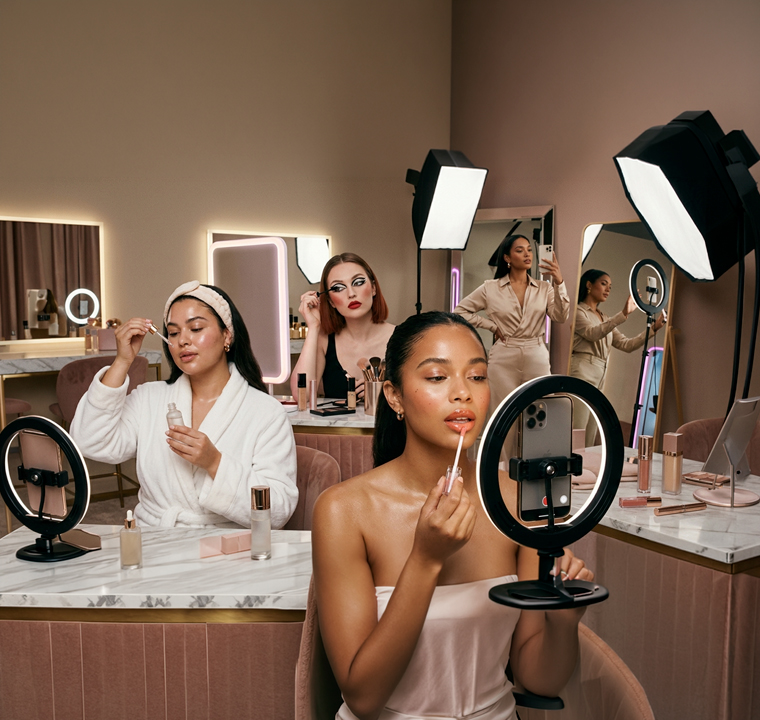
  • For them, micro and nano influencers feel very real. As growing creators tend to have loyal and faithful communities, Gen Z customers find their recommendations more genuine and trustworthy. Gen Z brand engagement majorly include promotion through nano and micro creators.
  • They feel shared interest build tribes. Whether its tech, gaming, beauty or food, Gen Z consumers gather around and connect with communities where their interests and preferences are celebrated.
  • For them, two-way interaction matters. Gen Z and branding syncs well when they find both influencers and brands responding, interacting and engaging with their target audience or customers. They want brands to connect and communicate back to them.
  • Other than these factors, Gen Z believes that communities build trust successfully and exclusivity is exciting. Therefore, they also consider group applications like Discover, Telegram and Reddit. It gives them a deeper sense of belonging.

    Conclusion.

    Gen Z is reshaping the future of brand marketing by rewriting the rulebook for marketing. They seek authenticity, brands with meaning and purpose, real communities and transparency. For them, selling is more than just creating ads. It’s about trust, values, purpose and shared interests.

    Brands that stay updated with Gen Z brand marketing strategies will thrive in the coming times as Gen Z consumers are very keen about their values and beliefs. They want brands to speak truthfully to them. Overall, Gen Z and branding are transforming they way brands market and connect with their target audience.

    Adintors EditorialAdintors Editorial