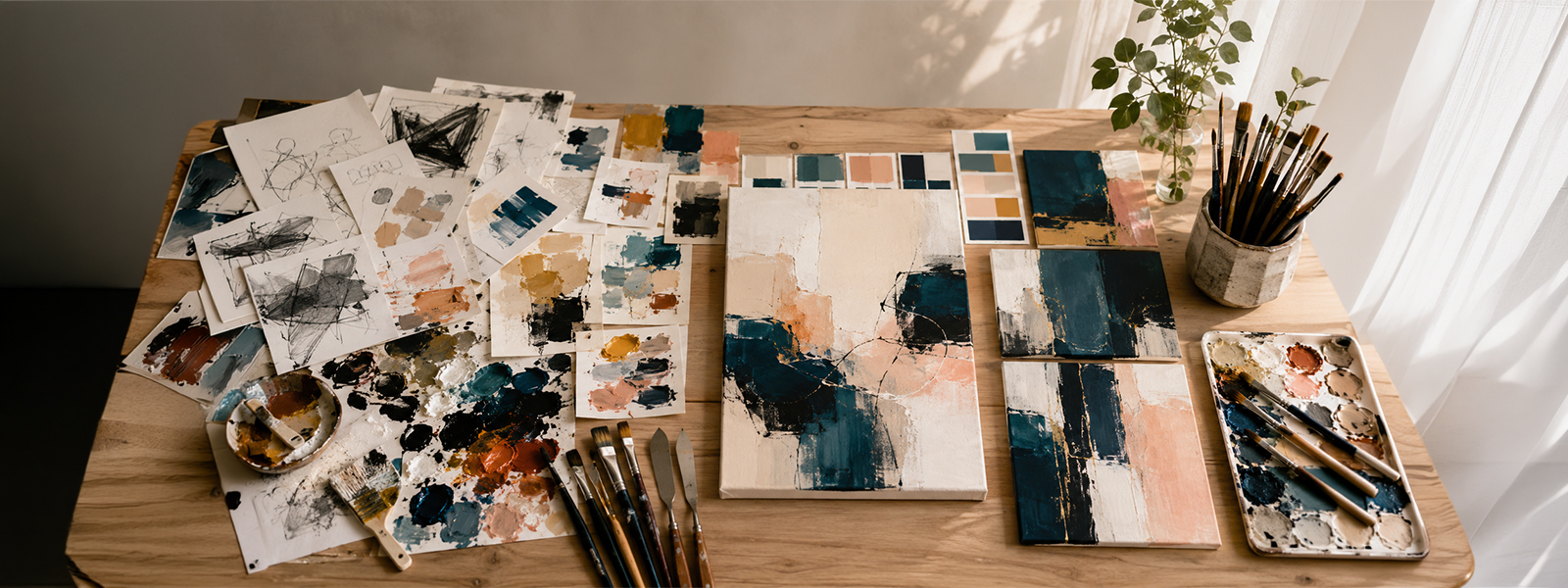
Building a signature style is one of the most important steps in an artist's journey. It is what makes your work instantly recognisable and helps you stand out in a crowded creative space. A strong style also becomes the foundation for opportunities like exhibitions, collaborations and commissions. This is where understanding how to pitch your art becomes important because galleries and brands look for clarity, consistency and identity in an artist's work.
Whether you are just starting out or refining your craft, your style is not only about visuals but also about communication. It plays a key role in how you present your work when you pitch art or approach opportunities. Over time, a well-defined style helps an artist build confidence, recognition and long-term creative direction. Developing a unique identity takes patience, but the process of finding your signature style can shape both your artistic growth and professional opportunities.
Understand what style really means

Style in art is more than colours or technique. It is the overall identity that connects all your work. This includes your subject choices, mood, composition, and the emotional tone behind your pieces. When artists understand this clearly, it becomes easier to develop a strong and recognizable creative voice.
A signature art style is not built overnight. It develops through repeated choices and consistent creative decisions. Galleries and clients are not just looking for skills, they are looking for consistency and vision. Your style becomes your visual language and helps you communicate your artistic identity.
When preparing a pitch art presentation, your style should feel cohesive across multiple works. This consistency builds trust and makes your portfolio stronger. Whether you are working on traditional or digital pieces, clarity in style helps in shaping a more effective art pitching guide for future opportunities.
Study your natural creative preferences
Understanding your natural preferences is the first step towards building a strong style. Look at your past work and identify what you enjoy creating the most. It could be portraits, abstract compositions, or detailed illustrations. These patterns often reveal your natural direction.
Artists often discover that certain themes, textures, or colour palettes appear repeatedly in their work. Paying attention to these details can make the process of finding your signature style more natural and less overwhelming.
The more aligned your work is with your natural strengths and interests, the easier it becomes to maintain consistency and confidence. Over time, these repeated preferences begin shaping a visual identity that feels authentic and recognizable.
Experiment across multiple styles

Experimentation helps you understand what works best for you. Try different mediums, techniques, and subjects without limiting yourself too early. This stage is about exploration, not perfection.
Many artists discover their strongest direction only after trying multiple approaches. This is also useful when preparing a pitch art portfolio because it helps you identify your most impactful work.
A flexible approach strengthens your art pitching guide because you can present a more refined and focused collection later. Over time, experimentation helps you eliminate what does not feel natural and highlight what defines your artistic identity.
This process is essential for building confidence when you eventually pitch brand opportunities or gallery submissions.
Build consistency through repetition
Consistency is what transforms experimentation into identity. Once you identify patterns in your work, start repeating them intentionally. This could include colour palettes, textures, or composition styles.
A consistent body of work is essential when learning how to pitch your art to a gallery, because curators look for clarity and direction. Repetition helps build familiarity, making your portfolio more memorable and professional.
When you apply a strong art pitching strategy, consistency becomes your biggest strength. It allows your audience and potential collaborators to immediately recognize your work.
Over time, this repetition builds trust, which is crucial when you pitch brand collaborations or submit work for exhibitions.
Develop a recognisable visual language

A visual language is how your art communicates without words. It includes your shapes, style choices, and overall mood. When developed well, it makes your work instantly recognizable.
This becomes especially important when preparing a pitch art portfolio, as galleries and clients prefer artists with a clear identity. A strong visual language simplifies your art pitching guide, making your presentation more focused and impactful.
Artists who understand how to pitch your art effectively often rely on a consistent visual identity. It helps them stand out in competitive spaces and improves how their work is perceived during selection processes.
Take inspiration without copying
Inspiration is important, but originality is essential. Studying other artists helps you learn techniques, but your goal should be to develop your own interpretation.
When you pitch brand collaborations or galleries, originality plays a major role in decision-making. A strong art pitching strategy depends on how unique and authentic your work feels.
Avoid directly copying styles. Instead, blend influences to create something that feels personal. This approach strengthens your understanding of how to pitch your art to a gallery, because it helps you present a distinct identity rather than a repeated style.
Refine through feedback

Feedback helps you understand how others perceive your work. Sharing your art regularly allows you to observe engagement and responses.
This is especially useful when preparing to pitch art professionally. Feedback highlights what resonates with audiences and what needs improvement. It becomes a valuable part of your art pitching guide, helping you refine your presentation.
Whether you are trying to pitch brand collaborations or submit to galleries, understanding audience perception improves your chances of success. However, feedback should guide you, not control your direction.
Align your style with purpose
Your style should support your long-term goals. Whether you want to work with brands, sell artwork, or exhibit in galleries, your direction matters.
A clear purpose strengthens your art pitching strategy, making it easier to structure proposals and presentations. Knowing how to pitch your art to a gallery becomes more effective when your work aligns with a specific goal.
Artists who define their purpose early are better positioned to pitch brand opportunities because their work feels intentional and professional.
Develop your style over time

Style evolves with experience. It is not something fixed but something that grows with practice and experimentation.
As you continue working, your identity becomes clearer. This gradual development improves your ability to pitch art confidently and professionally.
A strong art pitching guide always emphasizes growth and adaptability. Over time, your style becomes more refined, making it easier to understand how to pitch your art in different professional contexts.
Practical tips for developing a signature style
- Create focused practice sessions: Work on specific themes or subjects repeatedly. This helps you understand your preferences and build consistency, which is important when preparing to pitch brand collaborations.
- Limit your tools initially: Using fewer tools or colours helps you focus on structure and composition. This improves clarity in your art pitching strategy and strengthens your visual identity.
- Build themed collections: Instead of random pieces, create series based on mood or subject. This makes it easier to pitch art professionally and present a cohesive portfolio.
- Analyse your strongest work: Review your past pieces and identify what stands out. This helps you refine your art pitching guide and understand how to position your work effectively.
- Practice presentation skills: Learning how to pitch your art to a gallery is not just about artwork but also how you present it. Build confidence in explaining your process and creative vision clearly.
These tips help strengthen both your artistic identity and professional readiness. A strong style combined with a clear art pitching strategy increases your chances of success in galleries, brand collaborations, and creative opportunities.
Conclusion
Building a signature style is a journey of patience, exploration, and refinement. It is not just about creating visually appealing work but about developing a consistent identity that represents your artistic voice. A strong style also plays a key role in understanding how to pitch your art, whether to galleries or brands.
When your work is consistent and intentional, it becomes easier to pitch art confidently and professionally. Over time, your portfolio reflects clarity, making your art pitching guide stronger and more effective.
Whether you aim to pitch brand collaborations or showcase your work in exhibitions, your style becomes your foundation. With the right art pitching strategy, your creativity transforms into opportunity.