
Starting your own podcast in 2026 is an incredible way of sharing your voice with the world. However, the secret to success lies in finding the right podcast niche before you reach your first episode. With millions of shows available, being too broad can make it hard for the listeners to find you.
A well-defined niche podcast is not just helpful for standing out but also building a loyal community of people with similar interests. Many people struggle with where to begin, but the process is actually quite simple. It is all about finding that perfect spot where your passion meets what people want to hear. In this blog, we will guide you through the essential steps to narrow down your focus. You will learn how to move from a general idea to a specific topic that wins hearts. Let’s dive into the journey of creating a podcasting show that truly resonates.
Understand your interests

The first and most important step in understanding how to choose a podcast niche is looking inward at your own interests and hobbies. You will be spending many hours researching, recording and talking about your chosen topic every week. If you pick a subject just because it is popular, you might burn out quickly. Think about the topics that make you lose track of time when you discuss them with friends.
Are you an expert in a specific hobby or do you have a unique professional background?
Your excitement is what keeps the audience engaged and coming back for more episodes. A host who truly loves their subject sounds more authentic and trustworthy to the listeners than the one who doesn’t. Make a list of five things you could talk about for thirty minutes without any preparation. This list is the best starting point for finding a theme that feels natural to you. Remember, your podcast is a long-term project, so pick something that will keep you curious for years.
Identify your target audience
Once you know what you love, you must think about who will be listening to your show. Identifying your audience helps in tailoring your tone and the type of information you provide.
- Define a persona: Imagine a single person who would love your show and give them a name.
- Consider demographics: Think about their age, job and the place they live to understand their daily life.
- Identify their problems: Ask yourself what questions or challenges they have that can be solved by you.
- Match their vibe: Choose a speaking style that fits their personality, whether it is professional or casual.
- Find their hangouts: Know which social media platforms they use so that you can reach them easily later.
Focusing on a specific group of people makes your content feel personal and valuable to them.
Research market demand
After you have an idea and an audience, you need to make sure people are actually searching for that topic. Market research confirms if there is enough interest to help your show grow over time.
- Check keyword tools: Use online tools to see how many people are searching for your main topics.
- Browse forums: Look at sites like “Reddit” or “Quora” to see what questions people are asking within your niche.
- Track trends: See what is currently popular in the news or on social media within your industry.
- Read reviews: Look at the similar podcasts and see what listeners wish those shows would talk about.
- Test the idea: Share your concept on social media to see if people respond with genuine interest.
Finding the best niche for podcast success often involves filling a gap that other creators have missed.
Evaluate competition and differentiation

It is highly likely that other people are already podcasting about the things you love. This is actually a good sign because it proves that an audience already exists for that topic. However, you must find a way to make your show different from everything else out there. Listen to the top shows in your category and take notes on what they do well.
Look for things they are missing or perspectives they haven't explored yet. Maybe you can offer a more beginner-friendly approach or a much more technical deep dive. You could also differentiate through your format like using storytelling instead of standard interviews. Your unique personality and life experiences are your biggest competitive advantages. Don't try to copy the “big names” in your field. Instead, focus on being the only person who provides your specific mix of insights and entertainment.
Assess long-term content potential
Before committing, ensure that your niche has enough “legs” to last for many seasons. No one would want to run out of ideas after only 10 episodes of their podcasting show.
- Brainstorm titles: Try to write down at least twenty-five specific episode titles right now.
- Check evolving news: Pick a niche where new things happen often so that you always have some news to share.
- Guest opportunities: Make sure there are enough experts or interesting people whom you can interview.
- Sub-topics: See if your main niche can be broken down into smaller and interesting sub-categories.
- Evergreen potential: Balance trendy news with the topics that will still be useful three years from now.
A great niche should feel like an endless well of inspiration rather than a small box.
Align the niche with your goals
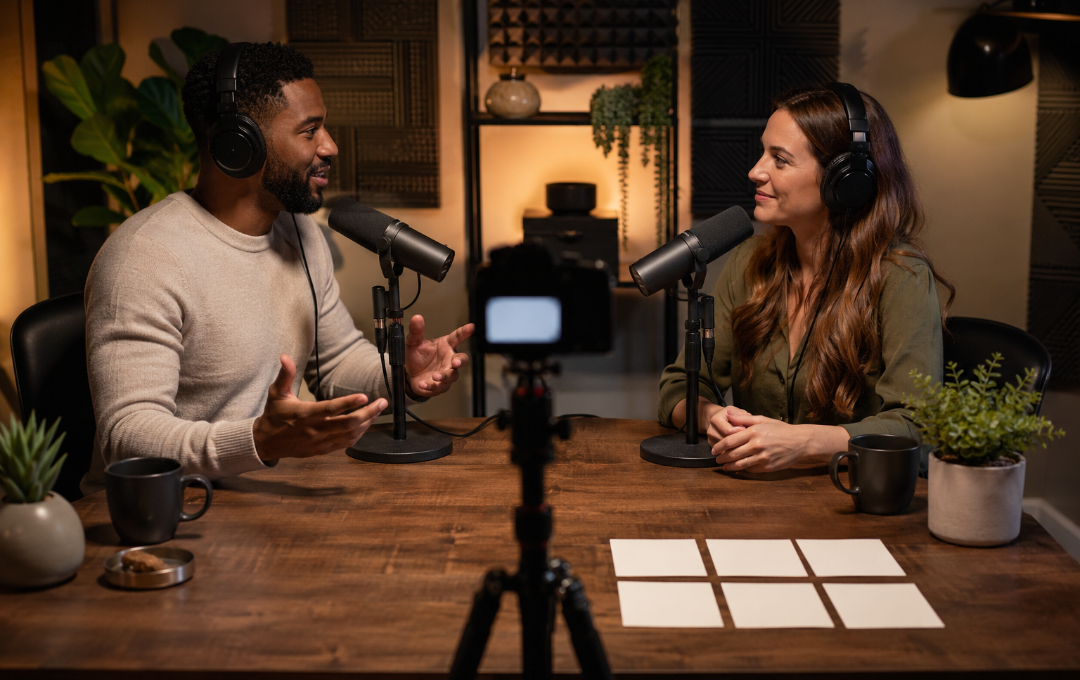
Finally, make sure your chosen niche helps you in achieving what you want in your personal or professional life. Some people start a podcast to build a business, while others just want to make new friends. If your goal is to make money, ensure your niche has clear opportunities for sponsorships or products. If you want to be a thought leader, pick a topic that highlights your professional expertise.
Your podcast should feel like a bridge that takes you closer to your future dreams. When your goals and your niche match, you will feel much more motivated to do the hard work. It helps in staying focused during the weeks when growth feels a bit slow. Always ask yourself if this topic represents who you want to be in the next few years.
Conclusion
Selecting the right focus is the most powerful thing you can do for your new show. It gives you a clear path to follow and helps your ideal listeners find you in a crowded world. When you learn how to select a niche for your podcast, you are setting yourself up for a rewarding journey. This process also helps you on your path to becoming a social media content creator by giving you a clear voice.
Take your time with this decision and don't be afraid to be certain and specific. A small, dedicated audience is always better than a large, bored one. Happy podcasting!