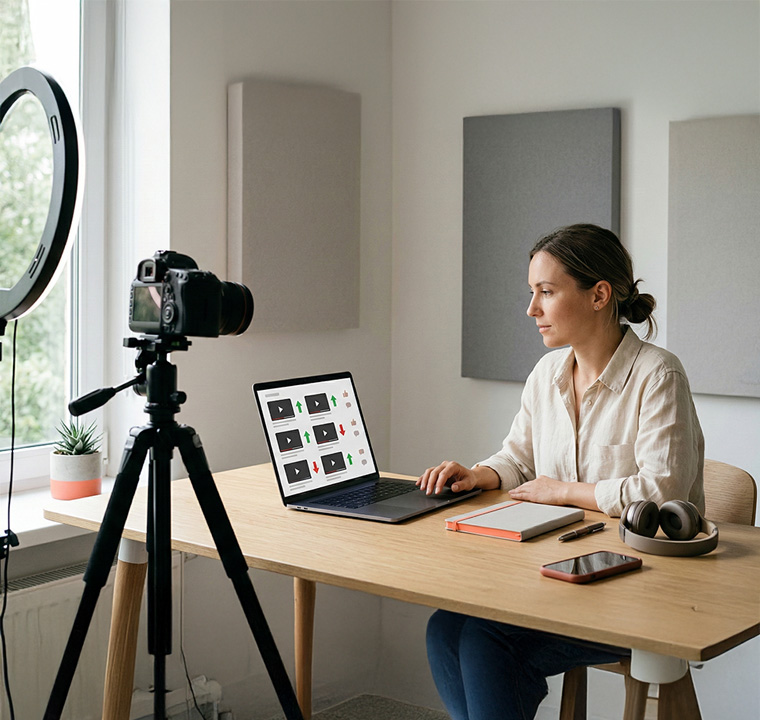
Influencer marketing is one of the most significant ways to connect with audiences today as they value authenticity and trust. With millions of influencers present online, businesses have endless opportunities but also endless choices. A major challenge for them remains selecting the right influencers for audience engagement and marketing goals. Selecting them based on their follower count is just not enough. An influencer with 10,000 followers can sometimes provide quality results than an influencer with 20,000 followers. The difference lies in their audience demographics, engagement rate and beyond. Here’s how to select influencers wisely using social media platforms.
What are your campaign goals?
The first step in selecting the right influencers is defining your campaign goals clearly. Influencer marketing is not a strategy where any individual can fit any campaign. You have to be clear on whether you want to raise awareness or generate leads. There should be clarity on whether you want to increase engagement or drive more sales. For example, if your goal is to increase reach, select an influencer with a larger following. Similarly, if your goal is specific or niche-based, you can select a niche-based micro influencer. Clear goals navigate your budget well. They help you shortlist platforms and influencer type.
Think of your target audience
Identify your target audience before selecting the right influencer. Influencer marketing is only effective when an influencer’s followers overlap with your target audience. Therefore, clarify the identity of your ideal customer. Define demographics like age, gender or location as well as their preferences, values and interests. For example, if your brand sells animal-cruelty free beauty products, collaborate with an eco-friendly influencer. Additionally, several social media platforms share data on follower demographics and engagement. Analyze those insights and match their community with your target audience type.
Analyze influencer types and tiers
Influencers can be classified into different tiers with different benefits like:
1. Nano influencers (1K to 10K followers)
Nano influencers are individuals with small and highly engaged communities. They are most suitable for niche-based campaign goals. For example, if you are aiming to launch an eco-friendly brand, collaborate with a nano influencer who is passionate about sustainability to connect with the right audience.
2. Micro influencers (10k to 100K followers)
Micro influencers are most suitable for driving trust, conversions and leads. For example, if your aim is to promote a smartphone accessory, collaborating with a micro influencer who reviews gadgets and electronics can be the most convincing.
3. Macro influencers (100K to 1M followers)
Macro influencers have a wider reach and are almost like celebrities. They are often interchangeably termed as “semi-celebrities” and are great for increasing brand awareness on a large scale. For example, if your aim is to make people aware of your new sports brand, collaborating with a fitness-based macro influencer will be the best strategy.
4. Mega influencers (1M+ followers)
Mega influencers are simply celebrities or popular digital personalities with a massive following. For example, if your aim is to drive instant attention and visibility, collaborating with a Bollywood actor (mega influencer) will be the best strategy.
After understanding influencer tiers, it is also important to be aware of their types:
Selecting the most suitable combination of influencer tier and type will balance your campaign’s reach, trust and cost efficiency.
Social media platforms for research
There are several social media platforms online. Every platform has its own unique strengths that can influence your shortlisting process:
- 1. Instagram: This is a perfect platform for food, lifestyle or beauty brands. Features like “reels” and “stories” can generate high engagement. Moreover, “hashtags” and “explore” can be used to find different creators.
- 2. YouTube: This is a perfect platform for posting tutorials, reviews and long-form storytelling videos. It is helpful in establishing strong authority and credibility. Consider checking views of the influencers instead of their subscriber count here.
- 3. LinkedIn: This is the most suitable platform for B2B marketing campaigns and building a professional network. Influencers generally share insights, case studies and recent trends here. Find them through the “search bar” by adding filters as required.
- 4. Pinterest: This is the most suitable platform for home décor, DIY, fashion and travel brands. Influencers navigate traffic with visually qualified content to websites and stores. Find them through quality and creative posts.
- 5. Twitter/X: This is the most suitable platform for sharing real-time conversations, gaining high engagement and increasing brand visibility. If you want to find a relevant voice here, track trending discussions and topics.
Utilize various platform tools and features to shortlist the right influencers. Match the selected platform with your brand’s objectives and campaign goals.
Check authenticity and engagement rates
Millions of influencers are present across different social media platforms today. However, not all of them have genuine followers or views. Some of them use bots and tools to showcase a high number of following and views. Therefore, it is important to check their authenticity through their KPIs like click through rates, conversion rates, social media engagement and follower satisfaction scores. Prioritize selecting influencers based on their consistency to avoid inauthenticity or low engagement rates.
Conclusion
Social media platforms are flooded by influencers today. Selecting the right influencers requires strategy and research. Identifying target audience, influencer tier and influencer type along with the most suitable platform is important for maximum results. Deep dive in learning about nano influencers, micro influencers, macro influencers and mega influencers. Understand whether they create content or set trends. Discover popular platforms like Instagram, YouTube, Twitter/X, Pinterest and LinkedIn with their features and latest add-ons. Utilize these tools for instant results. Lastly, always check with their authenticity and engagement rates. Strategic and well-processed selection always drives high engagement and sales.