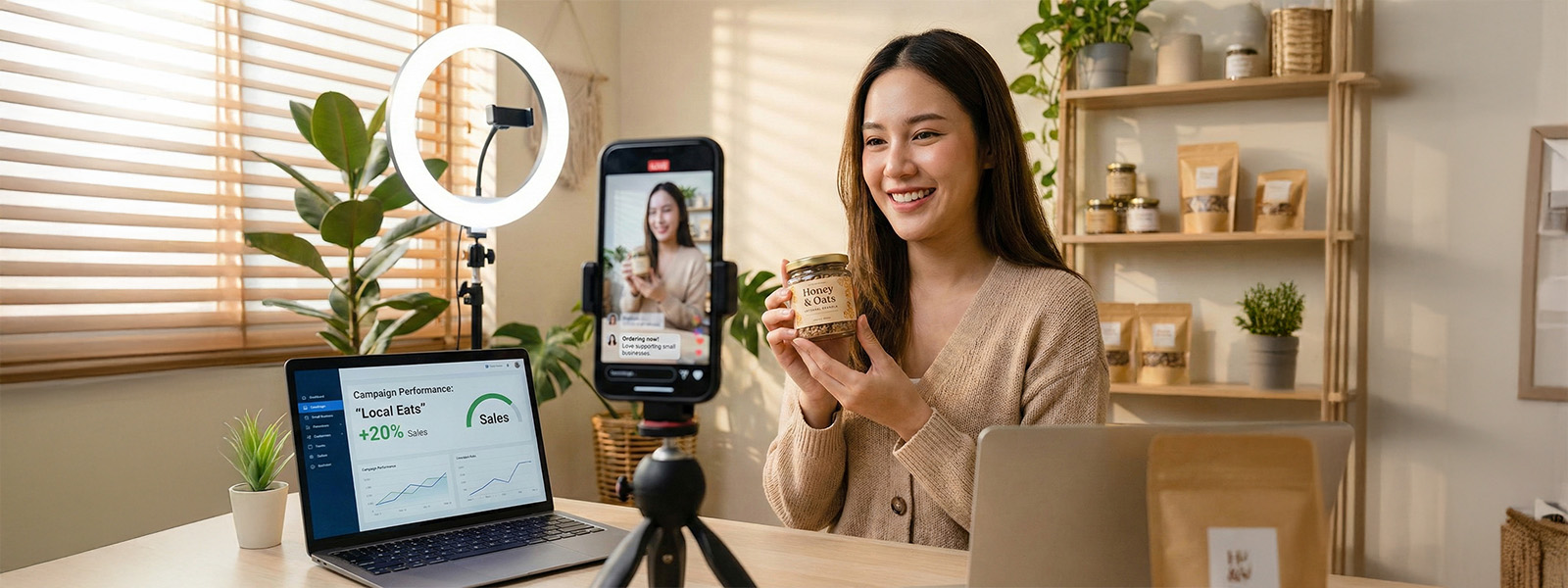
Influencer marketing for small business is the best route to grow a brand quickly. It is helpful in reaching the target audience through voices they already trust. From selling a handmade painting to running a calm and cozy cafe, selecting the right influencers can not only boost your visibility but sales and reach as well. The best part about influencer marketing is that you don’t need mega stars or celebrities to promote your brand. Instead, you just have to find authentic and relevant creators. Below is a step-by-step guide to start your influencer marketing journey effectively today.
Identify your goals and audience
Begin with a clear goal. Think of what is it that you want to achieve. Is it to gain followers or to generate sales? Or is it to simply build credibility? Define your goals to set the base of your campaign. It helps in finding the right creators. A brand aiming for awareness may prioritize reach but a brand aiming for conversions will focus on engagement. Therefore, be clear in terms of your aims and targets.
Always do thorough research about who you’re talking to. Understand their interests and preferences. Learn about their age groups, hobbies, online behaviour and more to connect effectively. Acquiring deep knowledge about your target audience helps in finding relevant influencers. The better the audience fit, the better your campaign results.
Brainstorm your metrics for success. From impressions to site visits, sales and conversions, have KPIs to keep your efforts focused and measurable. KPIs (Key Performance Indicators) make sure that both you and the chosen influencer know what results you’re aiming for. Clarity in this process leads to strategic and results driven collaborations.
Find the right influencers for your brand
Micro (influencers with 10K to 50K followers) and nano (influencers with 1K to 10K followers) creators often drive great engagement. Their communities have a limited number of people but they are all loyal and interactive. The best part is that they are cost-effective. Therefore, they are highly ideal when it comes to influencer marketing for small business owners who want maximum ROI on tight budgets.
Before selecting a creator, reviewing their previous work including consistency and follower authenticity is extremely important. A high engagement rate usually indicates genuine audience trust. Avoid influencers with fake followers or inconsistency. Instead, select influencers with quality content and honest storytelling to benefit your brand effectively.
Make use of various influencer finding tools or even Instagram search to find creators in your niche. Manual research takes time but it helps in validating the alignment of your chosen influencers with your brand values. Look for the creators who are already using similar products or sharing relevant content.
Plan a clear collaboration offer
Decide early on collaboration rewards. Make a clear outline containing your content expectations, timelines and deliverables. Personalize your pitch and show the influencer why your brand fits their content. When both the sides find it beneficial, partnerships feel natural and authentic. It brings genuine results overall.
Build long-term relationships
Plan collaborations that can be sustained for a longer period of time. Sustained collaborations create greater impact than single posts. When people repeatedly see a creator talk about your product, they begin to trust your brand. Ongoing partnerships build familiarity which makes your marketing more organic and reliable.
Extend your support beyond paid campaigns. Engage with the collaborated influencer’s posts, drop meaningful comments and repost their work. The mutual respect between you and the collaborated influencer encourages them to continue advocating for your brand. With time, you’ll end up creating a loyal community of genuine promoters.
Once you find the creators who genuinely like your brand, turn them into long-term ambassadors. Begin by providing them exclusive discounts, early access and special collaborations. Proceed by sponsored posts later. In fact, when influencers themselves feel valued and appreciated, they advocate for a brand passionately.
Track, measure and optimise
Make use of metrics like reach, engagement and conversions to measure impact. You can use tools like Meta Insights, Google Analytics or affiliate links for this process. Track down those creators who deliver the most number of engagement rates or conversions. It helps in understanding useful strategies.
Check influencer posts to observe comments, shares and sentiments on them. Those insights reveal how your brand is perceived by your target audience. Use those responses to adjust your message in future and understand your customer behaviour better.
Every campaign teaches something. Identify what worked and what didn’t. Look for different factors like the type of content that worked, influencer tier or the platform used in it. Use these insights to make your next campaign smarter, better and much more profitable.
Conclusion
Starting influencer marketing for small business is less about huge budgets and more about building smart and authentic connections. As a small brand, your biggest advantage is agility. You can experiment, personalise, and form genuine relationships faster than large corporations. Begin with clear goals, choose influencers who truly align with your brand story and focus on delivering value both ways. Consistency and trust will turn one-time collaborations into meaningful partnerships that drive real impact.
Remember, the strength of your campaign lies not just in reach but in relevance. People today care about honesty more than perfection. By tracking results and continuously optimising, you can scale your efforts without overspending. In the long run, your small business with influencer marketing will evolve into a community-driven ecosystem where creators, customers and your brand will grow together, that too, sustainably and authentically.