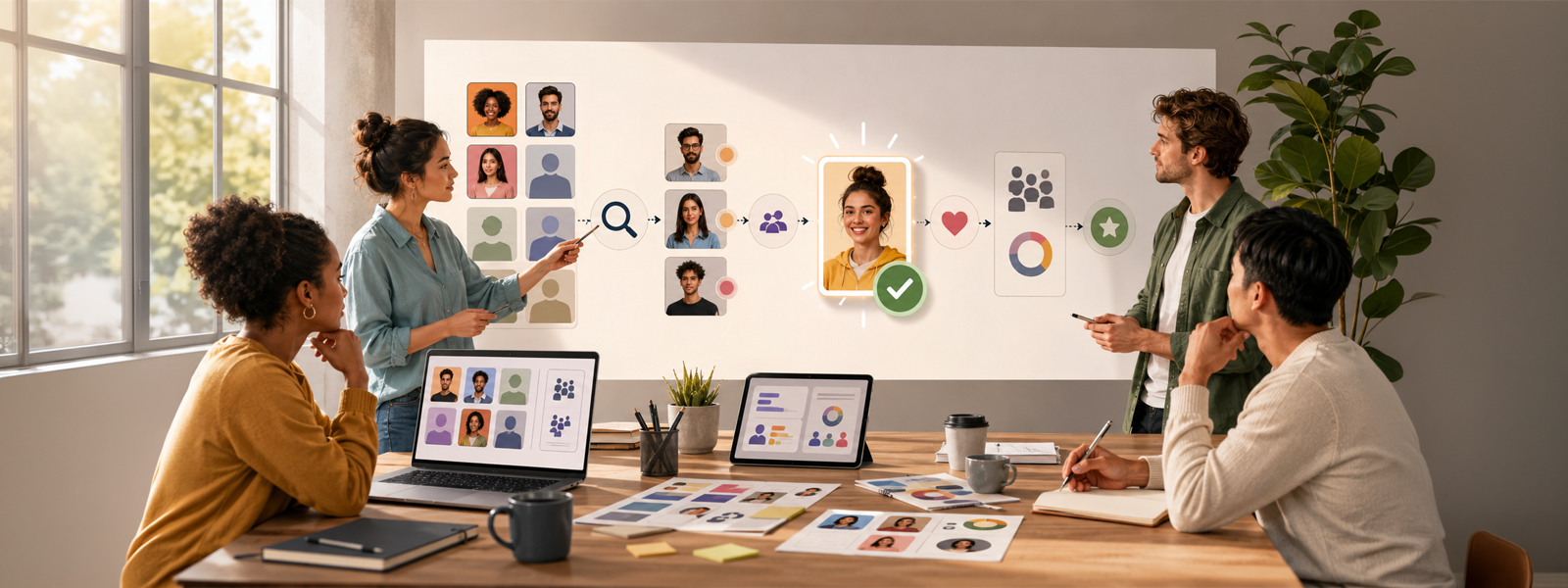
We spend months perfecting a rigid brand identity, yet the most successful way to grow is often to just hand that identity over to another individual and let them rewrite it in their own voice. To evolve, brands must swap stiff marketing for the human connection that people actually seek today. It is about finding a partner who can speak about your brand in a way that their followers genuinely understand and trust.
However, selecting the right influencer is not a game of chance but a strategic task. The ideal influencer acts as a bridge and translates corporate values into relatable stories that bypass the modern consumer's natural skepticism. Success depends on moving forward from vanity metrics to find a creator whose personal brand naturally intersects with your own.
Define your ideal audience
Before looking outward, you must look inward at your customer persona to identify your ideal audience. Question who are you trying to reach exactly. Identifying an audience by age and location is no longer enough. You must understand their interests, pain points and digital habits.
If your audience spends their time watching long-form educational content, a high-energy TikToker won't convert, regardless of their following. Finding influencers for your brand starts with demographic and psychographic alignment. You need a creator whose current followers mirror your ideal customer profile to ensure the message lands in fertile soil. For marketers, this means that precision beats scale every single time.
Set clear campaign goals
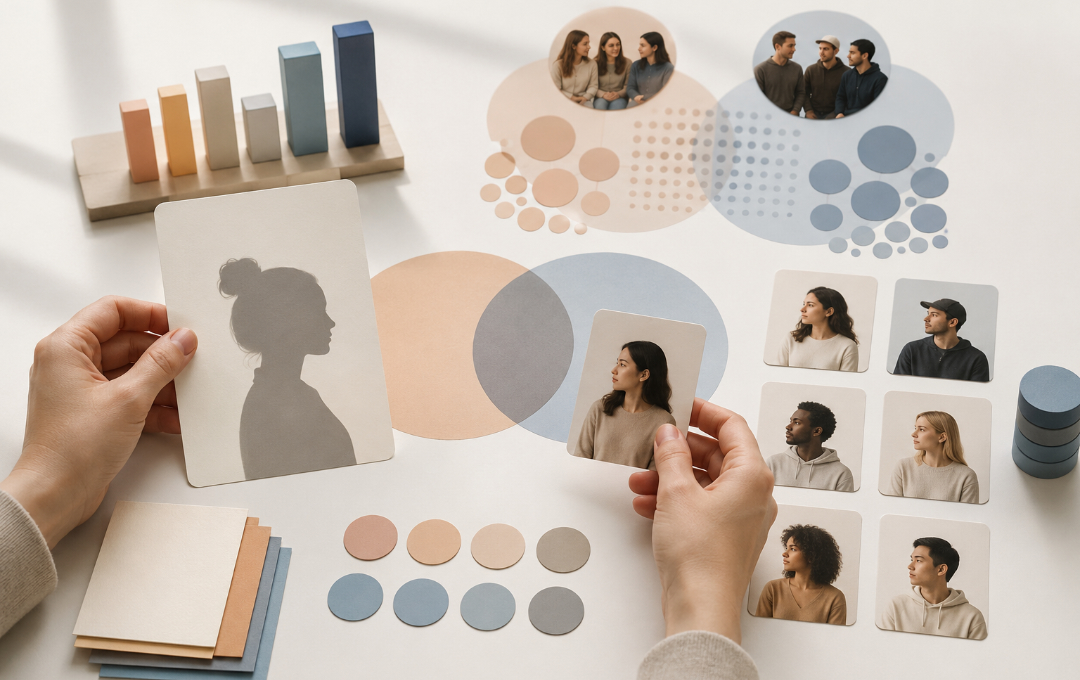
Every partnership must be anchored by a specific objective. Are you looking for brand awareness where high visibility is the priority? Or are you chasing conversion rates, which requires a creator with a high degree of purchasing influence? Clear goals clarify the type of creator you need.
For instance, a launch campaign might benefit from a dozen micro-influencers creating a buzz simultaneously. However, a loyalty campaign might require a long-term ambassador. Without these benchmarks, you cannot measure ROI or determine if you should find the right influencer for another collaboration. For brands, this means that a campaign without a goal is just an expensive experiment.
Choose the right platform
Every social media platform has its own role. LinkedIn works best for professional and B2B conversations whereas Instagram is more about visuals, lifestyle and inspiration. During the discovery stage, brands should focus on platforms where their audience already spends time.
This is where Adintors steps in. Adintors is an innovative app wherein brands and creators can connect to collaborate with each other for influencer marketing. Instead of guessing where to start, brands can use Adintors to find the right creators and platforms that match their goals and audience.
Every platform also has its own style as well. YouTube is great for detailed storytelling while X moves fast with trends and conversations. This makes it essential to choose the right influencer, someone who understands the platform well and knows how to communicate naturally with their audience. For creators, this changes how they package their value proposition to potential brand partners.
Research creator content alignment

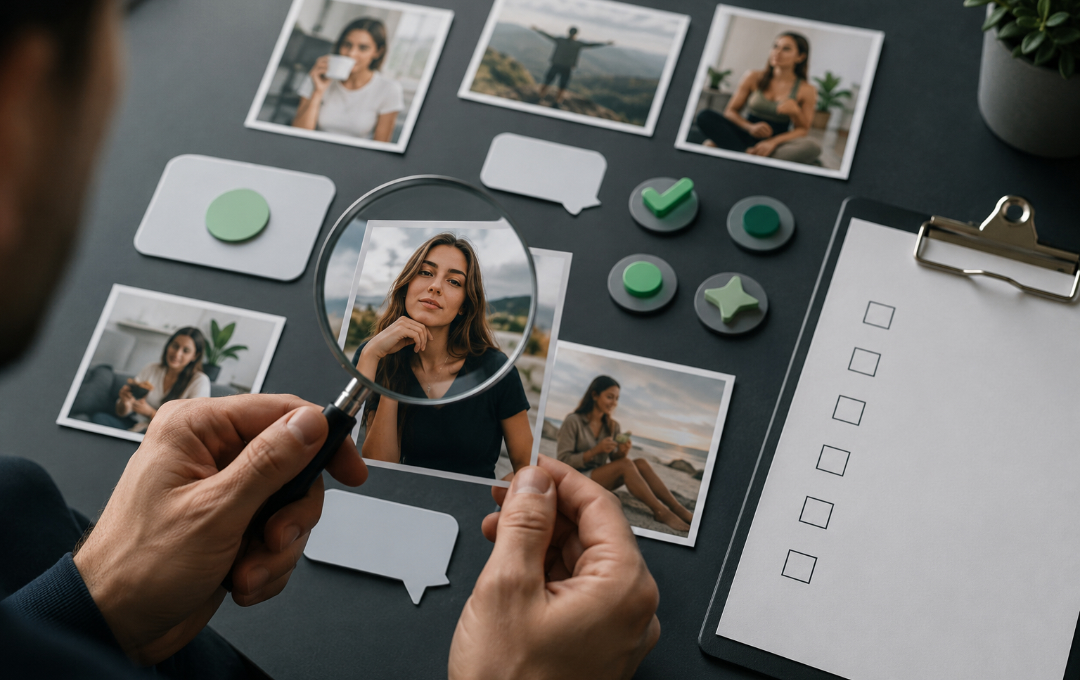
The most common mistake is ignoring the vibe of a creator's feed. You must observe their last 30 days of posts to ensure that their aesthetics and values align with yours. Look for inconsistent content or sudden shifts in tone, as these are some of the major red flags for a disorganized personal brand.
If a creator's content is extremely chaotic or leans into controversies that clash with your corporate ethics, the partnership will feel forced. When you are finding influencers for your brand, you are primarily looking for a seamless brand fit. You are looking for a fit where your product feels like a natural guest in their digital home. For marketers, the implication is that the content feel is just as important as the content reach.
Analyse audience authenticity
In an era of bots, an audience analysis is non-negotiable. You must engage in deep vetting to separate genuine communities from inflated numbers. Look for signs of fake followers such as accounts with no profile pictures or comments that consist only of emojis.
A creator might have a million followers, but if those followers aren't real people capable of making a purchase, your budget is effectively wasted. Authentic influence is built on real people having real conversations in the comment section. Always remember, nothing less will suffice for influencers for your business. For brands, this means protecting your budget from the illusion of popularity.
Check engagement over reach

Reach is a vanity metric and engagement is a sanity metric. During the vetting process, calculate the engagement rate by comparing likes and meaningful comments to the total follower count. A micro-influencer with a 5% engagement rate is often more valuable than a celebrity with a 0.5% rate.
High engagement proves that the audience is listening, not just scrolling past your content. To find the right influencer, you must prioritize the depth of the relationship over the width of the broadcast. For creators, this changes the focus from gaining followers to fostering a community.
Review previous brand partnerships
How a creator treats other brands is a preview of how they will treat yours. Look at their past paid partnership posts. Were they creative? Or did they just read a script? Did they disclose the partnership properly? If they have worked with a direct competitor recently, the audience might feel ad fatigue. Successful brands look for creators who have a track record of delivering high-quality, professional work while maintaining their unique voice. This is a critical step in selecting the right influencer for a long-term partnership. For marketers, this means that a past performance is the best predictor of the future ROI.
Evaluate communication and professionalism
The outreach phase is the first real test of a creator's professionalism. Observe whether they are responsive or not. Ask if they have a media kit ready. A creator who is difficult to reach or is unprofessional during negotiations will likely be difficult during the production phase as well. You need a partner who respects deadlines and understands the business side of the creator economy.
Evaluating their communication style ensures that the workflow remains smooth and that both the parties are aligned on their expectations before a single dollar is spent. For brands, this means that a great creator who is not a good communicator is a liability.
Conclusion
Finding the perfect partner is a meticulous process that balances data with intuition. It requires looking past the surface to find someone who shares your brand's DNA. Remember that finding influencers for your brand is not about chasing the biggest names but about finding the most resonant voices.
Ultimately, the process is as much about who you say no to as who you say yes to. Finding influencers is about elimination, not selection. By filtering out the noise, you can make sure that your final choice is a true advocate who can turn followers into loyal customers.