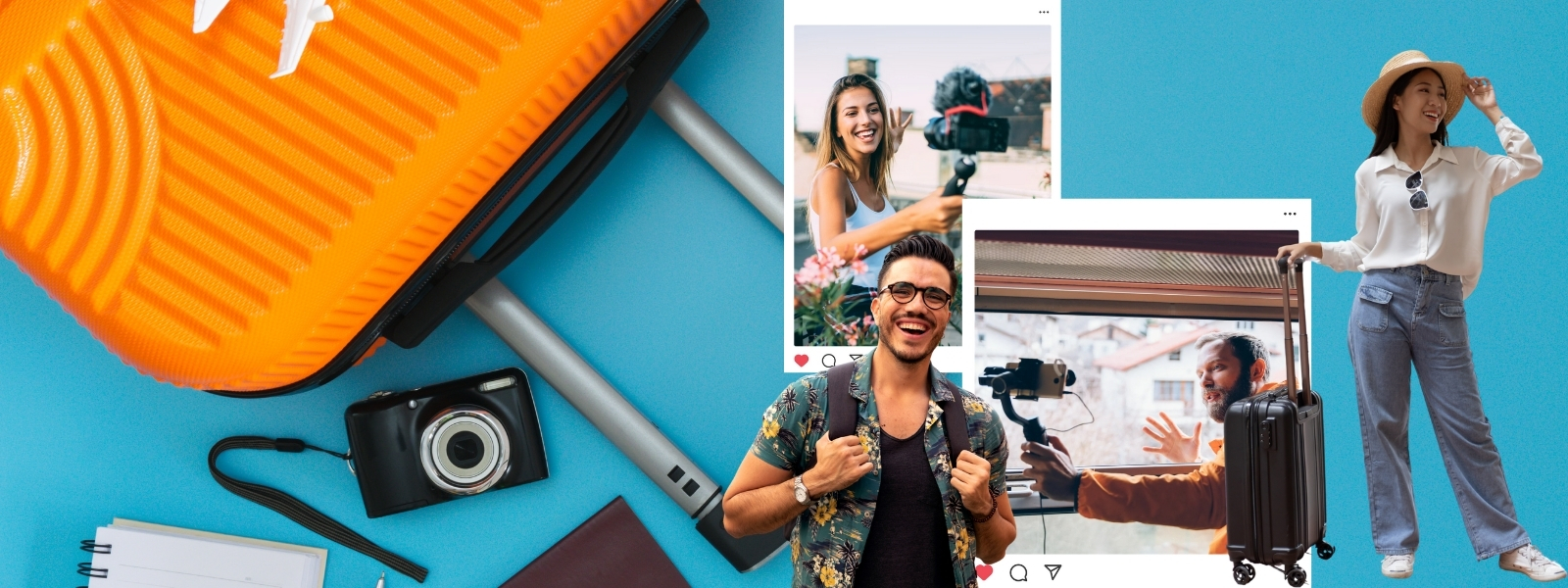
In the ever-changing world of travel, travel influencers have become a significant factor in shaping our perceptions and inspiring desire to travel. From their captivating photos to engaging stories, they have transformed the way we explore the world. The terms travel influencer marketing and travel landscape are interchangeable. As the travel landscape continues to evolve, so do the trends in travel influencer marketing.
The Rise of Travel Influencers
Today, Travel Influencers have grown up as the new travel agents for Millennials and Gen Z. These younger generations now look to travel influencers for guidance, recommendations, advice and inspiration when travelling due to the increased use of social media and the internet. Travel Influencers, known for their online presence and selected lifestyle, have built a strong following based on their expertise in various niches. By sharing their experiences, tips, and destinations through attractive content, travel influencers have become a reliable source for adventure seekers.
Unlike traditional travel agents, travel influencers provide a more customised and relatable way to travel planning. Travel influencers are good at providing authenticity and peer conclusions, which are highly valued by millennials and Gen Z. Travel Influencers promote hidden treasures, unique experiences, and insider knowledge from their local communities through eye-catching images, captivating videos, and insightful descriptions that aren't typically available in traditional travel guides.
Travel Influencers have a direct communication with their followers, regularly engaging and responding to their queries and concerns. Their transparency about travel costs, accommodations, and trips also helps young adults to make informed decisions while planning their trips.
Impact of Travel Influencers on the Tourism Industry
Travel Influencers have changed the way travel-related businesses collaborate with consumers. Many hotels, airlines, and tour operators now partner with Travel Influencers to reach their target audience. Also, travel influencers are shifting away from only depending on brand sponsorships and to providing their own digital products. According to a survey conducted by Adobe, 67% of content creators planned to sell their own products in 2022, up from 51% in 2021 and has been increasing since then.
Travel Influencer decisions have certainly changed the travel industry. Whether it's looking for hidden gems or having unique experiences, these young generations trust the experiences and insights shared through travel influencers.
Current Trends in Travel Influencer Marketing
1. The rise of micro-influencers
While macro-influencers and celebrities have traditionally dominated the travel influencer field, micro-influencers are now making major improvements. These influencers, usually with followers between 10,000 to 100,000, get attention for their authentic and niche content. Micro-influencers frequently have more committed and engaged followers, which increases the impact of their suggestions. Brands are increasingly partnering with micro-influencers to reach out their dedicated follower base and create stronger relationships.
2. Focus on storytelling and authenticity
Travel influencers are focusing on real storytelling rather edited, photo-perfect photos in a world where authenticity is essential. Audiences are looking for real experiences and relatable content, encouraging influencers to share natural moments, personal stories, experiences and behind-the-scenes pictures. The trend towards authenticity promotes credibility and trust, which strengthens the bond between influencers and their followers.
3. Sustainable and responsible travel
In the travel industry, sustainability has gained a lot of attention, and responsible travel is being strongly promoted by travel influencers. Influencers encourage more for sustainable accommodation and environmentally friendly travel destinations. Collaborations with environmentally conscious brands and initiatives aimed at reducing the environmental impact of travel are becoming more common, connecting with the growing consumer demand for sustainable travel options.
4. Long-term partnerships rather than a one-time collaboration
Instead of one-time collaborations, brands are more and more looking for long-term partnerships with travel influencers. Long-term relationships allow influencers to develop a stronger bond with the brand, leading to more authentic and consistent content. These partnerships help influencers to create campaigns, share their experiences over time, address the concerns and build a loyal community around the brand. Because it promotes consistency and trust, this trend is beneficial to influencers and brands both.
5. Inclusive and social responsibility
Inclusion and social responsibility are increasingly essential components of influencer marketing for travel. Influencers are supporting local communities, promoting inclusive travel experiences, and advocating for social issues using their platforms. Campaigns that show diverse cultures and ethical tourism practices are connecting with audiences. This trend shows how crucial it is to create an inclusive travel community and use influencer for benefits.
6. The expansion of platforms
While Instagram remains the primary platform for travel influencers, there is a diversification towards other social media platforms. TikTok, YouTube, Facebook and Pinterest are all gaining popularity as influential platforms for travel content. Influencers can share brief travel experiences and advice on TikTok's short-form video format, while YouTube provides a platform for more in-depth travel vlogs and tutorials. Influencers use Pinterest to plan and inspire travel, creating aesthetically appealing boards that stimulate users' interests.
Conclusion
The effect Travel Influencers are having an impact on thousands of tourists and social media users every day is becoming clearly visible. Building their own communities and continuing to focus on authentic and sustainable content.
The role of travel influencers in the travel and tourism industry is always changing. They are expected to develop into more powerful authorities in the industry while exploring how to better use the effective platforms, channels, tools and technology to help them create business opportunities across various dimensions. As authenticity, sustainability, and inclusivity takes place, travel influencers are playing a pivotal role in shaping the future of travel marketing, inspiring audiences to explore the world in more meaningful and responsible ways.