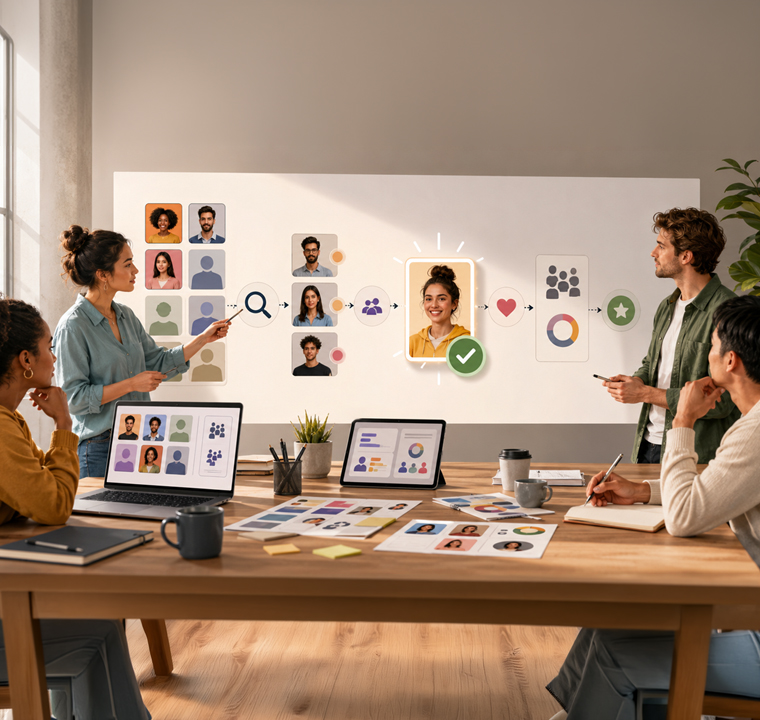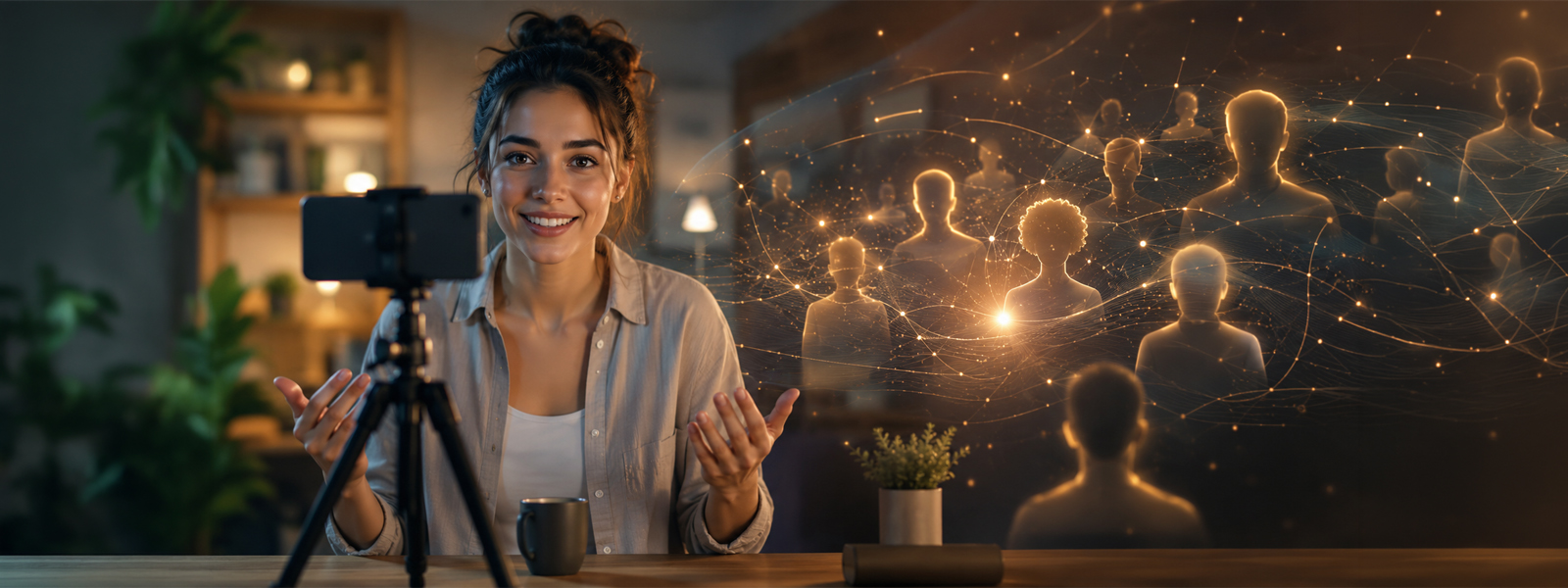
With approximately 74% to 86% of consumers something based on a creator's recommendation, it is clear that we are witnessing a massive shift in consumer behaviour. It wonderful how we find a person talking in their bedroom more convincing than someone talking in a commercial ad. The reason lies in the psychology of influencer marketing.
Traditional ads feel like a lecture, but influencers feel like a conversation. We are not just looking at products but at a lifestyle we admire. It's an exploratory journey into how our brains are hardwired to seek connection rather than just data points. By moving away from corporate polish, brands tap into a more human frequency. This is not just a trend but a fundamental change in how we process trust in the digital age. Let us understand this in detail.
The power of parasocial relationships
To understand why we click buy, we have to look at the psychology influence of parasocial relationships. A simple explanation of parasocial relationships is that they are one-sided relationships where a follower feels a deep, personal connection to a creator, even though the creator doesn't know them. We see their morning coffee, hear about their bad days and watch their kids grow up. This creates a sense of authenticity that mimics real-world friendship.
When an influencer recommends a skin cream, our brains don't process it as ad. Instead, we process it as a tip from a friend. This bond removes the stranger danger that we usually feel toward brands which is what makes us open to suggestions.
For creators, this changes the priority from gaining reach to building depth, as the strength of the bond dictates the value of the endorsement.
Social proof and the herd mentality
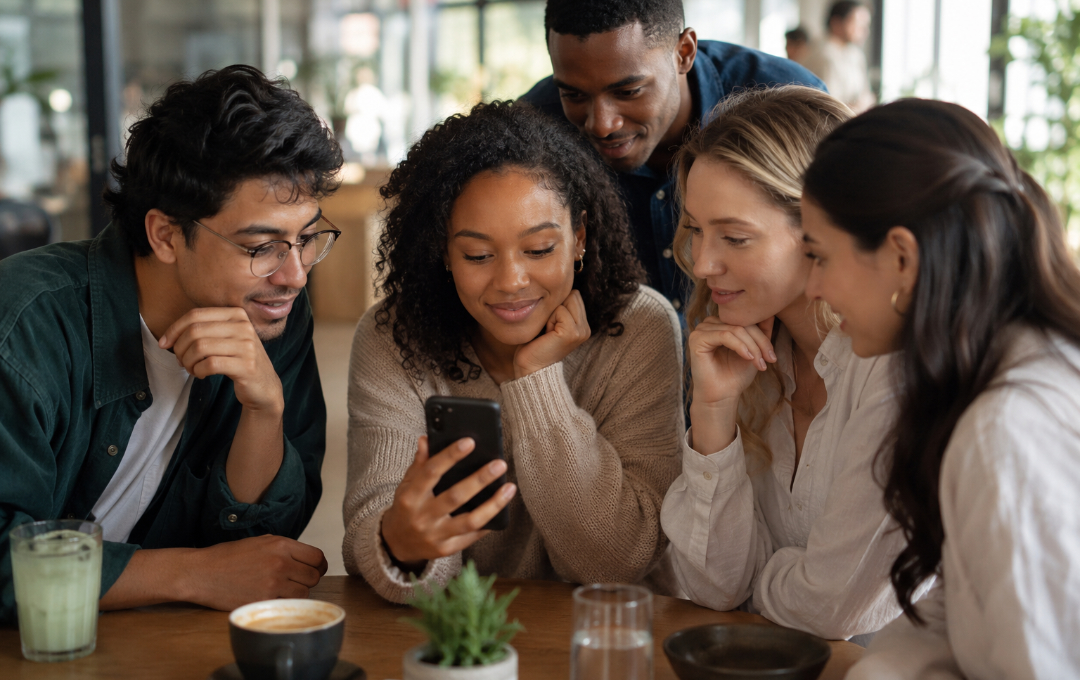
There is something deeply comforting about doing what others are already doing. This brings us to the psychology behind influencers and the concept of social proof. A simple explanation of social proof is the psychological tendency to look to others to determine correct behaviour, especially in uncertain situations. When we see thousands of likes or a comment section filled with I need this!, our minds process a signal that the product is safe and desirable. We are social creatures by nature and it's natural for us to have a herd mentality that protects us from making mistakes.
If a creator with a million followers uses a specific blender, the proof is already established. We don't feel the need to read a 50-pages manual because the community has already vetted it for us. It's a shortcut for us. The fear of missing out (FOMO) also plays a role here. If the herd is moving towards a product, we don't want to be left behind in the dust of old technology or outdated fashion.
For brands, this means that user engagement and visible hype are often more important than the actual technical specifications of the product itself.
The mere exposure effect: Why repeated exposure wins
- The familiarity principle: At its core, the psychology behind marketing relies on the fact that humans develop a preference for things simply because they are familiar.
- A simple explanation of repeated exposure: This is the psychological phenomenon where being exposed to a stimulus multiple times increases our liking or trust in it.
- The power of five: Most consumers rarely purchase on the first encounter; curiosity and trust typically peak after the fourth or fifth time a product appears in their feed.
- Lifestyle integration: Influencers excel here by making a product mental furniture like seeing a water bottle in a vlog, a workout photo and a desk tour makes it feel like a natural part of their world.
- Familiarity to comfort: Continuous sightings bridge the gap from what is that? to I want that, as comfort with the brand eventually leads to a confident purchase.
For marketers, the implication is that consistency and long-term partnerships are far more effective than one-off shoutouts that are quickly forgotten.
Sleath marketing

One of the most fascinating parts of the psychology of influencers is how they manage to sell without sounding like people from sales. This is often called stealth marketing. A simple explanation of why people don't feel like they are being sold to is that the product is framed as a solution or a lifestyle choice rather than a sales pitch through influencers.
When a creator shows you how they organize their pantry, the containers they use feel like helpful tools instead of commercial inventory. As the content provides value, whether it's entertainment or education, the ad part feels like a fair trade. We are not being interrupted by a commercial but the commercial is the content we chose to watch. It feels organic, seamless and most importantly, helpful.
For creators, this changes the way they bridge the gap between their personal life and their business, ensuring the pitch never breaks the vibe.
How influencers reduce decision resistance
Every time we think of buying something, we go through a friction process. We ask ourselves, is it worth the money? or what if it breaks? This is where understanding influencer marketing becomes vital. A simple explanation of how influencers lower decision resistance is by acting as a proxy for the consumer. They have already tested the product, shown it in natural lighting and answered common questions.
By seeing a real person use it, the perceived risk drops significantly. The influencer takes the mental load of researching off our shoulders. We trust their taste, so we bypass our usual skepticism. It's the ultimate cognitive shortcut that turns a maybe into a yes with minimal mental effort.
For brands, this means that providing influencers with the freedom to be honest and real is the fastest way to overcome consumer hesitation.
Conclusion
It is fascinating to see how deeply our social instincts influence our shopping carts. As we have explored, the transition from traditional ads to creator-led content is fuelled by our need for connection and validation. Influencer marketing works because it feels human.
By leveraging influencers for long-term brand engagement, we see a world where trust becomes the most valuable currency. Whether it is through a shared laugh in a video or a repeated glimpse of a favourite gadget, these digital bonds are rewriting the rules of commerce. We are no longer just consumers but followers and that makes all the difference.