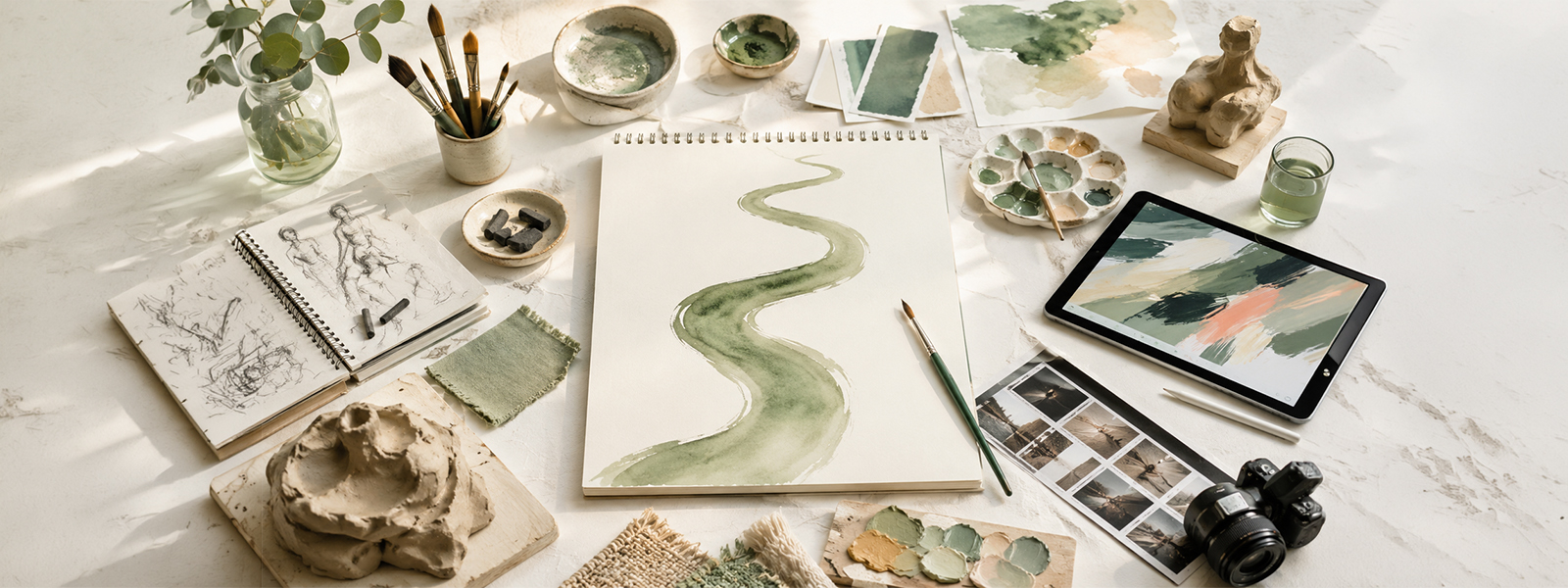
The world of art today is more diverse and accessible than ever before. With social media, online marketplaces and digital tools, artists can explore countless styles and build their own space. However, with so many options, choosing the right direction can feel confusing. This is where understanding different niches becomes important.
Exploring a list of art niches helps artists discover where their skills and interests align. Instead of trying everything at once, focusing on one area can bring clarity and consistency. Whether working traditionally or exploring digital art niches, finding the right fit can shape long-term growth. This guide breaks down some of the most popular art niches and offers simple steps to help artists identify their own path.
1. Traditional painting
Traditional painting is one of the most timeless and respected art forms. It includes mediums like oil, acrylic and watercolour, each offering a unique texture and finish. Many artists are drawn to this niche because of its hands-on process and emotional depth.
This niche works well for those who enjoy physical materials and slower creative processes. A landscape artist, for example, might focus on nature scenes using watercolours, while another might create bold acrylic abstracts for home decor.
Traditional painting is also one of the best art niches for exhibitions and commissioned work. It allows artists to build a strong portfolio that can be showcased both online and offline.
Even in a digital age, traditional art continues to hold value, especially among collectors and art enthusiasts. It is a great starting point for those exploring art niches ideas that feel authentic and grounded.
2. Digital illustrations
Digital illustration is one of the fastest-growing digital art niches today. It involves creating artwork using tools like tablets and software which makes it highly versatile and scalable.
Artists in this niche often work on character design, editorial illustrations or social media visuals. A creator might design illustrations for brands, websites or even children's books.
One of the biggest advantages is flexibility. Edits are easier and the same artwork can be repurposed across multiple platforms. This makes it one of the best art niches for freelance opportunities.
For those exploring modern art niches ideas, digital illustration offers endless possibilities. It blends creativity with technology and fits well in today's content-driven world.
3. Sketching and line art
Sketching and line art focus on simplicity and expressions. The niche uses minimal lines to create powerful visuals which makes it highly shareable on various social platforms.
Many artists use this style for quick concepts, portraits or aesthetic designs. A creator might share daily sketches or minimalist illustrations that resonate with people looking for clean and relatable visuals.
This is one of the popular art niches because it is easy to start and does not require complex tools. It also helps artists in improving their fundamentals like proportion and composition.
For beginners, this niche offers a great entry point into the art world while still allowing room for creativity and growth.
4. Portrait art
Portrait art focuses on capturing human expressions and emotions. It can be realistic or stylized, depending on the artist's approach.
This niche is widely known for commissions. People often request portraits for personal or gifting purposes. A portrait artist might create detailed pencil sketches or vibrant digital portraits.
It is considered one of the best art niches for building a client base. Strong skills in anatomy and shading are important here.
Artists exploring art niches ideas often find portrait art rewarding because it combines technical skills with emotional storytelling.
5. Concept art
Concept art is widely used in industries like gaming, film and animation. It focuses on designing characters, environments, and visual ideas before they are developed further.
A concept artist might create futuristic cities or fantasy characters based on a storyline. This niche requires creativity along with an understanding of design and storytelling.
It is one of the more advanced digital art niches, but it offers strong career opportunities.
For artists interested in world-building and storytelling, concept art is a powerful direction to explore.
6. Typography and calligraphy
Typography and calligraphy focus on creative lettering and text design. The niche blends art with communication which makes it highly useful in branding and design.
Artists might create wedding invitations, logos or social media quotes using unique lettering styles.
It is one of the popular art niches because of its practical applications. Businesses often look for custom typography to enhance their visual identity.
This niche is perfect for artists who enjoy working with text and design elements.
7. Abstract art
Abstract art allows artists to express their emotions without following realistic forms. It focuses on colours, shapes and textures.
A creator might use bold strokes or fluid patterns to create visually striking pieces. This niche is open to interpretation, which makes it appealing to a wide audience.
Abstract art is often seen in modern interiors and galleries. It is a great option for artists looking for freedom and experimentation.
8. Street art and graffiti
Street art and graffiti bring creativity into public spaces. This niche is bold, expressive and often carries strong messages.
Artists might create murals or urban-style designs that reflect culture or social themes. It has gained popularity online as well, with many creators sharing their work digitally.
This niche is ideal for those who enjoy large-scale and impactful art.
9. 3D art and motion graphics
3D art and motion graphics are among the most in-demand digital art niches. They involve creating animated visuals, models, and immersive designs.
A creator might design product animations or short visual loops for social media.
This niche requires technical skills but offers strong opportunities in advertising and media. It is perfect for artists who enjoy combining art with technology.
10. Art for branding and social media content
This niche focuses on creating visuals for businesses and online platforms. It includes posts, ads, and brand identity designs.
A designer might create Instagram graphics or marketing visuals for a brand.
With the rise of digital marketing, this has become one of the best art niches for consistent work. It combines creativity with strategy.
11. Fan art
Fan art is inspired by movies, series, games, or pop culture. It connects artists with existing communities. A creator might draw characters from a popular show or reinterpret them in their own style.
This niche helps artists gain visibility quickly because of its built-in audience.
12. Product and merchandise art
This niche focuses on creating designs for products like t-shirts, stickers, and prints.
Artists can sell their work through online stores, making it a scalable option. It is one of the most practical art niches ideas for generating income.
13. Mixed media art
Mixed media combines different materials and techniques. It could include digital and traditional elements together.
This niche allows experimentation and innovation, making each piece unique. It is ideal for artists who enjoy blending styles and pushing creative boundaries.
Why choosing the right niche matters
Choosing a niche helps in understanding where to focus on, what to put efforts into and how to build a clear identity. Instead of trying everything, it helps in scale and growth.
Key benefits include:
- Better audience targeting
- Stronger personal brand
- Improved skill development
- Higher chances of monetisation
Among the many popular art niches, selecting the right one can make a significant difference. It can help artists position themselves effectively and stand out in a crowded space.
Step-by-step guide to finding your art niche
Step 1: Explore different styles
Try multiple styles before deciding. Experimentation helps in identifying what feels natural. Explore both traditional and digital formats to understand what suits your workflow. Don't hesitate to step out of your comfort zone, this phase is all about discovery.
Over time, patterns will start to appear in what you enjoy creating the most.
Step 2: Identify strengths
Notice which type of art comes more easily and feels enjoyable. Pay attention to the kind of work you complete faster or feel more confident about. Strengths often show up in small details like line work, colour use or composition. Recognizing these early can help narrow down your direction.
Step 3: Research trends
Look at trending digital art niches and audience preferences. Study what kind of content performs well on platforms like Instagram or Pinterest. This does not mean copying trends but understanding demand. Balancing personal style with what audiences enjoy can help build visibility.
Step 4: Test and share work
Post content and observe engagement. This gives clarity on what works. Notice which posts get more saves, shares, or comments. Feedback from your audience can offer useful insights into what resonates. Use this data to refine your approach instead of guessing.
Step 5: Refine your style
Combine influences to create something unique. Take inspiration from different artists but adapt it into your own voice. Over time, your style should feel recognizable without being repetitive. This is where your niche starts to truly take shape.
Step 6: Stay consistent
Consistency helps build recognition and improve skills over time. Create regularly, even if it is not perfect. A consistent posting schedule also helps in building audience trust. Growth in any art niche comes from showing up and improving with each piece.
Common mistakes to avoid
- Choosing a niche only because it is trending
- Switching styles too often without direction
- Ignoring feedback from the audience
- Comparing progress with others
- Not giving enough time to grow
Avoiding these mistakes can help artists stay focused, relevant and build a strong foundation.
Developing your niche over time
An art niche is not fixed. It evolves as skills and interests grow. Artists can expand into related areas while maintaining their core style. For example, a digital illustrator might move into animation, or a portrait artist might explore stylized versions.
Growth comes from learning, experimenting, and adapting. Staying open to change helps artists remain relevant while building a unique identity.
Conclusion
Finding the right art niche is a journey of exploration and refinement. With so many options available, it is important to focus on what feels authentic while also considering growth opportunities.
By understanding different niches, avoiding common mistakes and staying consistent, artists can build a strong and recognizable presence. The right niche not only shapes creative direction but also opens doors to long-term success in the art world.