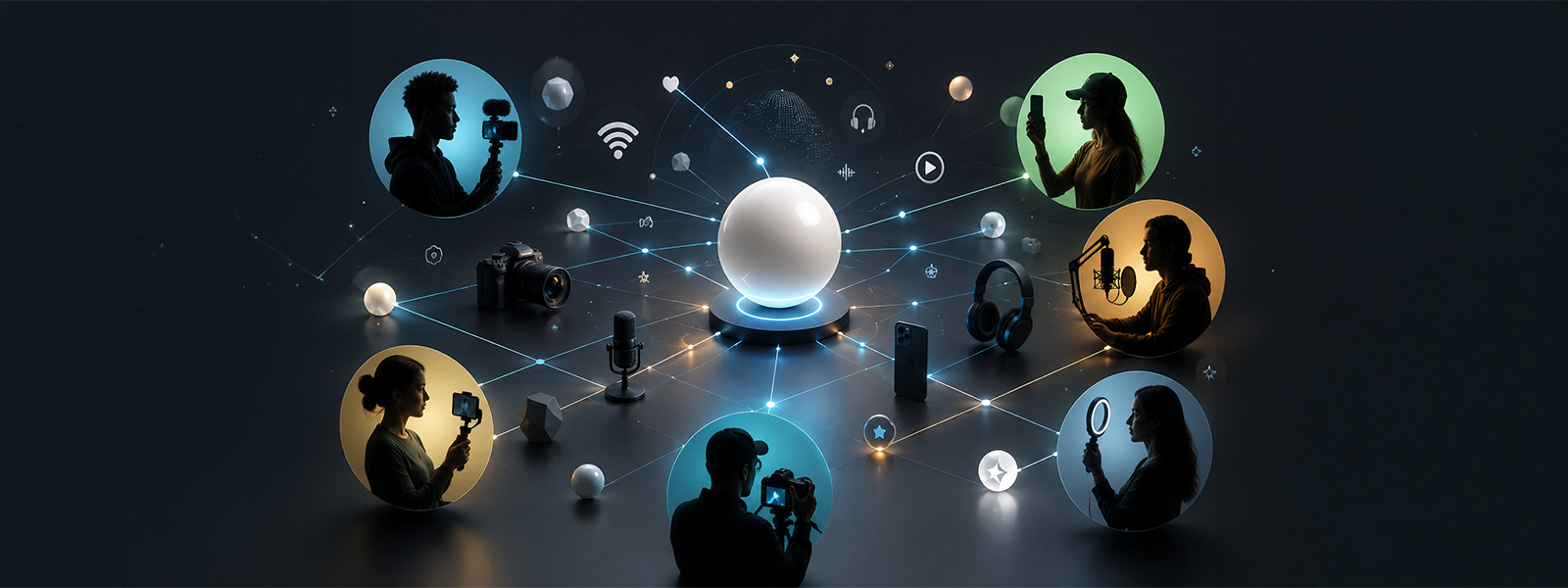
The digital marketing space has changed rapidly over the last few years, and brands no longer rely only on traditional advertisements to reach audiences. Consumers today prefer real experiences, honest reviews, and relatable content before making purchase decisions. This shift has increased the importance of tech influencers across the technology industry. From smartphones and gaming setups to AI tools and software platforms, creators now play a major role in shaping public opinion.
Modern consumers often trust recommendations from techfluencers more than polished advertisements because their content feels authentic and experience driven. This has transformed the landscape of influencer marketing in the tech industry. Brands now collaborate with creators not only for visibility but also for credibility and community reach. Understanding how this ecosystem works is essential for companies that want meaningful digital impact and stronger audience connections.
Understanding different types of tech influencers
The world of tech influencers is much broader than product reviews. Different creators focus on different audience groups and content styles. Understanding these categories allows brands to choose partnerships more strategically.
- Gadget review creators: These creators focus on smartphones, laptops, accessories, wearables and smart home devices. Many gadget influencers create comparison videos, unboxings, and detailed reviews that influence buying decisions. Their audiences usually look for practical insights before purchasing products.
- Software and productivity creators: These techfluencers focus on apps, AI tools, workflow systems and productivity software. Their content often attracts professionals, creators, and entrepreneurs who want efficient digital solutions.
- Gaming and hardware creators: Gaming creators form a major category within the tech industry. Their content includes gaming setups, hardware performance reviews, streaming equipment and accessories. This audience usually values technical specifications and real performance demonstrations.
- Educational tech creators: These creators simplify complex topics like coding, cybersecurity, automation, and artificial intelligence. Educational content creates strong engagement because audiences actively seek learning-based content.
- Macro and micro tech creators: Some brands prefer collaborations with the top tech influencers for mass visibility, while others work with smaller niche creators for targeted engagement. Both approaches can work depending on campaign goals and audience type.
Understanding these types of tech influencers creates better clarity before campaign planning.
Why techfluencers matter
Consumers today spend a significant amount of time researching products online before making purchases. This is where techfluencers become important. Their content provides reviews, demonstrations, tutorials, and real-life experiences that traditional ads often fail to communicate.
Unlike direct advertisements, creator content feels more conversational and trustworthy. A viewer watching gadget influencers test a smartphone camera or compare laptop performance receives practical information in an engaging format. This creates stronger audience confidence.
The rise of creator driven content has also transformed influencer marketing within the technology industry. Brands now use creators to explain products, simplify features, and connect with communities more naturally. Many consumers even discover new tech products through tech influencers before seeing official advertisements.
For modern brands, creator partnerships are no longer optional. They are becoming a core part of digital communication strategies.
How brands can choose the right techfluencers
Choosing the right creator requires more than checking follower count. Successful collaborations depend on audience relevance, authenticity, and content quality.
- Understand the creator's audience: Brands should first analyse whether the creator's audience aligns with the product category. A software company may not benefit from working with creators who focus only on gaming accessories. Similarly, a smartphone company may gain more value through partnerships with experienced gadget influencers.
- Check engagement quality: Comments, audience discussions, and content saves often reveal stronger audience trust than simple likes. Many smaller techfluencers maintain highly engaged communities despite lower follower counts.
- Evaluate content style: Some tech influencers focus on cinematic product visuals, while others create tutorials or entertaining content. The creator's communication style should align naturally with the brand's image and campaign objectives.
- Review previous partnerships: Brands should study the creator's earlier collaborations before finalizing campaigns. Excessive sponsorships or repetitive promotions can reduce audience trust and affect authenticity.
- Focus on relevance over popularity: Many companies chase only the top tech influencers, but niche creators often create stronger audience engagement and more targeted conversions. The right creator is not always the biggest creator.
A thoughtful selection process creates stronger results within modern influencer marketing campaigns.
What makes a successful tech influencer campaign
A successful campaign requires more than sending products to creators. Strong campaigns focus on authenticity, creative freedom, and audience connection.
- Allow creative freedom: Brands that allow tech influencers to present products in their own style often receive better audience response. Forced scripts and overly promotional messaging usually feel unnatural.
- Focus on storytelling: Successful influencer marketing campaigns rely heavily on storytelling. A creator showing how a device fits into daily life creates stronger relatability than a simple product feature list.
- Prioritize product relevance: The product should naturally fit the creator's content style and audience interests. A mismatch between creator and product often weakens audience trust.
- Build long-term partnerships: Long term collaborations create stronger audience familiarity. Audiences trust creators more when they repeatedly use or discuss a product over time.
- Use creator generated content across platforms: Brands can repurpose creator content for ads, websites, and social campaigns. Creator led visuals often feel more relatable than traditional advertisements.
Successful campaigns focus on authenticity instead of aggressive promotion.
Metrics should track beyond views and likes
Many brands still focus heavily on views and likes while evaluating campaigns. However, these numbers alone do not fully reflect campaign effectiveness.
- Audience engagement quality: Comments, saves, shares, and discussions often reveal stronger audience interest than passive likes. A review video from gadget influencers with detailed audience questions usually indicates higher purchase intent.
- Click through rates: Brands should track how many viewers visit websites, product pages, or app links after creator promotions. This creates better clarity regarding audience action.
- Affiliate sales and promo codes: Promo code usage and affiliate conversions provide measurable campaign performance data. These metrics create stronger understanding of actual purchase behaviour.
- Audience sentiment: Positive discussions, curiosity around products, and repeated mentions reveal how audiences genuinely perceive the campaign.
- Watch time and content retention: A viewer who watches an entire review from techfluencers often shows stronger product interest compared to someone who quickly scrolls away.
Modern influencer marketing requires deeper analysis beyond surface level numbers.
Common mistakes brands make with tech influencers
Many campaigns fail because brands focus on visibility without understanding creator culture properly.
- Choosing creators only based on follower count: Large audiences do not always guarantee strong engagement or conversions. Many smaller tech influencers maintain niche communities with higher audience trust.
- Over controlling content: Audiences follow creators because of their personality and communication style. Excessive control often removes authenticity from the content.
- Ignoring audience relevance: Collaborating with creators whose audience does not align with the product usually weakens campaign performance. Proper research remains essential before partnerships.
- Treating campaigns as one-time promotions: Short term collaborations often create weaker audience impact. Long term partnerships create stronger familiarity and trust over time.
- Ignoring transparency: Modern audiences quickly recognize forced or misleading promotions. Honest communication creates stronger credibility within influencer marketing campaigns.
- Focusing only on the biggest creators: Many brands ignore niche creators while chasing only the top tech influencers. However, smaller creators often generate stronger engagement within focused communities.
Thoughtful planning and realistic expectations create stronger collaboration outcomes.
The future of tech influencer marketing
The future of influencer marketing in the technology industry looks highly creator driven. Audiences continue moving toward authentic and experience-based content, which increases the importance of techfluencers across platforms.
Short video content, live demonstrations, AI generated tools, and community driven content are becoming more common. Many brands now repurpose creator content for advertisements because it feels more relatable than traditional campaigns.
The role of tech influencers will also become more niche focused. Instead of broad audiences, brands are beginning to prioritize specialized communities with higher engagement levels.
Artificial intelligence may also shape creator discovery and campaign analytics in the coming years. Brands may use advanced tools to identify audience behaviour, engagement quality, and creator compatibility more accurately.
Another major shift involves long term partnerships. Companies are moving away from one-time sponsorships and focusing more on creator ecosystems. This creates stronger audience familiarity and brand consistency.
As the industry evolves, techfluencers who maintain authenticity and audience trust will continue shaping consumer decisions across the technology space.
Conclusion
Technology creators have become one of the strongest forces in digital communication today. From product reviews to educational content, tech influencers influence how audiences discover, understand, and purchase technology products. Their role within modern influencer marketing continues growing as audiences seek more authentic and relatable experiences online.
For brands, successful collaborations require more than visibility. They require audience alignment, creative trust, and long-term thinking. Choosing the right creators, tracking meaningful metrics, and focusing on authentic storytelling creates stronger campaign outcomes.
As digital audiences continue evolving, techfluencers will remain central to brand communication strategies. Companies that understand creator culture and invest in genuine partnerships will stay ahead in the rapidly changing technology market.