Everyday content feels approachable because it mirrors real life of people.
Have you ever thought about why watching someone’s ordinary day feels oddly comforting, at times? There’s something really engaging about real routines, quiet moments and every day habits. A “Day in My Life” vlog format thrives on multiple platforms because of the way it unfolds on the screen. It doesn’t rely on drama or perfection but just honesty and presence.
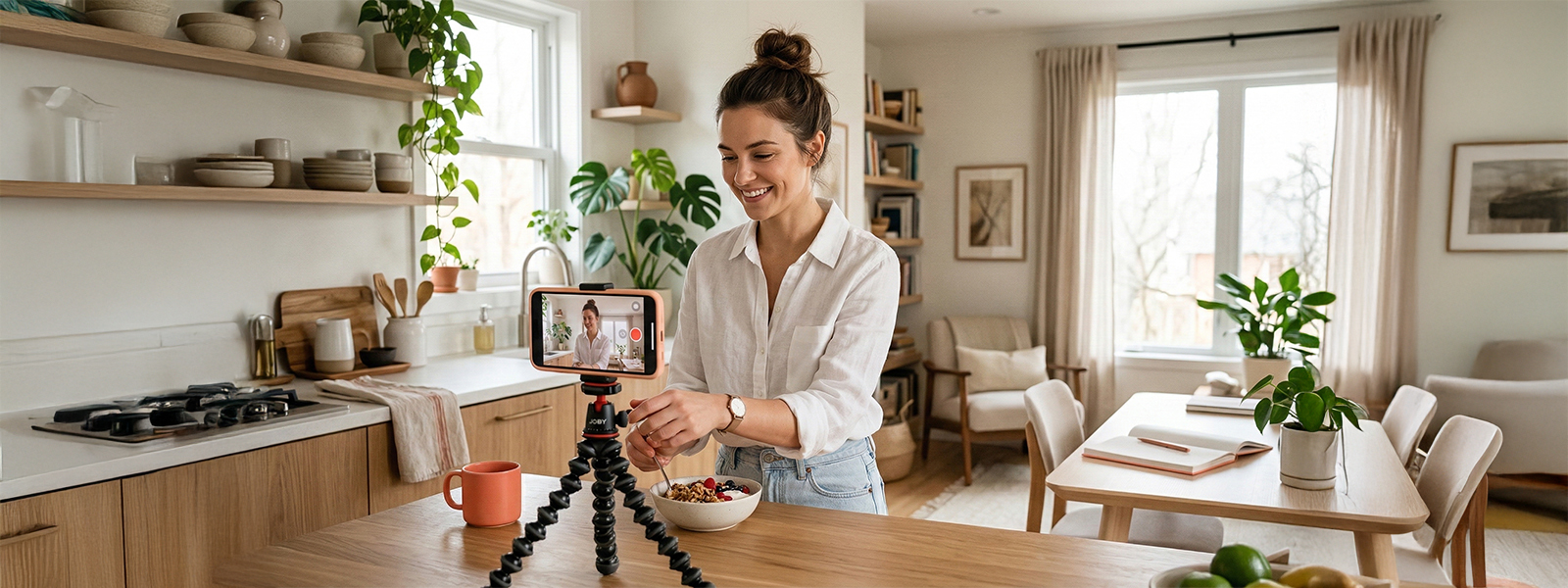
For lifestyle creators, this format creates a bridge between a creator and a viewer. Their audience don’t just watch their content but step into someone’s life for a few minutes. From morning coffee rituals to late-night wind-downs, these videos feel familiar and safe. They reflect life as it is, not as it is staged or expected to be.
In a digital space filled with trends and noise, “Day in My Life” content slows things down. It invites viewers to stay, relate and return to. The emotional ease in these videos is what makes this format powerful, timeless and incredibly effective for lifestyle creators.
Why do people love every day, real-life content?
Everyday content feels approachable because it mirrors real life of people. Viewers see moments they recognize, routines they relate to and emotions they have felt before. This familiarity removes pressure or stress and creates comfort.
Unlike highly produced videos, real-life content doesn’t demand attention, it earns it naturally. People enjoy watching content that feels unfiltered and human. It gives them a break from perfection and helps them feel understood. This emotional connection is why their viewers keep coming back for their content.
How routine based storytelling creates authenticity
Routine-based storytelling works because consistency builds trust and trust builds connection.
- Familiarity: Creators feel real and grounded through familiar routines. When their viewers repeatedly see similar moments, for example morning walks or daily meals, it reinforces honesty and reliability for them. This makes the creator feel even more genuine. Overall, when this becomes consistent, it strengthens emotional credibility among the people.
- Removal of performance pressure: Routines remove performance pressure from a piece of content. Instead of acting for the camera, creators simply live their day which allows authenticity to flow naturally. This ease translates into more relaxed and believable content eventually.
- Storytelling: Emotional rhythm is built through storytelling done on a daily basis. Viewers begin to anticipate moments and feel themselves involved in the creator’s day. The anticipation within them forms a subtle bond rooted in shared habits.
- Lifestyle values: Routine-based content reflects long-term lifestyle values. It shows how creators actually live, not just how they present online. This alignment between life and content builds lasting trust and authenticity over time.
What makes “Day in My Life” videos highly relatable?
Relatability comes from shared experiences and videos like “Day in My Life” are full of them.
- The first reason behind this is emotional honesty. Creators often show low-energy days, small wins or quiet moments which mirrors real life. This emotional transparency makes their viewers feel seen.
- Another reason is simplicity. Ordinary tasks like cooking, commuting or resting feel universally familiar. These moments don’t need any explanation which makes the content easy to consume and connect with.
- Third, the pace feels natural. There’s no rush to impress, just a steady flow of moments. This calm pacing allows viewers to feel present rather than overstimulated.
- Lastly, these videos allow space for imagination. Viewers project their own lives into the content which deepens the overall connection. This is why many creators use this format while experimenting with fresh “Day in My Life” ideas without losing relatability.
How creators naturally integrate brands into daily moments
Any brand integration feels most natural when it blends into everyday life. Firstly, products appear as a part of routine use. Whether it’s skincare, food, fashion or tech, showing products during actual use feels more honest and practical. This also makes brand mentions feel organic.
Secondly, storytelling adds context to the product. Instead of promotion, creators show how a brand fits into their lifestyle. A narrative-driven approach builds trust and interest quickly.
Next, repetition builds familiarity. When a product appears naturally across multiple days, it reinforces authenticity among people without making it seem forced. This subtle exposure works better than direct selling.
Finally, lifestyle content allows flexibility. Brands become a part of several moments. When done right, the audience remembers the experience more than the ad which makes the integration seamless and effective.
Why it drives consistency and long-term engagement?
Generally, “Day in My Life” content is easy to sustain. Creators don’t need new ideas constantly because their daily scenarios itself provides content. This reduces burnout and supports regular posting for them.
For viewers, familiarity builds loyalty. When they feel like a part of any creator’s routine, they are more likely to return. The content becomes comforting to them rather than transactional.
With time, this format builds a content habit for both creator and viewer. The consistency here strengthens engagement, trust and long-term growth without even a need to chase trends.
Conclusion
The “Day in My Life” format works because it prioritizes real connection over performance based on a script. It captures everyday moments that feel familiar, calming and human. For lifestyle creators, it offers sustainability, authenticity and creative freedom.
By showing life as it is instead of planned or staged, creators build trust naturally. This trust turns into engagement, loyalty and long-term relevance. Sometimes, the most powerful content is not extraordinary at all, it’s simply real.