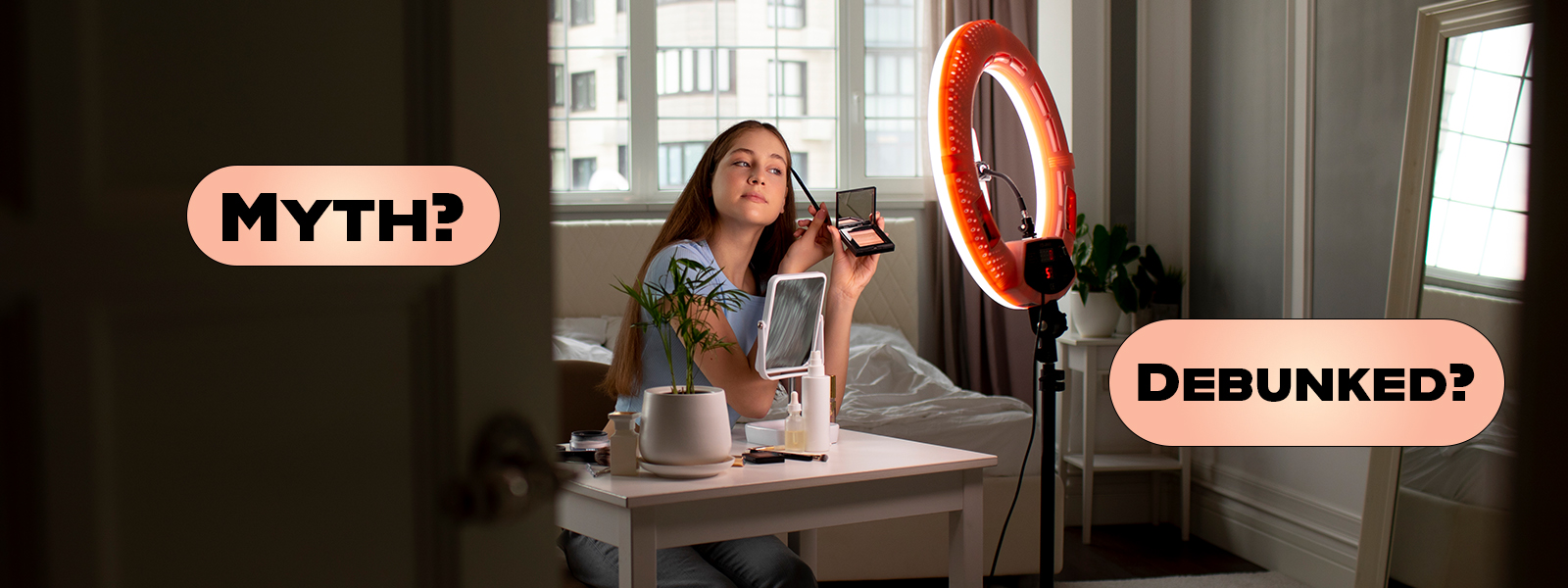
Your brand might already need an influencer marketing strategy, and you might not even know it. Social media have taken the world by storm, making scrolling a regular habit for the audience. The active users not only scroll but also follow social media personalities, aka influencers, to know about product/service reviews.
Here's a catch. With great hype comes the cons, too. There are multiple influencer marketing myths going around in the market, making brands not trust this marketing type.
So, let's quickly check, see, and clear influencer marketing myths.
Top Myths of Influencer Marketing
Despite bringing in great results, the below-mentioned myths are stopping the brands from enjoying the full advantages of influencer marketing.
1. Influencer Marketing is Expensive
Influencers are of four types - nano, micro, macro, and mega. Based on their size of engagement, their rates for product and service promotion change.
However, influencers are mostly open to negotiations with the brands. The contract deal is the majority of the time, beneficial to both parties.
2. It's a Passing Trend
Businesses often underestimate the impact of influencer marketing. Certain brands still think this concept of marketing is a passing trend. But the truth is quite the opposite. Influencers are legit making their living out of this profession and are here to stay.
Big brands like Nykaa, Airbnb, Coca-Cola, and hundreds more have started working with influencers to stay relevant across the target audience.
3. Influencer Marketing is for Big Businesses
Major brands with huge turnover have indeed leveraged this marketing type. But so can small businesses. To start slowly, small businesses can contact nano and micro-influencers that fit a budget and make a good impact.
These small group influencers often have a high engagement rate and bring a huge impact on businesses. Thus, influencer marketing for small businesses does exist and must be taken advantage of.
4. More Followers = More Sales
The number of followers has lost the importance it used to have 5 years ago. Nowadays, influencers and brands both value engagement over followers.
Influencers with smaller follower counts but higher engagement rates bring better results for brands. Therefore, brands are now looking for influencers who are more connected with their audience.
5. Influencer Marketing is Just for Sales
The primary motto for brands is better sales, but it's not the only aim. Influencers have a wide range of audiences, which can give brands new traffic, engagement, and limelight.
Since the influencers are well connected with their audience, they often improve the brand's loyalty in collaboration.
So, these myths are more like influencer marketing benefits for the brands.
How to Avoid Falling for Myths?
Influencer marketing is not just about screaming the brand name and bringing in sales. Sometimes, it can be a subtle and planned whisper that makes all the right noises for the audience to hear.
Instead of falling for such myths and not taking the risk, it's better to frame an influencer marketing strategy, collaborate with the right person, and see the magic for your brand.
Conclusion
We hope these influencer marketing myths are now debunked for the brands. The concept is not only about influencers but involves two more parties, i.e., audience and brands. It's the whole community that gets to enjoy influencer marketing benefits.
Lastly, do remember that a successful influencer marketing campaign works on the 3Rs - Relevance, Reach, and Resonance.