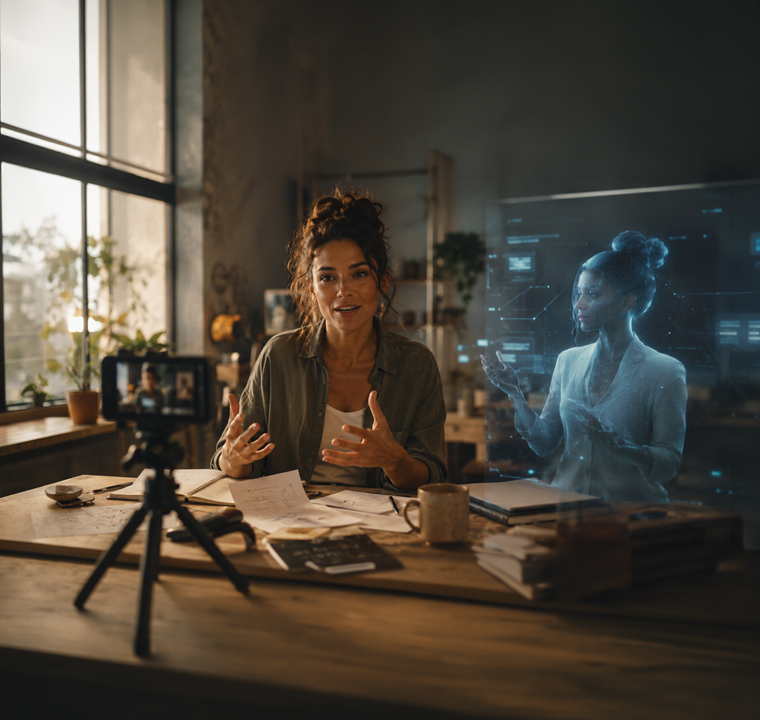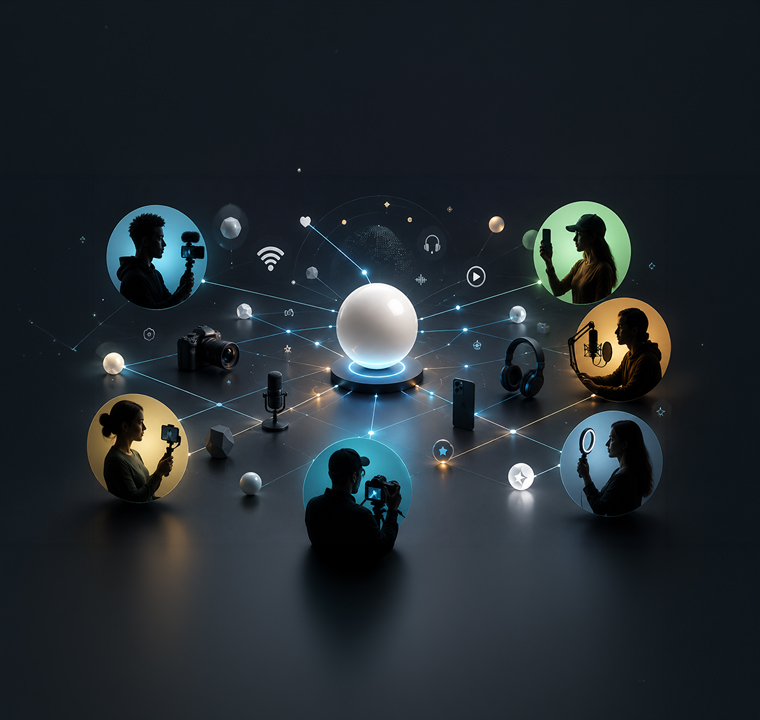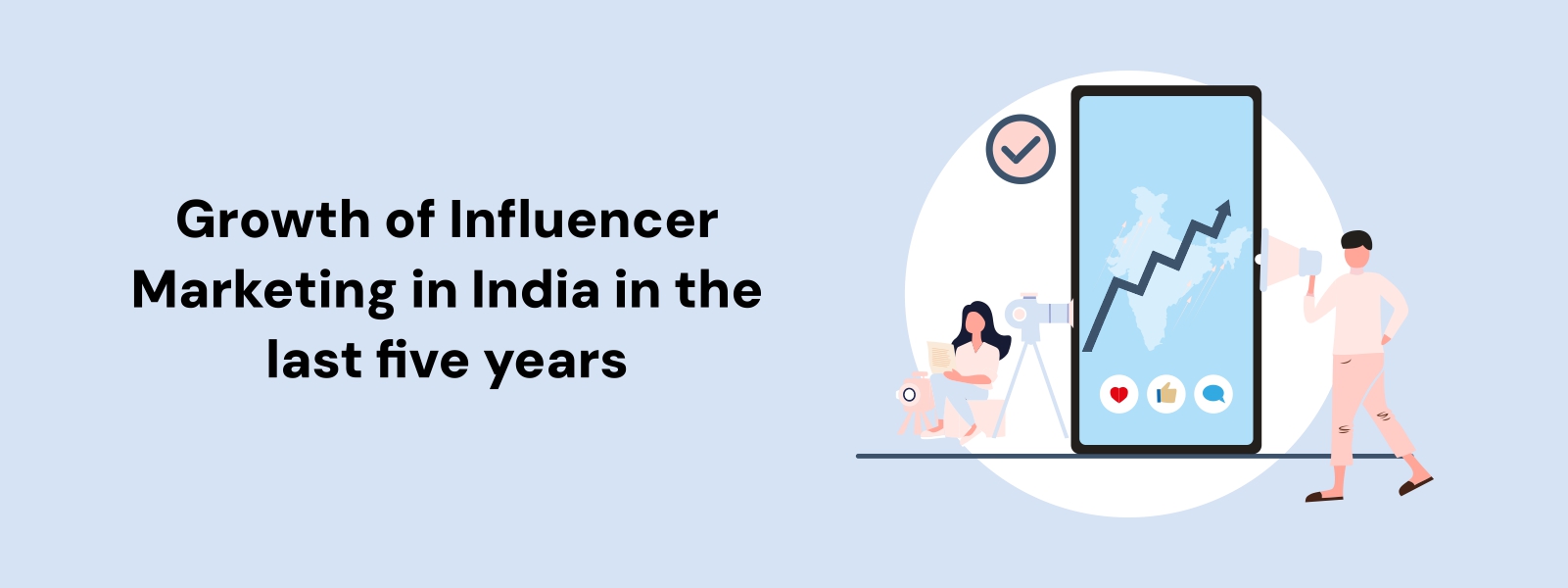
Influencers have impacted buyers' purchasing decisions through their brand collaboration campaigns by creating genuine connections with their audience.
Influencer marketing has been on a growth scale and is continuing to uplift as digital trends progress ahead in the future. Many times, influencer marketing not only promotes products or services but also takes the brand image to another high level by curating the brand into a brand identity with the assistance of influencer marketing and establishing its image in the market audience. Many brands have been successful in launching their brand value to brand identity through Influencer Marketing.
Over the past five years, influencers have impacted buyers' purchasing decisions through their brand collaboration campaigns by creating genuine connections with their audience, asking about their queries, researching their needs, and finally getting them the solution.
In the digital marketing realm, the scope of establishing the brands with customers and influencer marketing has shown positive results; this emphasised successful campaigns for influencers.
Rise of Influencer Marketing across industries
1. FMCG Products- Influencer marketing has become essential to building an online presence. The FMCG (Fast Moving Consumer Goods) products have seen massive growth in their brand promotion.
In 2021, the FMCG companies spent around 31% to 50% of their revenue on influencer marketing. FMCG companies in India like PepsiCo, Hindustan Unilever Limited, Nestle India Limited, Britannia Industries Limited, and Dabur India Limited initiated their collaborations with influencers, and they gradually increased after the COVID period. FMCG companies contribute 30% of their investment to influencer marketing.
2. Beauty and Makeup - The beauty industry and influencer marketing go hand in hand; in 2019, the influencer era began. Forward to 2024, thousands of influencers operate their work in the beauty and skincare industry.
From nano influencers to macro influencers, brands are approaching them for partnership deals. Indian influencers like Komal Pandey, Kritika Khurana, Malvika Sitlani, Mrunal Panchal, Harshala Patil, Urmila Nimbalkar, and Shanice Shrestha are leading in the industry. Brands like Nykaa, Lakme, and SugarCosmetics observed a rise in their turnover due to Influencer Marketing. The beauty sector holds up to 25% of influencer marketing expenditure in the nation.
3. Fashion - Myntra ranks at the top in fashion; it has partnered with multiple influencers, and its strategic collaborations have been game-changing, leading the brand to expose its potential to the audience. Myntra launched an Influencer program wherein many content creators and influencers participated to register themselves.
Through Myntra's sponsored partnerships, the audience is given a specific discount, which was a success as the brand saw massive growth in sales, and its website traffic increased by nearly 45%. In 2019, India's fashion market was 10.1 billion dollars, now 35.3 billion. The growth says it all!
4. Travel and Tourism - Influencer marketing has become a crucial factor in the travel and tourism industry because of its ever-growing partnerships with travel creators and influencers in high demand from potential consumers. Their brand sponsorships help the audience get perks like discounts on travel fares, special hotel packages, early access to memberships, etc.
MakeMyTrip, Goibibo, Trivago, Oyo, and Airbnb have collaborated with various influencers to gain maximum audience share. MakeMyTrip's influencer collaboration perceived a 40% increase in aggregate bookings.
The very well-known Shehnaaz Treasury has partnered with MakeMyTrip, Savi, and Vidit, who are also known by their online name 'Bruised Passports,' and collaborated with Goibibo; it fetched its consumer audience in the campaigns by influencing them to travel to places.
Through the rise of digital travel content creation, many travel companies and agencies boosted their growth rate; 50% of Indian travellers are influenced by online travel content.
5. Health and Fitness - The health and fitness industry has rapidly increased since 2020. Due to the outbreak of COVID-19, people have started paying more attention to their health and fitness. This period was the turning point for many fitness brands to market their Unique selling point to their customers to spread awareness.
Brands targeted influencers like Gaurav Taneja, Saket Gokhale, Kavy, Rohit Khatri, Rohan Khanna, and many others to gain the consumer advantage of their followers. Cultfit observed a 60% growth rate through Influencer Marketing. Several other brands like Fittr, Fast&Up, and HealthifyMe incorporated influencer marketing.
Growth trends of influencer marketing
According to reports from EY, Influencer Marketing in India is anticipated to grow by 25% by the end of 2024, achieving an amount of INR 2,344 crores. 80% of customers make purchases through influencers' referral links and codes, and brands investing in influencer marketing get higher returns on investment due to campaigns, increasing profit revenue.
In 2019, the market-initiated influencer branding and collaborations, although it did not have a clear roadmap to achieve this as these terms weren't so standard. But by 2024, there will be multiple types of influencers so that a brand can cater according to its strategy. For instance, a firm or a startup may collaborate with Micro-Influencers.
Social media is now more advanced than it was in 2019. Instagram is one of the most used social media applications. In July 2020, Instagram launched Reels, a video feature like TikTok: this enhanced video content and its consumption on the platform.
Compared to posts and carousels, reels are promoted as video content and attracts followers. Various brands create creatively engaging reels in collaboration with influencers with unique stories and scripts.
There has been substantial growth in Influencer Marketing agencies in India, which has helped companies align with desired influencers. As the world becomes more digital daily, brands and companies realize the need to digitally advertise their products and services.
Conclusion
The growth of influencer marketing has been noteworthy. Brands have shifted from traditional advertisement to modern digital marketing. The diversification of niches and trends gave influencers a variety of scopes for establishing their image. Brands realized the importance of influencer marketing in influencing consumers' purchasing decisions.
The future of India's influencer marketing is expected to grow and achieve more heights. Digital space has allowed brands to connect with the audience through social media. Hence, influencer marketing will continue to prosper by contributing opportunities for higher reach and engagement of influencers and the brand.