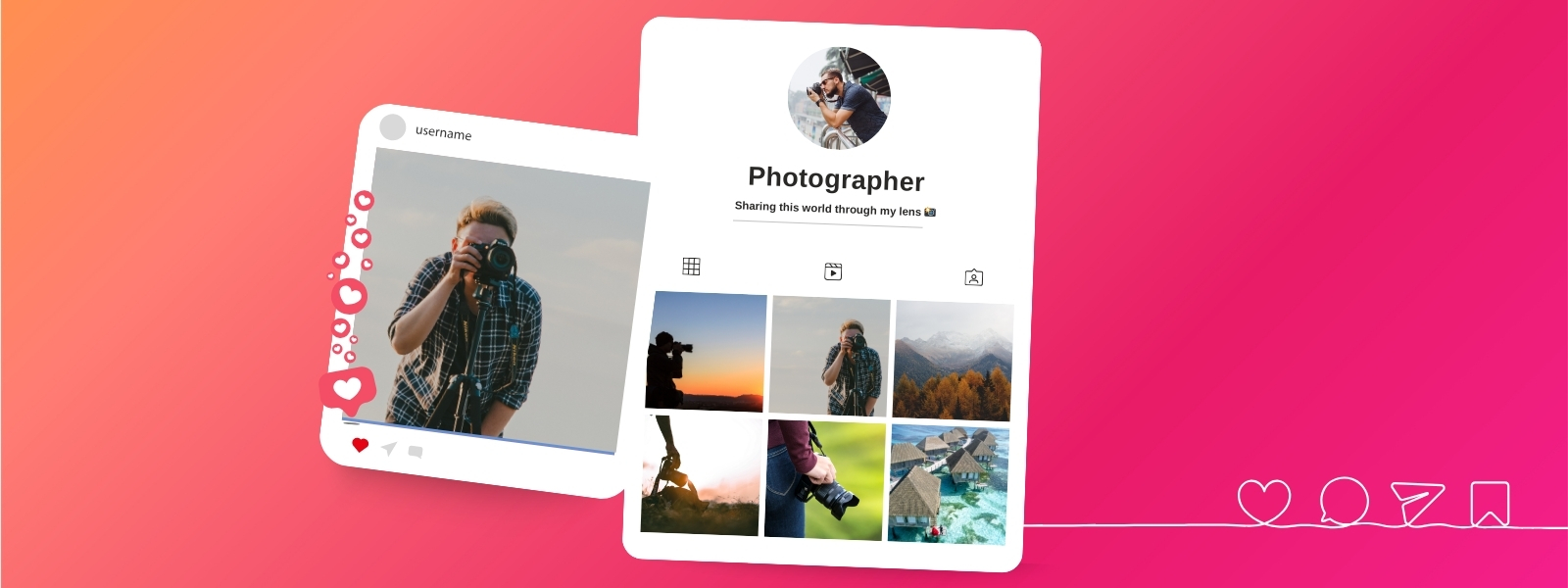
Earlier, known for its photo-sharing app, Instagram, has already made its permanent place as a video-sharing app in the digital space. Since its release in 2010, the app has changed drastically to keep up with digital trends.
The app, once a way to stay in touch with friends and family by sharing photos and updates, is now more of an entertainment and business opportunity. The shift has made Instagram a valuable tool for generating income for brands, influencers, businesses, and marketers.
Let's examine how the photo-sharing app converted to an influencer's platform.
History Of Instagram
As mentioned earlier, Instagram was introduced in 2010, primarily as a photo-based app to get in touch with known people about where one is travelling, what they are doing, and so on. The intention was to keep the app minimal and simple, requiring users to perform only a few actions.
In 2012, the very famous app was now acquired by Facebook (Meta). Down the lane, the app witnessed significant development and involved features of editing, filtering the videos, adding subtitles, audio settings, and so on to make the content more interactive. Introduction of more advanced features like searching hashtags, likes, follows, stories (photo that disappears after 24 hours), and more.
With the addition of video uploading came the advertising and insights features that helped account holders gain information about their target audience and reach. Soon, one thing led to another, and Instagram became a place where small and big business owners could sell and advertise their products.
Key features that bought major shift in Instagram
Here's a brief on several Instagram features that brought a shift on the platform.
The stories followed the 24-hour format, where a text/image/video or any form of content disappears after 24 hours. The feature proved beneficial for marketers and influencers and brought change among the users. This was a new tool that promoted urgency in action due to limited time offers and became advantageous for sellers.
The IGTV feature on Instagram allows users to upload an hour-long video, giving tough competition to YouTube. The content creators now have the option to stick to the same platform and post tutorials and reviews in an extended format.
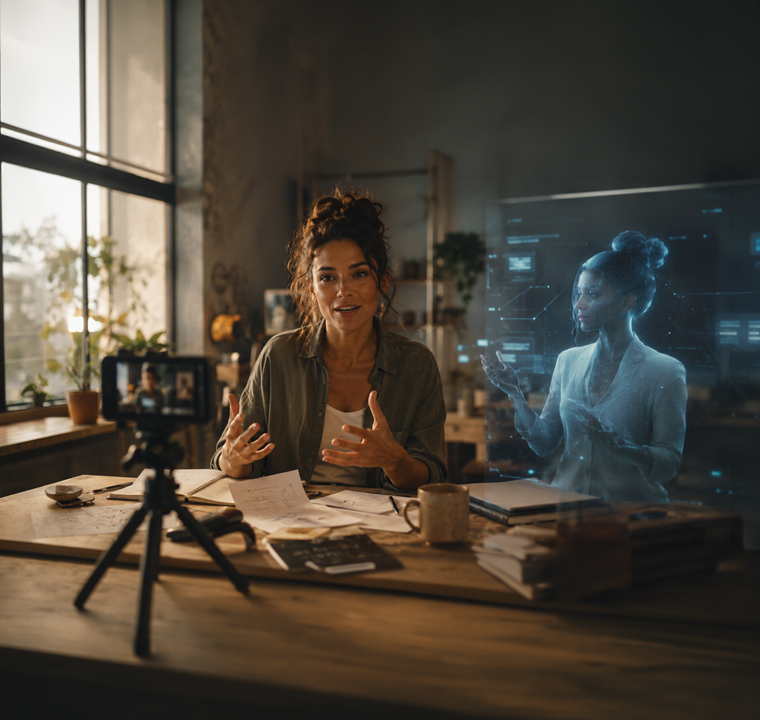
The reel feature is the most significant contributor to the platform change from photo sharing to influencer based. The feature was introduced to compete with another popular app in 2020, TikTok. With reels came many influencers and content creators eager to showcase their talent and build the audience.
This eventually gave birth to the concept of collaboration, where influencers charge an X amount from brands to associate their name with them or promote the products/services.
The huge impact on digital marketing
The conversion of Instagram to an influencer platform significantly changed the brand's digital marketing strategies. Before introducing the reel feature, the audience only cared a little to check the app over a regular period. But, with highly engaging reels, Instagram successfully grabbed the target audience's attention.
Brands' digital marketing strategy now includes terms like Instagram's monthly calendar to plan content for brands and build strong connections with the audience. With the aid of promising features like live streaming and direct messages, audiences are now more connected with brands than ever before.
Using Instagram and influencer marketing to uplift your brand
According to research by Matter Communication, 69% of consumers tend to trust an influencer over a friend or family when it comes to brand recommendations. Hence, the wisest marketing strategy for a brand in the coming years is to trust influencer marketing on Instagram and enjoy its benefits.
Comparison between content generated by the brand for promotion and by the user with reality, the UGC (User-Generated Content) always performs well. Audiences prefer to watch content generated by their favourite influencers in their style rather than brand-generated promotional content in collaboration with influencers.
The key is to give creative freedom to influencers while collaborating and witnessing high engagement with the audience for the brand's product and services.
With changing times, Instagram algorithms tend to change and update. In the initial years, the algorithm supported static images and carousel images. But currently, the platform is pushing reels (short-form video content) more than ever.
The reel format has given the fantastic opportunity for brands to reach a wider audience, grab their attention, and spread brand awareness among their target audience.
The power of influencer marketing is not limited to social media platforms. Multiple up-and-coming personalities who are doing well in the digital space often earn a prestigious mention in magazines and popular platforms. A link back on such a platform can act as a high-quality backlink, improving your brand's SEO status.
Now you know how Instagram has undergone multiple changes since its introduction and how brands like yours can take all the right advantages.
Conclusion
When the Instagram app began to catch the hype in the market, users tended to carefully click, edit, shoot, and post photos on their grid. Every photo followed a preset and editing pattern from themes to aesthetics to give it an exquisite result.
Well, gone are those days. Now, audiences prefer raw and unfiltered versions of people to entertain them with creative ideas. Therefore, brands must keep up with the changing trends and utilize this high-value asset to avoid losing customers in this highly competitive market.