Have you ever wondered what really happens behind those glossy outfits you scroll past every day? For many, the world of fashion stops at the product page but for sustainable fashion content creators, it begins there. These creators use videos, posts and conversations to unpack supply chains, eco-friendly materials and ethical practices used by sustainable fashion brands.
Their sustainable fashion content pushes us to question not just what looks good, but what actually does good. They share stories about workers, materials, planet-friendly practices and long-term durability.
As consumers become more conscious, sustainable fashion influencers are guiding us toward smarter choices. Through education, transparency and creative storytelling, these pioneers are redefining what styling really means. On top of that, the impact spreads well, one informed outfit at a time.
Simplifying sustainability for everyone
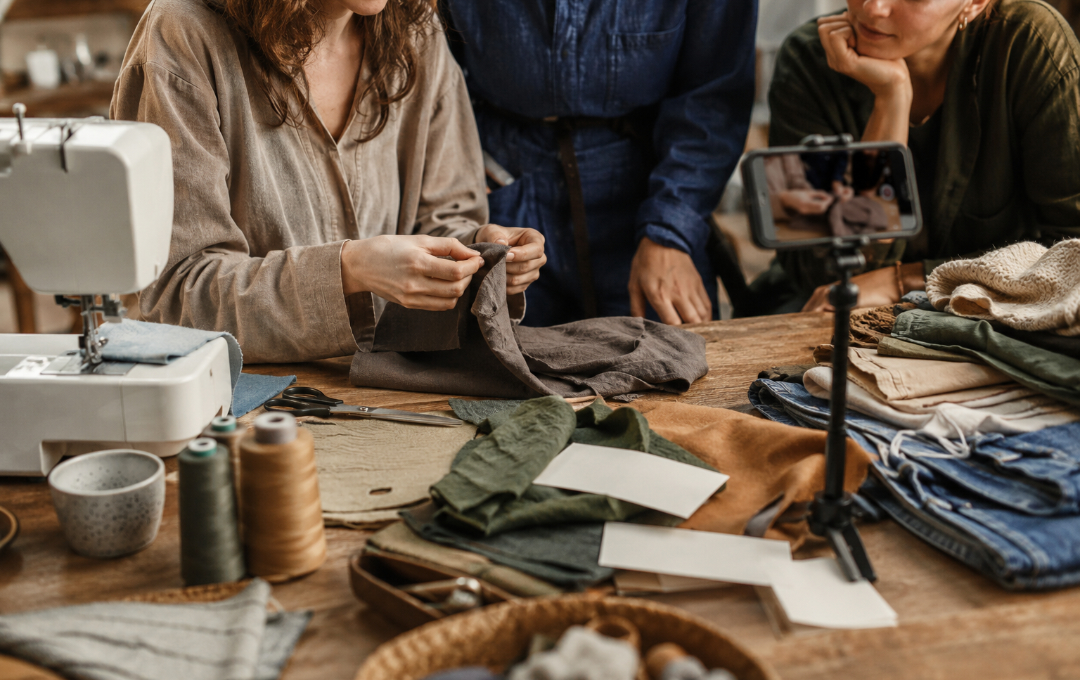
Complex terms like “organic cotton,” “circular fashion,” or “carbon footprint” can feel overwhelming. Smart creators break them down simply. They use relatable terms, especially metaphors like comparing a “slow-fashion shirt” to a reusable water bottle that lasts years instead of a single use.
They produce bite-size content like one-minute reels, carousel posts or simple captions explaining why a modest price might reflect fair wages or eco-friendly production. Instead of jargon, they use everyday language which is why their audience find them easily understandable.
They also show cost over time in several ways like comparing a cheap fast-fashion piece that loses shape after wash vs. a sturdy sustainable garment that lasts seasons. This clarity helps their viewers understand long-term value, not just instant gratification.
By making sustainability accessible, creators demystify ethical fashion and invite even hesitant viewers to care about fabric choices, labour ethics and environmental impact. Education becomes stylish and inclusive this way.
Showing the real story behind clothes
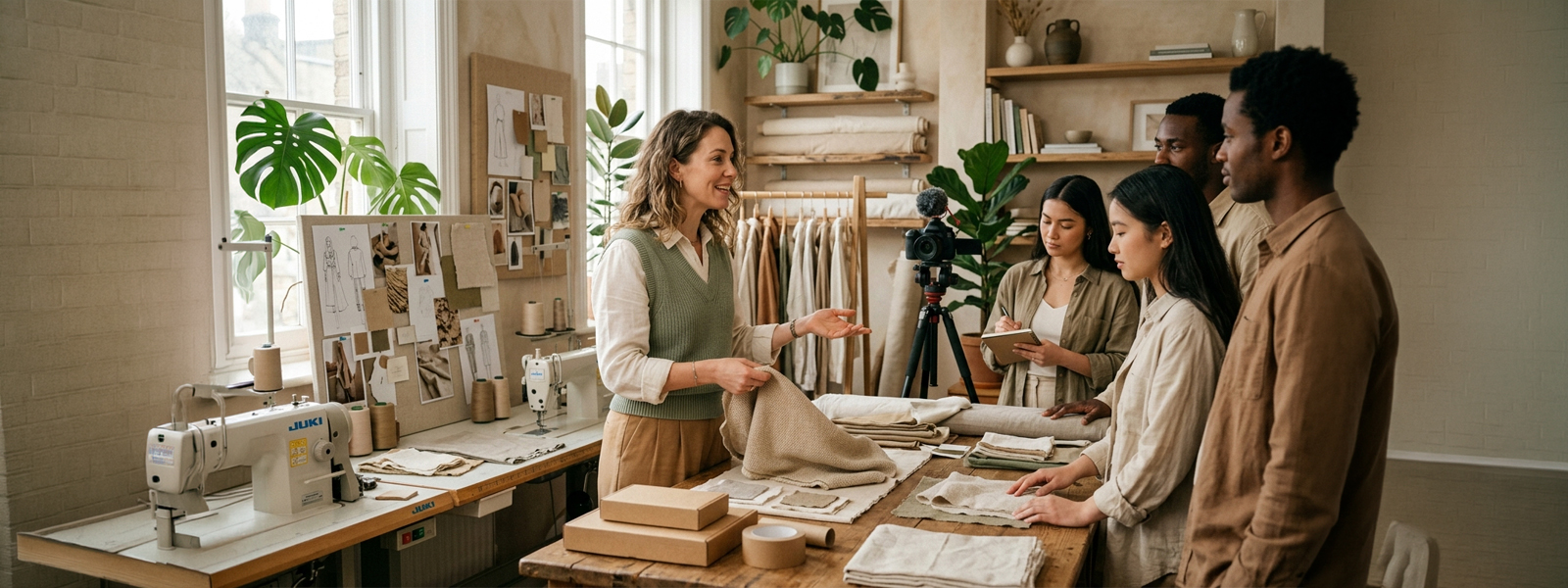
- Behind-the-scenes tours: Creators take viewers into fabric mills, artisan workshops, dyeing units and even recycling centres. These raw spaces reveal how materials are actually sourced, processed and shaped into garments which highlights the real labour that goes into every piece.
- Featuring real makers: They film tailors, weavers and factory workers at work while showcasing their skills, efforts and craftsmanship. By putting faces to the hands behind clothing, creators shift attention from the product to the people who create it.
- Documenting every production stage: Instead of just polished visuals, they show each and every step: sourcing raw fibres, weaving fabric, pattern cutting, stitching and quality checks. Imperfections, repairs and repurposed pieces are included too which offers an unfiltered picture of production.
- Revealing the hidden cost of fast fashion: These honest glimpses contrast sharply with mass-produced and low-cost items. They help viewers understand why ethical pieces cost more and why sustainability matters beyond trends.
- Sharing artisan stories: Many creators interview workers, artisans or small manufacturers. Their experiences, challenges and pride make clothing feel human instead of transactional which is what appeals to their viewers even more.
- Forming trust through authenticity: By showing reality instead of glossy marketing, creators help their audience value garments as stories and livelihoods, not disposable products.
Teaching smart styling and reuse
- Multi-way styling tutorials: Creators show how a single piece can be worn for different occasions. For example, a casual daytime look, a polished office fit or a night-out outfit. These demonstrations highlight versatility, save money and reduce unnecessary purchases.
- Garment care and maintenance tips: They teach fabric-friendly washing methods, proper storage and how to repair or refresh worn-out items. Simple habits like fabric shaving, gentle detergent use or careful ironing can help in extending the life of clothes.
- Upcycling and repurposing ideas: Creators convert old T-shirts into tote bags, turn oversized shirts into dresses and transform outdated pieces into trendy new fits. These DIY hacks encourage creativity while cutting down textile waste.
- Wardrobe audit guidance: They help their viewers evaluate what they already own, identify gaps and avoid redundant shopping. Audits shift the focus from impulse buying to intentional and mindful fashion decisions.
- Capsule wardrobe challenges: Some creators build somewhere around 10-15 piece capsules and create dozens of outfits from them. These challenges reduce clutter, prove how little you actually need and inspire a more thoughtful fashion mindset.
- Promoting a “buy better” mindset: Through styling and reusable content, creators inspire their followers to value longevity over novelty which makes sustainability stylish, practical and genuinely achievable.
Encouraging conscious choices through community
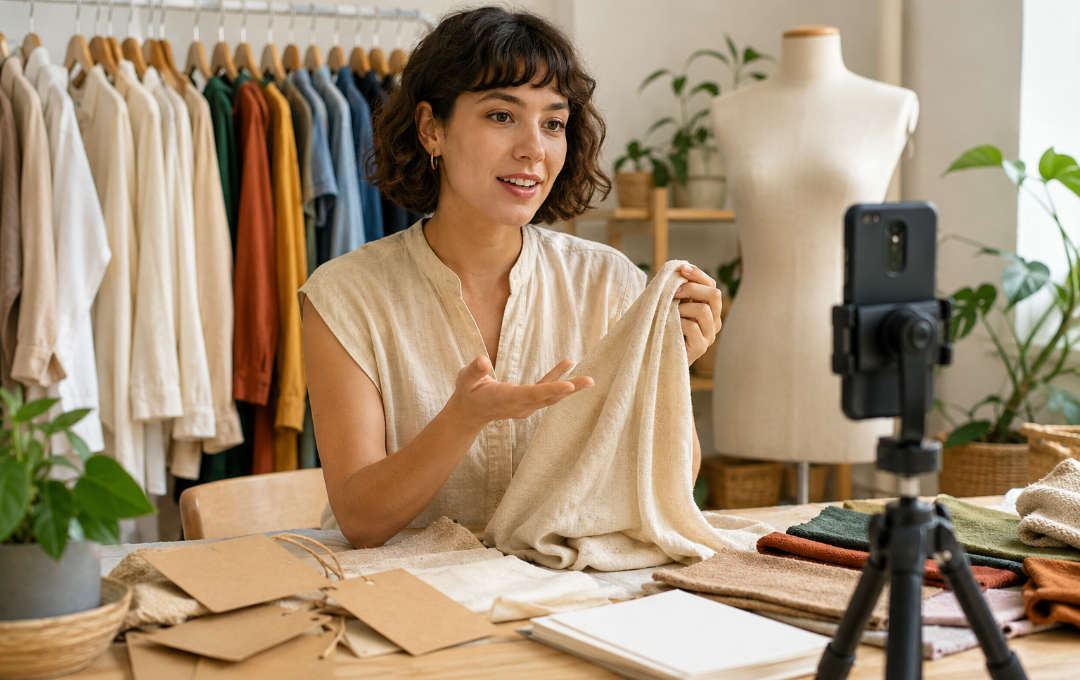
Sustainable creators build communities, small groups of people who care about ethics, planet and style. They run challenges like “30-day no-fast-fashion” or “thrift-flip week,” encouraging followers to pause, reflect and act.
They share user-generated content in which their followers post about their upcycles, thrift finds, wardrobe audits and then creators repost them. This builds a sense of collective movement, not just an individual change.
Some creators host live Q&As with experts. For example, textile chemists, sustainable brand founders, ethical fashion advocates etc. These sessions break myths and answer real doubts. When people feel heard, they care more.
Through support, shared values and transparent dialogue, these communities encourage responsible buying behaviour. It’s not just content but a collective consciousness with style.
Conclusion
Sustainable fashion is not a trend but a movement today. Creators who are leading this movement are more than just influencers, they are educators. These individuals show us that fashion can be stylish, ethical and meaningful as well. When we truly understand where clothes come from, how long they really last and the impact they carry, shopping becomes a thoughtful act, not a mindless scroll.
If you care about your skin, your style and your planet, following sustainable fashion creators can change how you dress, consume and live your life. It’s not just style; it’s a responsibility is what they teach. Ready to make your wardrobe meaningful?