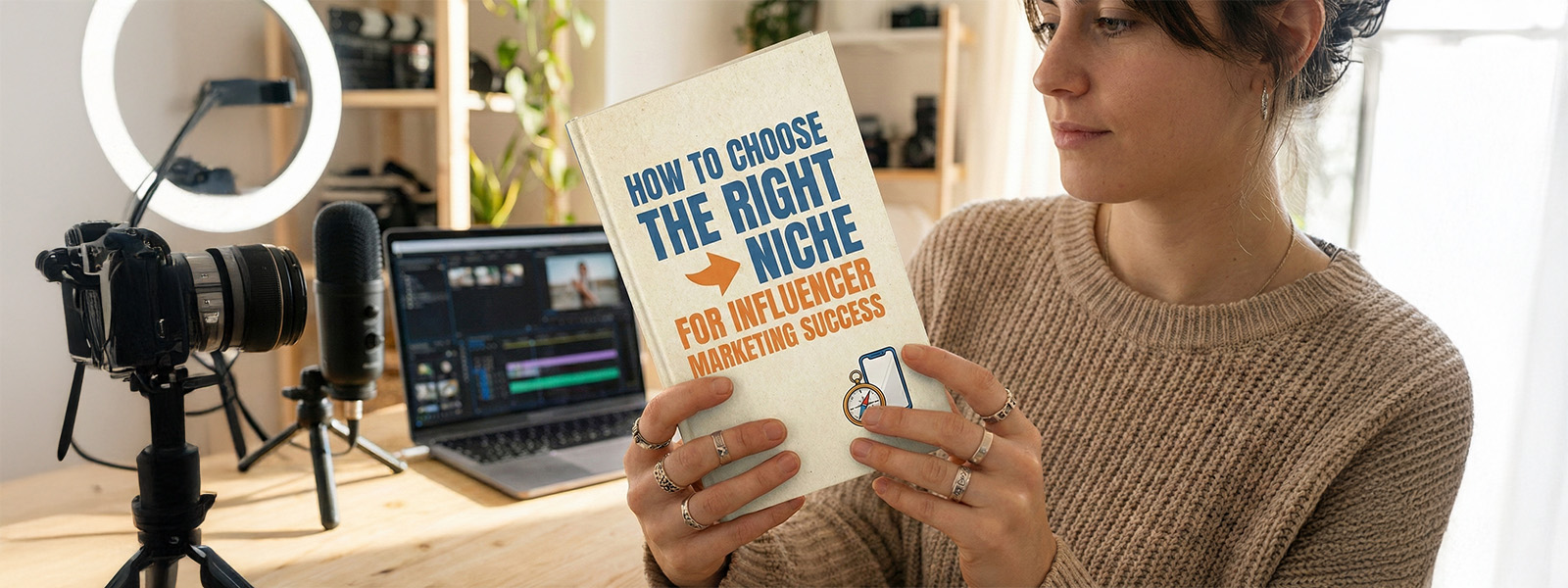
Finding the right niche for influencer marketing success can be a daunting task. Months of research and no guarantee of hitting the perfect audience fit. The process of finding the best niche for influencer marketing is not about picking popular creators but selecting influencers whose values, beliefs, audience demographics and content style goes well with your brand.
A significant key to this is observing how well a niche connects brand message to the people who actually need it. The best niches for influencer marketing tend to communicate brand purpose and information well to its target audience. However, it’s not easy or simple. Therefore, we have brought you a detailed guide on how to choose the right niche for influencer marketing success.
What are your marketing goals?
Before exploring niche influencer marketing, it is important for brands to understand their marketing goals. Ask questions like, “what is the purpose of this campaign?”, “how will the campaign benefit our brand?” Your marketing goals will decide which niche will best suit for maximum results.
Consider the following factors to clarify your marketing goals:
- 1. Brand awareness: If your marketing goal is to make people aware about your brand, select broad niches like lifestyle-focused niches.
- 2. Engagement and building community: In case your niche influencer marketing goal is to strike conversations and build a community, select influencers who have better engagement rates like number of likes, comments and shares.
- 3. Sales or conversions: If your goal is to increase sales or conversions, pick popular niches where your target audience trusts product recommendations like tech, beauty, fashion and so on.
- 4. Reputation or credibility: If your goal is to increase credibility or enhance reputation among your consumers, collaborate with industry experts and specialists.
- 5. Loyalty and retention: If your goal is to build loyalty and increase retention, focus on selecting influencers who have a loyal community. Nano and micro influencers are good considerations for loyalty building.
Who is your target audience?
Knowing your target audience is important for selecting the best influencer marketing niches. Consider going beyond age and gender. Observe their lifestyle, analyse their routines and interests. Look at what motivates them. Ask yourself, “what keeps them going?”
List down the types of influencers they follow. Check for the types of content they consume on a daily basis. Eventually, check if your brand solves any of the problems they are experiencing. When you are aware of your target audience, finding the right niche becomes easy.
For example, let’s assume you want to target young professionals and career-focused individuals. Consider productivity or career-development influencers for best results. Similarly, for Gen Z generation having fast fashion style, consider contemporary styling and beauty niches.
An impactful niche influencer marketing strategy communicates brand values well to its audience. It connects them perfectly. The better your chosen influencer’s audience align with your target audience, the more powerful your campaigns will result into. Remember, your purpose is to reach the right people, not everyone in the market.
Search for relevant influencers
After defining your marketing goals and target audience, move to searching relevant influencers. Find influencers who truly represent your brand. Take your time and don’t rush this process. Remember, this is one of the most important steps to make your campaigns successful.
Below are some of the smart ways to find influencers:
- 1. Use discovery tools: The internet space consists of several influencer discovery tools today. Use them to surf relevant influencers.
- 2. Surf social media hashtags: Check social media hashtags based on your marketing goals. Focus on selecting niche-specific hashtags like #fitnessinfluencer, #carenthusiast or #techvlogger etc.
- 3. Explore your followers: For understanding relevancy, explore some of your most loyal followers following list. Check if they already follow micro or macro influencers that you can consider.
- 4. Check your competitors: Analyse your ideal competitors. Look at the type of influencers they are collaborating with. Consider similar influencers for relevancy.
- 5. Use Google or YouTube: Google is a great search engine for finding bloggers while YouTube is excellent for searching vloggers or video creators in your industry. Check them as well.
Analyse and select influencers
After shortlisting relevant creators and influencers, move to analysing them thoroughly before final selection. Dig deeper into their content quality, consistency, engagement and more. Consider the following points overall:
- 1. Engagement rate: Check if their followers are actively responding to their posts. Are they consistently liking, commenting and sharing their content? Analyse their engagement rates.
- 2. Audience demographics: Check their followers’ demographics like age, location, interests, online behaviour and more. Look into whether they align with your target audience or not.
- 3. Content quality: Consider learning whether their tone and style align with your brand tone and aesthetics. The more the similarities, the better the collaboration results.
- 4. Authenticity: Observe if the shortlisted influencers genuinely love the products they promote and suggest. Authenticity is the key to influencer marketing success.
- 5. Previous work: Lastly, analyse their previous work, especially collaborations. Did they give significant results? Were they worth the investment? Ask these questions to analyse their past work.
Always track and measure
After you are done with selecting your most suitable influencer, set clear metrics for influencer marketing before launching your campaign. Clarify your KPIs (key performance indicators). Use tools to predict the success of your campaign. Monitor results precisely once your campaign goes live.
Conclusion
The process of choosing the right niche for influencer marketing is all about aligning brand, influencer and audience well. A strategy that syncs them perfectly is definite to bring success. The best influencer marketing niches for a brand doesn’t have to be trendy rather authentic and relevant to the brand’s story.
With clear goals, right tools and regular tracking, you can find most suitable influencers who can drive powerful results. Remember, the success of influencer marketing campaigns doesn’t come from the loudest noise but from the most genuine partnership.