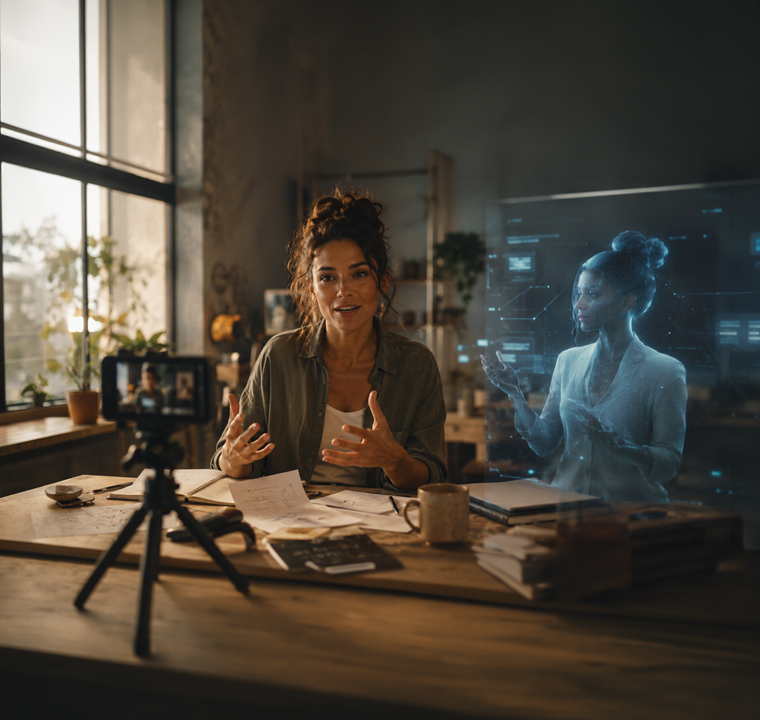
Why do you think some creators instantly grab your attention the moment they appear in front of camera? In 2026, people seek real, relatable and confident personalities no matter the platform, content type or format. A powerful on-camera presence is not about perfect looks or filtered appearance but about how you make your viewers feel. With so many types of content flooding the internet space today, creators must stand out through their unique style and voice.
The following camera presence tips will help any creator show up like a pro, connect well and build trust with their viewers easily. Let us understand the most significant yet simple considerations for powerful camera creation in 2026 ahead.
Embrace authenticity over perfection
2026 is the year of authenticity and realness. Today’s viewers immediately notice fake smiles or over-scripted lines. Instead of trying to look flawless, showcase who you truly, genuinely are. Initially, focus on sharing your personality, quirks and behind-the-scenes moments. If you face issues in speaking up in the middle of your content recording, simply laugh it off. Your audience will like it.
Raw and real content gets more engagement because it feels like a genuine human interaction. Some of the key examples include the videos where creators show their messy desks or talk transparently about challenges they face continuously. These types of content gets more love than polished productions. Among some of the top tips on presenting on camera, authenticity is what keeps viewers coming back, not perfect lighting or perfect background.
Master eye contact and lens connection
A creator’s lens is their viewer’s viewpoint. Therefore, looking into it instead of the screen or surroundings will improve the overall connection with them. Speak directly into the lens as it creates a personal conversation with the audience. For example, consider talking to a friend instead of an entire crowd, it instantly feels warmer.
If there is a script involved, try to position it near the lens to maintain connection with the audience. A small trick in this scenario would be to put a tiny sticker or arrow right beside the lens to remind yourself where to look at.
Creating that visual contact is one of the strongest camera presence tips because it builds trust and pulls viewers into your message.
Use confident body language
The posture of a person speaks before their words do. Sit or stand tall. Keep your shoulders comfortable and your chin at a natural level. Avoid stiff body language or posture like folded hands. Instead, use gentle gestures that support what you’re sharing with the viewers. Another key body language consideration is smiling naturally. It boosts confidence and keeps a person’s energy positive.
Moreover, body posture can affect tone and mood. Try to occupy the entire frame comfortably. For creators working in front of camera, confidence doesn’t mean being loud but being grounded, open and expressive. Rehearse yourself doing a power pose before the actual recording. It surprisingly works very well.
Speak with clarity and dynamic energy
Any person’s voice is their biggest storytelling tool. Speak clearly, avoid monotonous delivery and differentiate your speed accordingly. For example, be slower when emphasizing something and quicker when sharing excitement about something. Take pauses in between key points to allow the viewers process your information well.
Add a natural warmth and genuine enthusiasm to capture the viewers’ attention instantly. Low energy can make people scroll away quickly. Therefore, practice by reading scripts aloud or using vocal warm-ups like humming or tongue twisters. Strong delivery is an important part of presenting yourself well on camera. No matter how great the message or information is, tone is what majorly decides whether people actually care to listen.
Storytelling in short attention span
In today’s times, attention spans are shorter than ever. Therefore, try to get to the important part fast. Begin your videos with a hook like a question, a bold claim or a curiosity driven statement. Proceed by breaking your storytelling into mini arcs like base setup, curiosity and payoff. Even if you are considering to post product reviews or tutorials, include tiny stories in between. For example, “Here’s what went completely wrong…” or “Here’s what finally worked!”.
Storytelling keeps all kinds of viewers engaged till the end. It improves the overall retention rate. Think of each video as a mini movie with personality and emotions. This is one of the most powerful camera presence tips that’ll help you make your content unique and memorable.
Emotional expression drives connection
Feel the emotion you want your viewers to feel. From genuinely smiling to expressing with eyebrows or a positive tone can change the whole vibe on screen, depending on the type of content you’ll be posting. Today’s audience immediately responds with attention when they find a creator showing excitement, enthusiasm or vulnerability.
If a creator’s face stays neutral, the content will immediately feel flat, no matter how interesting it is. A simple example of this would be, saying “I’m so excited” with no excitement. It’s an instant disconnect. Strong emotional expression is a secret weapon for better camera creation and deeper engagement on every platform.
Adapt presence to platform requirements
Not platforms need the same style. While YouTube videos allow longer stories and calmer pacing, Instagram reels need quick energy and snappy cuts. Similarly, livestreams need a conversational flow. Therefore, gain a deeper understanding of what today’s audience expects on each platform in your niche and adjust your content tone, frame and delivery style accordingly.
Consider it as performing on different stages. Your presence can be adjusted but your authenticity remains. Smart creators tailor their camera presence according to the latest trends and formats so that their content always feels native and relatable wherever it appears.
Practice, review and improve
Practice makes a man perfect. Therefore, practice as much as possible. Great on-camera presence comes from practice, not luck. Record yourself often. Observe yourself in those recordings. Identify your strengths and weaknesses. Fix and improve those details every time you analyse. Furthermore, notice specific areas like eye contact, filler words, posture, pace and overall facial expressions.
You can also ask your friends or viewers for feedback. Track weekly improvements to stay motivated. With time, you’ll feel more natural and confident in front of camera. The more you show up, the more your audience trusts you. Improvement is the best investment a creator can make.
Conclusion
Being confident on camera is a skill and 2026 rewards creators who feel comfortable, real and engaging. From storytelling to forming an emotional connection, every small change improves how viewers respond to you. These camera presence tips will help you shine no matter where you post. Focus on showing up consistently, embracing your true personality and learning continuously. When you feel good on screen, your audience automatically feels good while watching you. Start applying these tips on presenting yourself on-camera today and watch your camera creation journey grow into something significantly amazing.