Have you been thinking about where the world of creator-collaborations is heading next? In the year 2026, the future of influencer marketing is shaping up to be more dynamic, personal and tech-driven than ever before. Both brands and creators are rethinking what “influence” really means now. They are shifting away their focus from big glamorous stars to authentic voices, forming long-term relationships and developing entirely new formats.
In this blog, we will understand how the influencer marketing future is evolving while covering niche-based creators, AI avatars, fresh channels, deeper community ties and much more. We’ll also learn about what all of this means for the future of influencers.
The rise of micro and niche-based creators over celebrity influencers
In 2026, the influencers’ future is not going to be about celebrity names with millions of followers. Rather, budding creators with tight-knit and engaged audience will take the centre stage. According to one marketing report, nearly three-quarters of agencies believe micro-influencers will outperform celebrities because today’s audience values authentic expertise and community connection over fame.
Why did this shift occur? Well-established influencers often bring reach but not necessarily relevance. Micro or niche-based creators live and breathe a subject. Their followers trust their insights and the overall engagement tends to be greater and much meaningful. For example, a niche fitness creator with 30K followers talking every day about home workouts may drive more action for a health brand than a celebrity with 3M followers who posts rarely.
For brands, this means changing selection criteria rather than focusing purely on follower counts. To be more specific, it is extremely important to consider the relevance of the topics used in content, the vibe of the community, the quality of the comments and long-term alignment.
In short, for the future of influencer marketing, expect budding voices, tighter communities, more trust and less glamour.
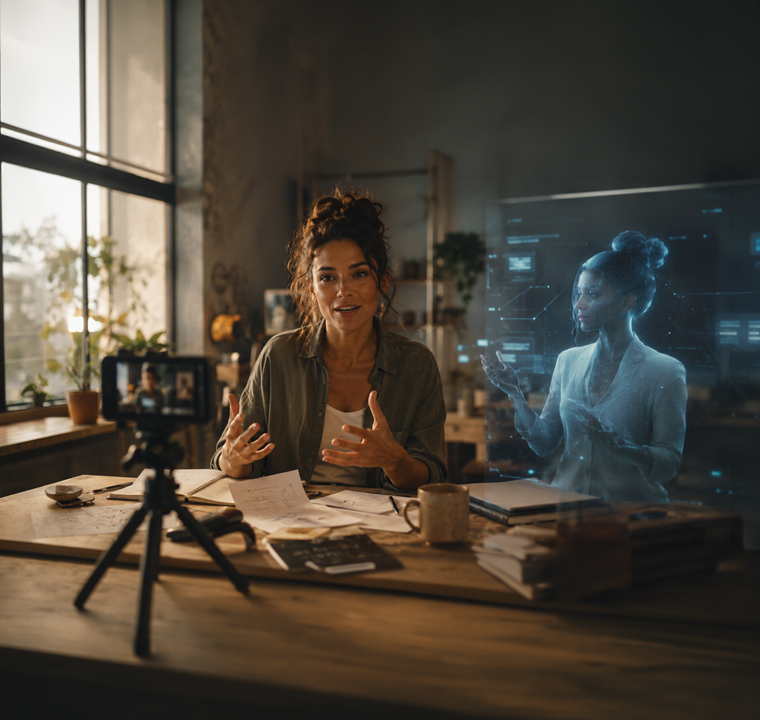
Emerging technologies: AI, virtual influencers and automation
Together, these tech trends reflect that the influencer marketing future won’t just be more of the same with bigger budgets, but it will be smarter, more automated, more immersive and more experimental altogether.
From one-off campaigns to long-term creator partnerships and community building
Influencer collaborations are changing massively in very little time. It has now moved beyond quick giveaways or single and plain posts. Several brands and creators are focusing on their ongoing relationships and community-centric efforts. In future, brands will pick more creators who posts consistently and have the capability of becoming a part of the brand story instead of someone who just posts once and stays off for a long time every now and then.
A detailed explanation of the scenario would be:
Platform, format, and channel diversification in influencer marketing
Conclusion
The future of influencer marketing in 2026 promises to be more authentic, tech-infused and community-centred than ever before. As the influencer marketing future evolves with time, creators will no longer just push posts, but they will rather start building tribes, co-creating with brands and mapping across platforms in dynamic ways.
The future of influencers lies in budding voices with deeper connection, smarter use of technology, long-term relationships and bolder format choices. Both brands and creators who embrace this shift will not just keep up but they will lead the next wave of creative and extremely meaningful influence.