As millennials and Genzs are becoming the purchase decision makers, brands no longer have the option to not be on social media. One of the critical marketplaces for any product/service is having a solid presence on social media platforms. And for brands, one of the easiest ways to grab the attention of their target audience is influencer marketing.
Brands can identify influencers with similar audiences and easily reach them by collaborating with the said influencer. Whether you're into service providing, product selling, or even DIY products, influencer marketing can be your go-to social media strategy to get the best return on investment.
What does DIY mean?
As you might already know, DIY stands for Do It Yourself. Thanks to social media platforms like Instagram and Pinterest, the DIY sector has witnessed immense growth in the last few years. With time, people have found DIY products and markets to be economically beneficial and also a fun way to spend time with their near and dear ones.
Activities like planting, decorating, building, sewing, etc, fall under the DIY sector, and thus, brands offering products in such niches are equally essential in the DIY market. One of the most popular brand examples for DIY products is Ikea, which offers fashionable products that consumers are required to assemble and enjoy.
Building a product with a manual guide on its own give users a proud feeling, connecting them more with the said brand. As we're here discussing marketing strategy, let's have a look at DIY influencers and their role.
Who are DIY influencers?
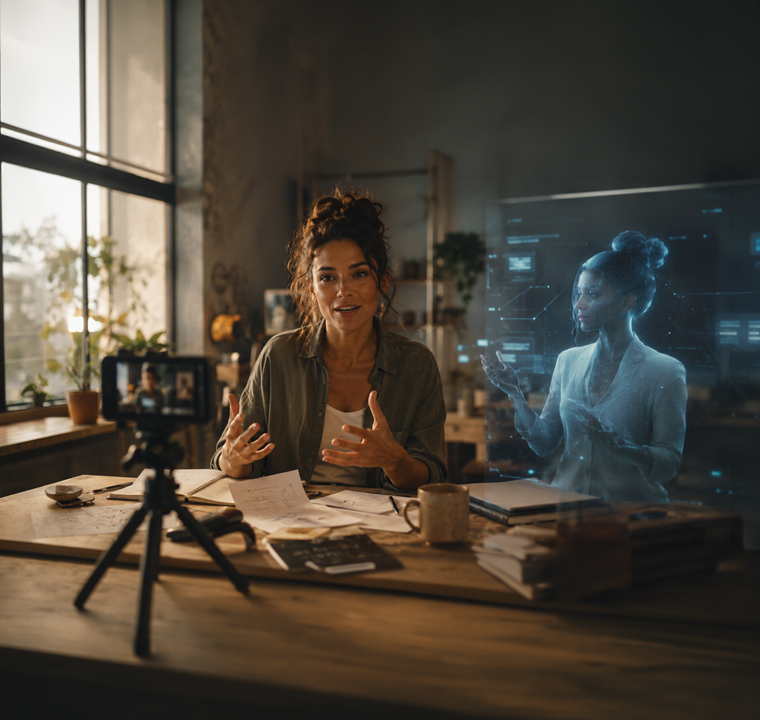
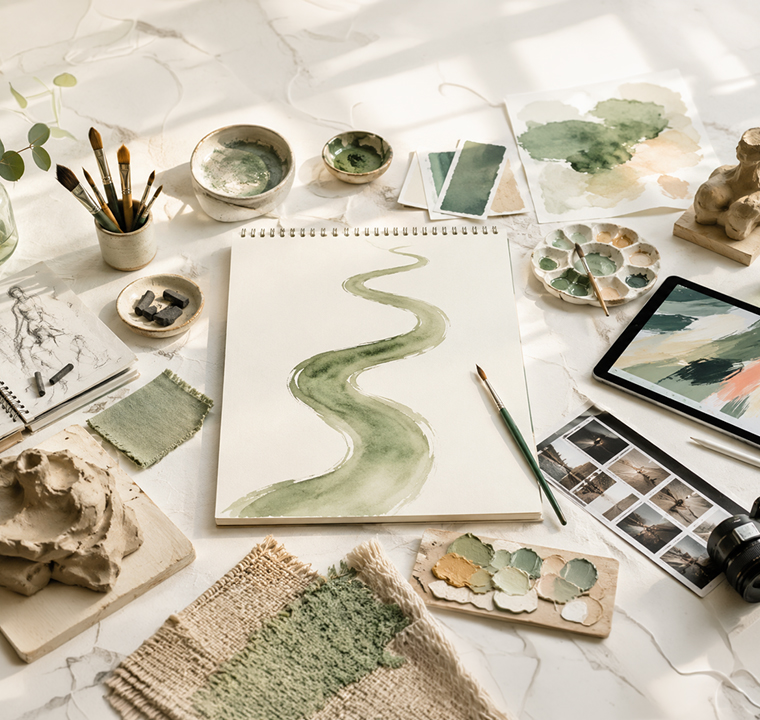
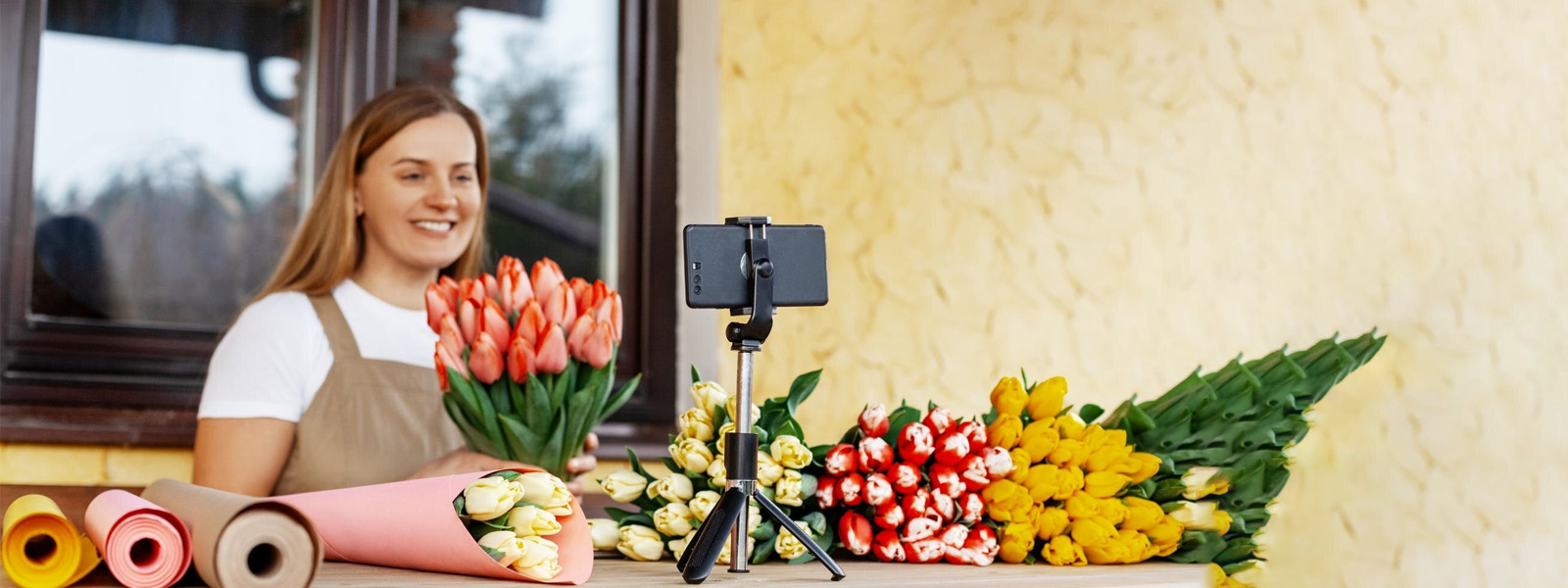
DIY influencers are individuals with social media accounts who post about DIY projects and products and inspire followers to try them out. Their content revolves around building products in home decor, fashion, crafts, and stuff.
Audiences can often witness these influencers participating in events and programs of DIY products and promoting the brands offering the same. By sharing relevant tutorials, recommendations, and products, they continue to grow in their creator journey.
How do DIY influencers promote brands?
Influencers are people on social media platforms who are more closely connected with your target audience. They work on the ground level and thus know their way around to convince the audience to try a product/service. Here's how influencer marketing can boost sales in the DIY sector.
Social media influencers know how to put DIY users in the front seat and keep the product/service and brand in the back seat. With the right creativity and fun and engaging videos, they sell the fun to the audience instead of promoting your product directly. This indirect way of promotion leads to better engagement between the audience and brands.
Studies and experiments have shown that users majorly skip direct ads and promotions. Instead, content that connects on an emotional level is successful in catching the attention. By targeting the users' feeling of self-sufficiency and making them feel motivated to perform a task and build the product, they enhance your brand awareness on digital platforms.
A key factor to keep in mind while opting for influencer marketing is to know influencers know their audience better than others. With loose direction and complete creative freedom, they should be given a chance to create content for the audience independently.
This will lead to the collaboration coming across as genuine, and it will not be just a marketing campaign planned only to boost sales.
Current trends in the DIY market
Along with turning to influencer marketing to promote your DIY product, here's your expert guide on current trends in the market.
To enjoy the benefits of influencer marketing is a long-term process. Brands need to build long-term relationships with influencers and engage with their content and accounts to understand their work. A genuine relationship, therefore, takes a long way to the brand.
Conclusion
Consumers are turning to DIY products more than ever. Still, there's a vast uncovered market waiting to be tapped by brands. All it lacks is essential awareness, which can be increased by creating strategic content and collaborating with the right influencers.
As the niche continues to grow, it adapts to new technology, given firm promises of growth and expansion. A shift in perception will be all it takes for the audience to try a DIY product. Thus, the future of the industry will be bright if modern technology and content creation are implemented the right way.