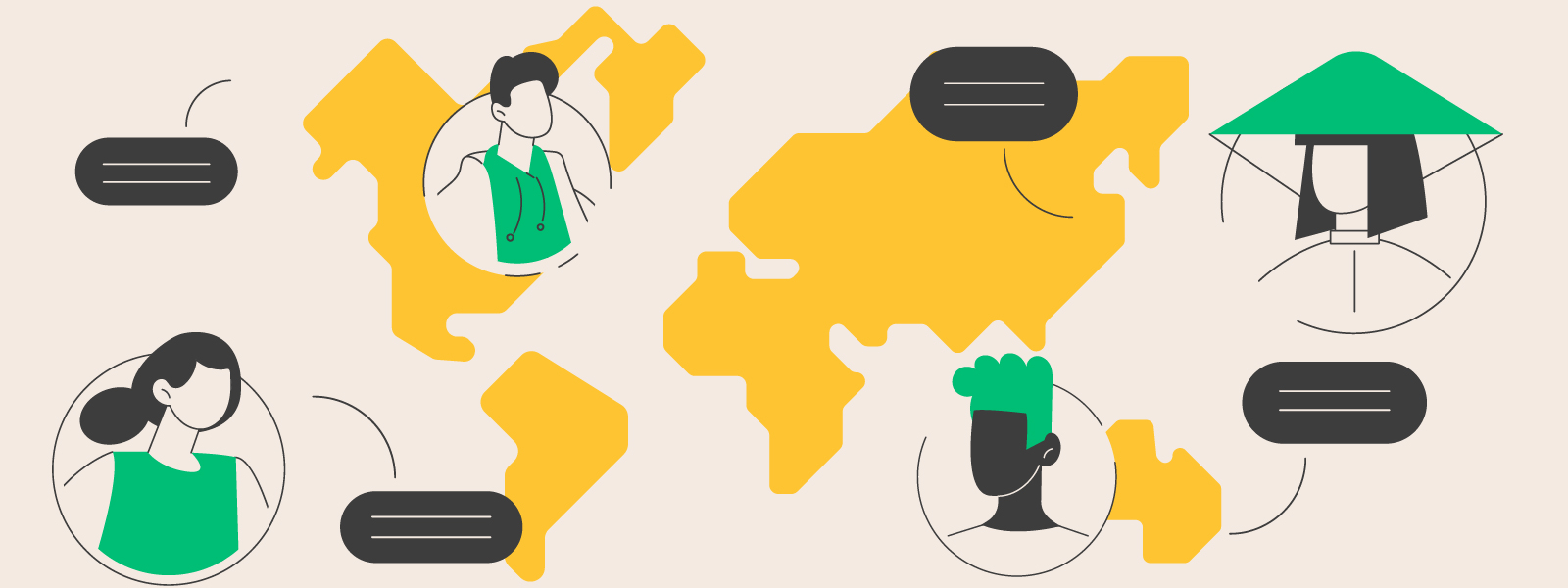
In today’s digital world, influencer marketing has extended beyond the geographical boundaries, allowing brands to connect with audiences from diverse cultural backgrounds. This provides both challenges and exciting opportunities for marketers targeting to create impactful and powerful initiatives and adopting cross-cultural strategies can significantly increases your brand’s global presence.
The Power of Cultural Diversity in Influencer Marketing
Influencer marketing has become an effective means for bridging cultural gaps and developing genuine connections. So, when influencers authentically represent diverse cultures, their impact can be significant. Also, audiences, irrespective of their location, are attracted to content that reflects their values, traditions, norms and aspirations.
Cultural diversity plays a significant role in influencer marketing, improving campaigns and expanding their reach. Brands can connect with a global audience and bridge geographical boundaries by working with influencers from a variety of ethnic backgrounds. Influencers have the ability to create content that resonates to their particular cultural group, ensuring that the message is effective and relevant across cultural boundaries.
Audiences are likely to trust influencers who share their cultural background and experiences, leading to stronger connections and brand loyalty. Influencers ensure that the content respects and is consistent with cultural norms and values by contributing their unique cultural perspectives. Different influencers provide various perspectives and therefore making the content more engaging and appealing to a broader audience. Culturally diverse influencers can create interactive campaigns that involve different cultural practices, traditions, norms, values and languages, promoting higher engagement. Influencers from all cultural backgrounds bring new ideas and innovative methods,
Influencer marketing that considers ethnic diversity into consideration encourages inclusivity and equality. This strategy increases the target audience as well as building deeper connections with other cultural groups that ultimately results in more relevant and successful marketing efforts.
Cross-Cultural Influencer Marketing Strategies
1. Collaborate with local influencers
Collaborate with influencers who have a strong local presence and connect with the cultural values of your target audience. You can find and interact with influencers who represent a variety of cultures.
2. Adapt your content
Change your content to align with cultural norms and sensitivities. This includes language, pictures, and references that connect strongly within the local setting.
3. Respect diversity
In your campaigns, emphasise inclusivity and diversity. Promoting different types of perspectives and experiences contributes to the development of a more inclusive brand image.
4. Use local festivals and events
Coordinate your campaigns with local festivals and events. This not only indicates your brand’s cultural awareness but also emphasises on increased consumer engagement during these times.
5. Communicate two-way
Encourage conversation with your audience. It can help you to deal with the particular requirements and preferences of each ethnic segment by enabling meaningful interactions.
6. Measure and Improve
Make use of strong analytics to assess the performance of your cross-cultural marketing initiatives. Learn from the data, gather insights, focus on feedback and continuously improve your strategies for bettering future efforts.
Famous Influencers Promoting Cross-Cultural Understanding
1. Dolly Singh
Actress and well-known content creator Dolly Singh is well-known for her humorous YouTube and Instagram videos. She often parodies Indian societal norms and stereotypes, giving a funny yet insightful look into Indian culture. Characters created by Singh, like Raju Ki Mummy, have become highly well-known and connect with audiences in India and around the world. Her work promotes better cross-cultural understanding by teaching audiences about specifics of Indian society while also providing them with entertainment.
2. Aashna Shroff
Aashna Shroff is a popular fashion and lifestyle influencer who shares her love for Indian culture through her content. She gives her audience an insight into the beauty of Indian design by often showcasing traditional Indian clothing and jewellery. Shroff talks about cultural festivals, traditions, norms and rituals, guiding her audience about the rich cultural heritage of India. Her content promotes cultural pride and appreciation, promoting cross-cultural understanding.
3. Komal Pandey
Komal Pandey is a fashion influencer and YouTuber known for her bold and innovative style. She frequently combines traditional Indian attire with modern attire to highlight the richness and adaptability of Indian textiles and designs. Her content emphasises cultural heritage while promoting modern fashion sensibilities, encouraging her followers to embrace and appreciate diverse cultural expressions.
4. Lilly Singh (aka Superwoman)
Lilly Singh, also known as Superwoman, is a Canadian Indian YouTuber, influencer, comedian, and television host. Through her content, she often emphasises the challenges of growing up in a South Asian household, mixing humor with cultural commentary. She encourages inclusion and acceptance of other cultures while using her platform to educate her diverse audience about Indian customs, values, traditions and challenges.
5. Masoom Minawala Mehta
Masoom Minawala Mehta is a global influencer and entrepreneur who uses her platform to bridge cultural divides through fashion. She is a European fashion designer who frequently promotes Indian fashion and craftsmanship by showcasing Indian designers and traditional attire on all over the world. She emphasizes the importance of cultural heritage in the global fashion industry, encouraging her followers to celebrate and appreciate diverse cultural expressions.
Conclusion
In the ever-evolving world of influencer marketing, adopting cultural diversity is not just an option; it’s a necessity. Brands that effectively navigate the challenges and take the opportunities of cross-cultural influencer collaborations can create initiatives that go beyond borders and languages. Through customisation of content, collaborating with local influencers, respecting diversity and using cultural events, marketers can establish genuine relationships that engage consumers worldwide.