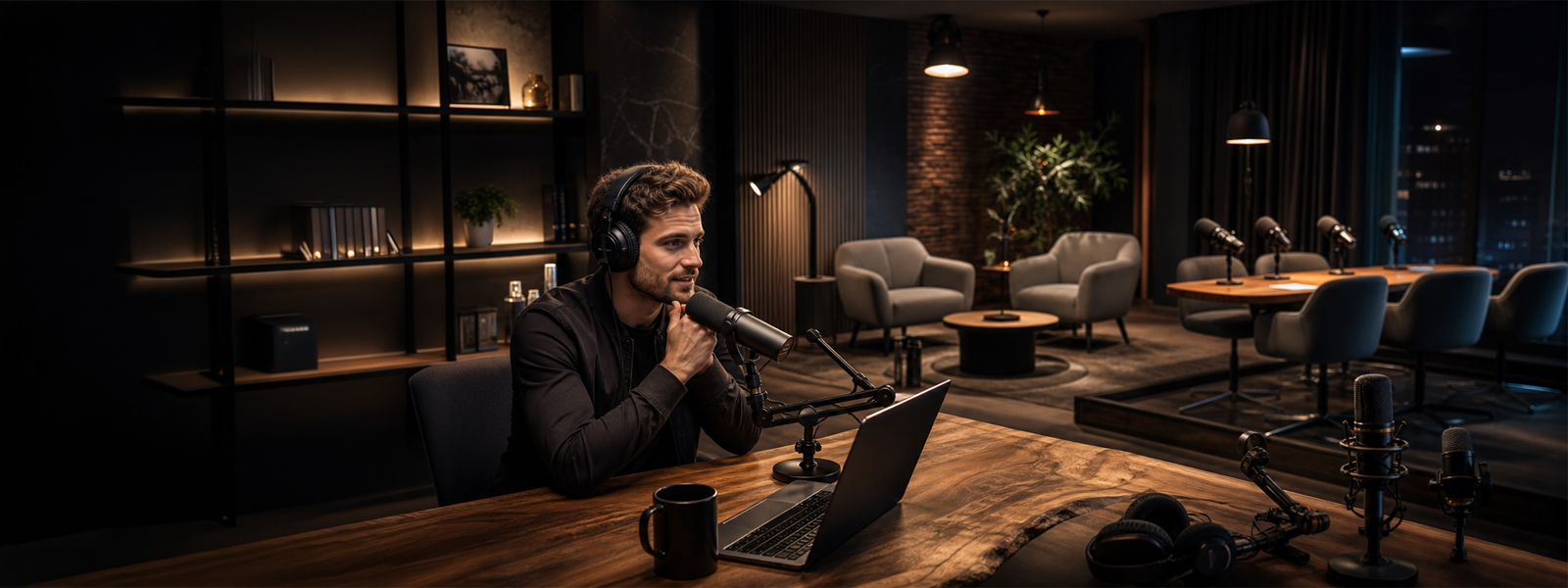
The world of audio-based content has grown bigger and better than ever before. Choosing the right podcast formats is the first major step for any new creator. The way you structure your show decides how you will connect with your listeners. Some people like the energy of a group talk while others prefer a quiet story. There is no single or right way to make a show. However, there is always a way that suits you well.
Understanding these styles can help in building a strong foundation for your creative journey. It also makes your process of production much more organized and fun to manage. Whether you want to teach, entertain or simply share any news, your format is your roadmap. Let’s explore the most popular styles that are leading the charts nowadays.
Interview-type podcasts
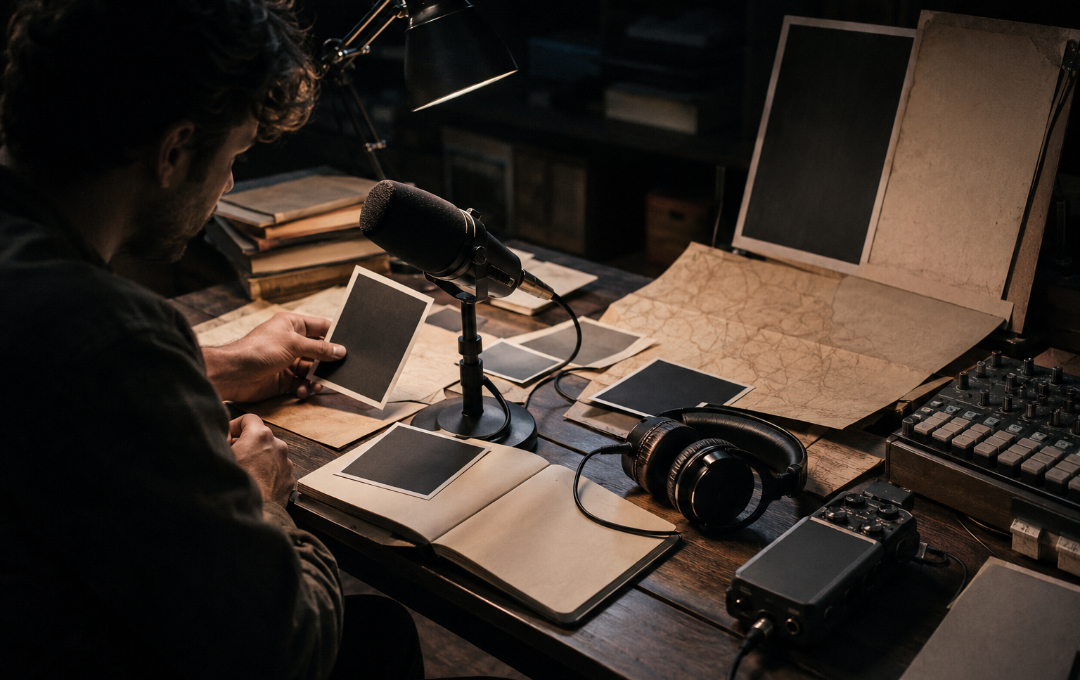
The “interview podcast format” is often called the most “classic” format of all because it is highly effective. In this style, a host invites different guests for different episodes. It is a fantastic way of bringing fresh perspectives and expert knowledge to your show. You get to learn from leaders, artists and even everyday professionals with amazing life stories.
One big benefit of this format is that your guests often share the episode with their own followers. This helps your show grow much faster through “audience borrowing” from your guests. However, it does require a lot of work to find and schedule new people every week. You also need to be a good listener and ask questions that spark deep conversations. Many people believe this is the best podcast format for networking and building a professional brand. It turns every episode into a unique learning experience for both you and your audience.
Solo podcasts
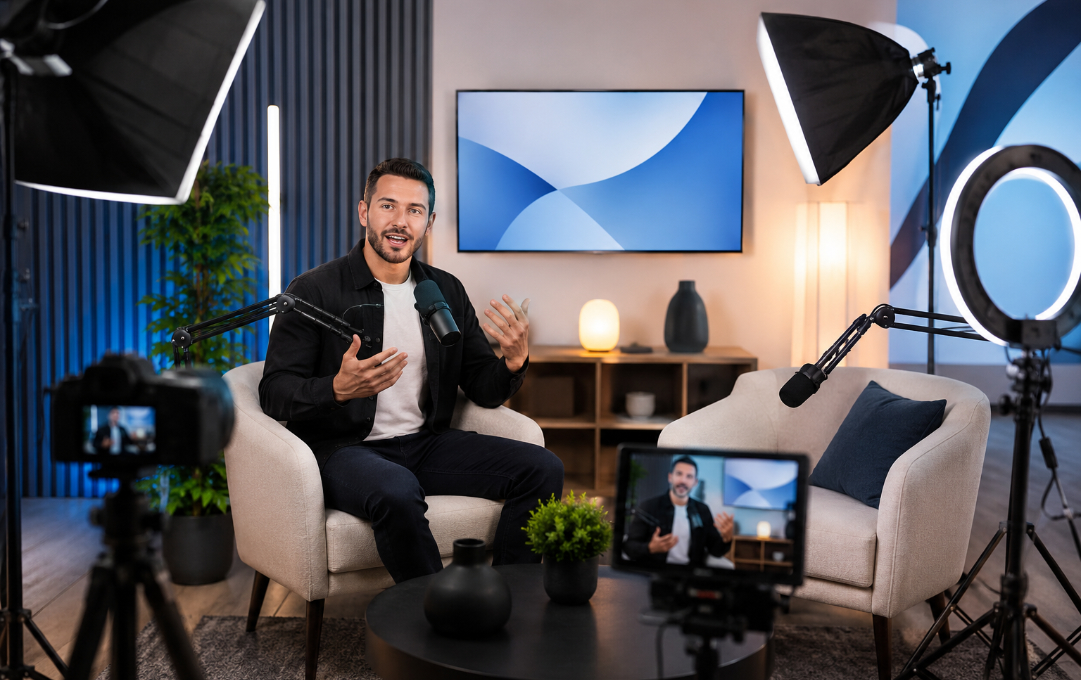
A solo podcast format is a monologue where it is just you and the microphone. It is one of the most popular choices for people who want to share their personal expertise. This style gives you the complete creative control over every word and minute. You don't have to worry about anyone else’s schedule or technical issues. It is the most efficient way to record because you can do it whenever you feel inspired.
Many creators use this style to establish themselves as an authority in a specific niche. The challenge is keeping the energy high when you are talking alone for a long time. You have to be engaging and have a clear plan for what you want to say. The power of long form content is seen when a host builds a deep bond with their listeners over time. This format is perfect for deep dives into complex topics.
Panel or co-hosted podcasts
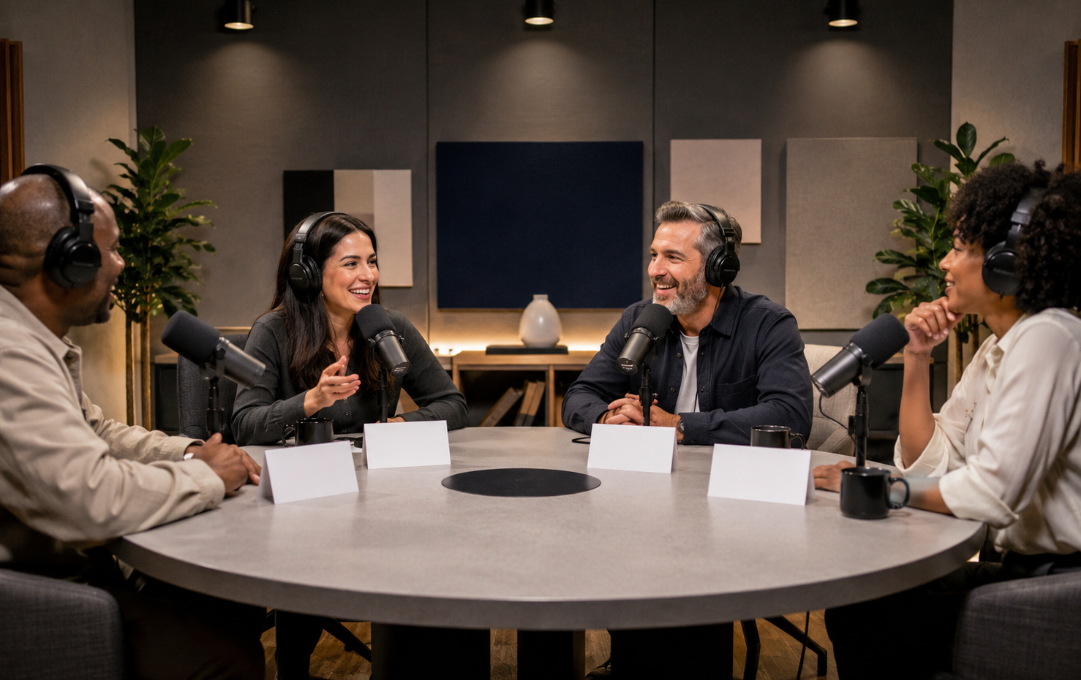
Panel podcasts involve a group of people discussing a topic together in a lively manner. This basic podcast format feels like a “wider perspective” kind of an experience for the listener. It is usually full of energy, laughter and sometimes friendly debates between different hosts. Having a co-host or a panel reduces the pressure on any single person to carry the show.
The conversation flows naturally because there are multiple voices to keep the momentum going. However, recording multiple people can be a bit harder from a technical standpoint. You need to make sure everyone has a good microphone and that people don't talk over each other. It is also important to have a moderator who keeps the discussion on the right track. This format is wonderful for building a sense of community and making listeners feel like part of a friend group.
Narrative and storytelling podcasts
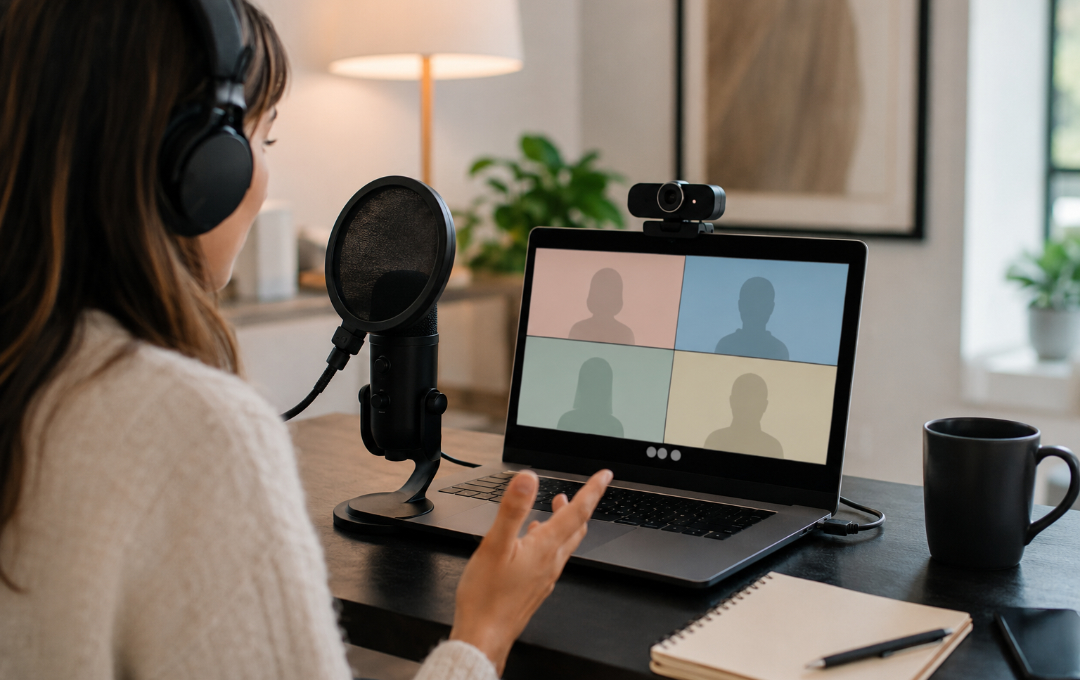
Narrative podcasts are like movies because they focus on a scripted story. This style uses high-quality sound effects, music and voice acting to create a rich world. It can be a true-crime investigation, a historical deep dive or even a fictional drama. These shows are often highly “binge-worthy” because people want to know what happens in the next chapter.
The podcast format and structure for narrative shows are much more complex than a simple chat. You need to spend a lot of time writing scripts and editing the audio to perfection. While it takes more work, the emotional impact on the listener can be truly massive. It is the ideal format for people who love the art of storytelling and audio production. These shows often have high production value and feel professional as well as polished.
Educational or how-to podcasts
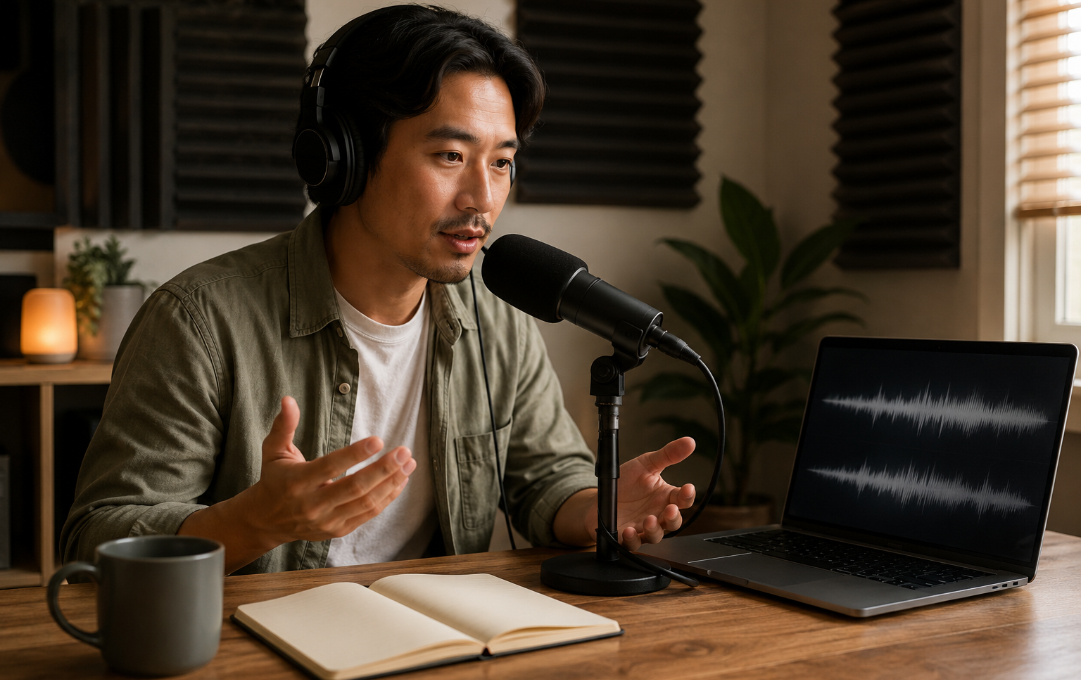
Educational podcasts are designed to teach the audience a specific skill or a new subject. They are highly popular in 2026 as people look for ways to learn while they are on the go. These shows often follow a step-by-step approach to make complex information extremely easy to understand.
You can use this style to help your audience master a new language, learn about finance or understand science etc. It is important to provide clear takeaways and actionable advice at the end of every episode. This makes your show a valuable resource that people will want to save and revisit later.
Hybrid and experimental podcasts
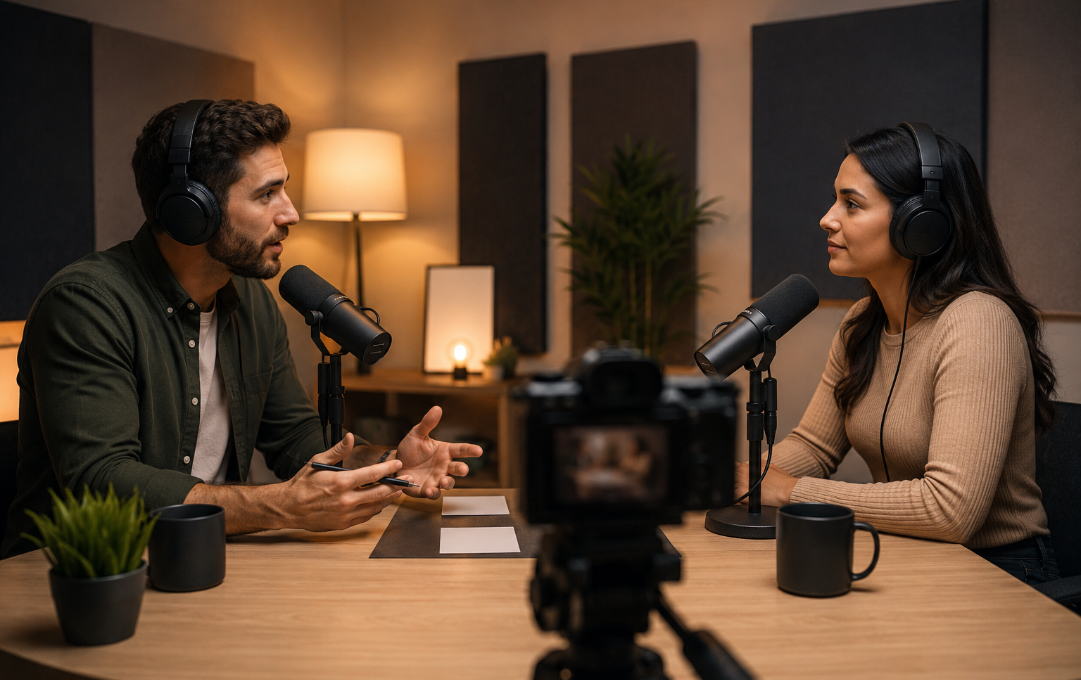
Hybrid podcasts mix different styles to create something totally unique and fresh for the audience. For example, you might start with a solo segment and then move into a short interview. Experimental podcasts try new things like interactive Q&As or live-streamed episodes with a real audience. This flexibility allows you to keep your content exciting and adapt to what your listeners like most.
Hybrid format is great for someone who is looking to become an excellent social media content creator. It’s for someone who wants to stand out. Don't be afraid to break the rules and try a new combination that fits your specific personality.
Conclusion
Finding your style is an evolving process that takes time, patience and lots of practice. You might start with one format and realize that another one feels much more natural. The most important thing is to be consistent and always put your audience’s experience first.
In 2026, listeners value honesty and a clear voice above everything else in a show. As you grow, your format might change and that is a healthy part of your journey. Keep experimenting until you find the perfect rhythm that makes you excited to press record every week.