
The world of social media moves fast and staying ahead means you must understand Instagram algorithm shifts daily. In 2026, the platform has evolved from a simple photo app into a highly intelligent recommendation engine. You might have noticed that your feed looks different than it did a year ago. This is because all the "Instagram algorithm explained" videos are no longer just about who you follow. It is now a complex AI system that predicts exactly what you want to see next.
Whether you are a business owner or a new creator, learning how the algorithm of Instagram picks its winners is the secret to growth. This guide will break down the latest changes and show you how to work with the Instagram algorithm rather than against it. Let us explore how to turn these technical rules into your biggest creative advantage.
How does the algorithm work today?
In 2026, Instagram is not just using one single formula. Instead, it is using several different algorithms for feeds, stories, explore and reels. Every part of the app has a specific goal. Sections like feed and stories are designed to show you content from your friends and family. Meanwhile, sections like explore and reels focus on discovery and new creators.
The AI looks at thousands of "signs" every second. It checks your previous likes, whom do you message the most and even how long you look at a specific image. It also analyses the content itself like the objects in a photo or the words in a video. The goal is to keep you on the app as long as possible. If a post keeps users engaged, the system will push it to a much larger audience instantly.
What kind of content Instagram promotes?

Instagram has officially become a "video-first" platform. Short-form vertical videos or reels are the primary way the app suggests your profile to people who don't follow you yet. The algorithm specifically rewards original content that is filmed within the app. It can now detect if you are reposting a video from another platform with a watermark and will actively hide it.
Apart from that, the app also promotes "saveable" content like educational carousels and infographics. In simpler terms, Instagram wants to see "depth" in your posts. This means it wants to boost content that tells a story, teaches a skill or sparks a meaningful conversation instead of basic content.
Engagement signs that matter
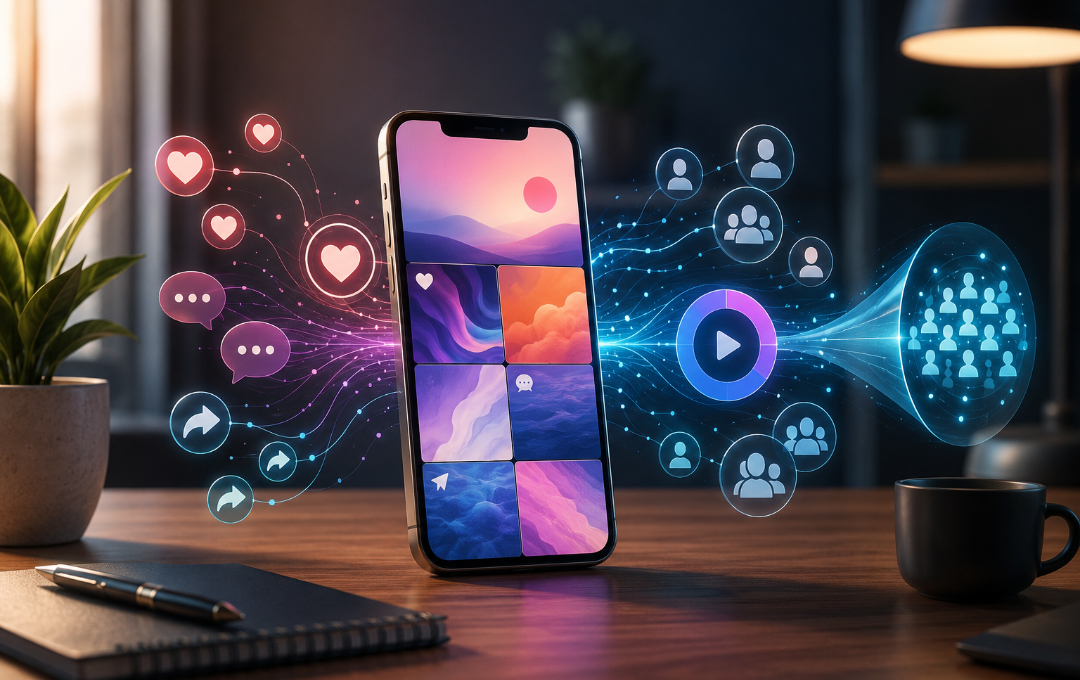
Gone are the days when a simple "like" was the most important metric. In 2026, the algorithm values "deeper engagement" much more. The most powerful metric is a share, especially when someone sends your post to a friend via "direct message." This tells Instagram that your content is highly relevant. The second most important sign is a save. When a user saves your post, it shows AI that your content consists of long-term value. Apart from that, watch time is also important. If people re-watch your reel, the algorithm already considers it a "hit." Comments still matter, but only if they are more than just a single emoji.
The role of hashtags in 2026
Hashtags have undergone a massive transformation this year. They are no longer "growth hacks" that bring in thousands of random views. Instead, they act as "filing labels" for the search engine. In 2026, using thirty hashtags is actually a mistake that can confuse the system. Instagram now recommends using only 3 to 5 highly specific hashtags per post. These hashtags should focus on your niche and the specific topic of your content.
For example, instead of using #travel, you should use #soloitalytrip. This helps the AI tool categorize your post correctly for pages like "search" and "explore." Think of hashtags as keywords that help the right people find you when they look for solutions or inspiration. Quality and relevance have completely replaced quantity now.
Consistency and the time of posting
Being consistent is more important than being frequent. The algorithm rewards the accounts that have a predictable rhythm. This doesn't mean you have to post every single day. If you can only manage three high-quality posts a week, that is better than five low-quality ones. Posting at the right time still matters because it gives your content an initial "engagement boost."
When your followers interact with your post in the first few minutes, it signals to the AI that the post is trending. Check your "insights" to see the time when your specific audience is most active. Usually, mid-mornings and early evenings on weekdays are the sweet spots. A steady schedule keeps your relationship with the algorithm healthy. It makes sure that your followers don't forget you.
Common mistakes to avoid
Many creators hit a growth plateau because they get comfortable with their old habits. To stay in the algorithm's list, avoid the following common errors:
- Buying followers: The AI is now smart enough to detect fake accounts and will shadow ban the profiles that use them.
- Low resolution: Blurry videos or low-quality audio will lead to reduced distribution in the reels section.
- Engagement bait: Asking people to "like this if you agree" can sometimes trigger spam filters.
- Neglecting stories: Stories are where you build relationships. Ignoring them will lower your "closeness score" with fans.
- Inconsistent niche: Posting about cooking one day and car racing the next confuses the categorization engine.
- Watermarks: Never post content that has a logo from a competing video app.
Conclusion
Understanding the Instagram algorithm is all about building trust with both AI and your audience. Focus on creating original and high-value content that encourages people to save and share. Don't worry too much about "beating" the system. Instead, aim to provide the most helpful or entertaining experience possible for your followers.
Starting influencer marketing on Instagram as a brand is a great way to leverage this algorithm by reaching new and highly targeted communities through trusted voices. When you align your goals with what the platform wants which is usually happy and engaged users, your growth happens naturally. Stay patient and keep experimenting.